Category Archives: Fulltime RVing

Working on a few projects and upgrades

Once we arrived back in Grand Rapids to be with Diana’s mom, we thought we would take the opportunity to get a few maintenance issues with the rig taken care of, along with a few upgrades we had wanted to accomplish.  Grand Rapids is Michigan’s second largest city, and everything we need to get the job done is here at our fingertips.

The first order of business was to get the leaking steering box on the F-350 replaced.  Turns out that there is a huge back order on the part, and no one seems to be able to get one.  Mark up at Uncle Rod’s in Elk Rapids even did a search for me, to no avail.  Of all the vehicles I’ve had over the years, this is my first steering box issue.  I am amazed that they are that hard to get, as was Mark.  The mechanic at Ford told me it wasn’t leaking too bad, and to just keep an eye on the power steering fluid.  Meanwhile, I’ll keep searching….
The next project was to install the skirting on the trailer again.  What took me a good 4 days to do last year was whittled down to 2 days this year.


Not only was it faster, but I also was able to do a better job of it.  Not what I would refer to as a ‘thing of beauty’, but it gets the job done in a big way.  The temperature sensor was at 45 degrees under there this morning, and the outdoor reading was at 22.  The electric heater underneath will not kick on until it reaches 41 degrees, which it has yet to do.

Inside the trailer, I put 3M window film on the windows.  While it doesn’t totally eliminate the condensation on the aluminum frames, it greatly reduces the moisture on the windows and cuts down on the drafts.

Once that was done, I was able to concentrate on two sets of improvements I had wanted to tackle:  new drawer glides and cabinet latches.  Having spent my career in the cabinet industry, I was impressed with the quality of the doors, frames and drawer boxes in our fifth wheel when we first saw it.  The  drawer glides were standard epoxy-coated glides, and I had always planned on upgrading them to full extension drawer glides.  I’m in the process of doing that now.  In conjunction with that, I am installing new cabinet latches.  A year ago, I purchased a couple of sets of Tot Loks.  There were several glowing reviews of them on the RV forums, so I thought I would try them out.  We had a few issues where our cabinet doors and drawers popped open as we were going down the highway, and these locks will prevent that from happening.


With the red lever flipped forward, the latch remains open for everyday use.


With the lever flipped back, the latch pops open.  When you close the door, it is closed and latched.  The only way to open it is….


…with the included magnet.  All you have to do is set the magnet near the location of the lock on the front of the door and you can hear it unlatch.  Open the door, flip the lever forward and you are good to go.  Nothing is visible from the outside.

With that being said, installation is a little tricky.  The latch requires a hole to be drilled in the back of the door that comes within 1/8″ of the front.  I am using a metal over-the-bit depth gauge on my drill bit that is set to 5/8″ deep, so I have confidence I won’t pop through the front.  The company that makes the Tot Lock has answered customer concerns about this by developing a new lock called the Safety 1st Magnetic Locking System that doesn’t require a deep hole to be drilled in the door…only the smaller pilot holes for the mounting screws.  Reviews seem to be as good as they were for the Tot Lock, without the installation complaints.  Though both were designed to keep children out of the cabinets in a home, they work great in keeping the contents of the cabinets from flying out while going down the road in an RV.  We haven’t road tested them yet, but I’m not able to open the door by pulling hard on the knob.  I’m sure they will work well for us.

A Time For Mom

I thought I’d write a quick update to let everyone know what our winter plans are.  We came back to Grand Rapids for the month of November, hoping to find an opportunity to head to Florida for the winter.  That all hinged on our assessment of Diana’s mom’s health.  Not long after our arrival, she took a turn for the worse. It became obvious that we needed to be here.  Mom is now on hospice, and even though she is a fighter, her health is declining.  But beyond that, we just want to be with her.  She lights up when she sees us, as do we when we are with her.  It’s a tough time in the circle of life, but also a very sacred time.

So beginning tomorrow, the skirting goes back on the trailer, as we prepare to face another West Michigan winter.  We are supposed to get measurable snow here on Saturday.  I am going to find myself referring to my own blog posts from last winter and taking my own advice!    I sure hope it’s good advice! 🙂   If I come up with any new ideas, I’ll be sure to pass them along.  We will be posting from warmer winter locales in due time.  For now, it’s Mom’s time and turf…and that is a pretty special place to be.

  
Diana and her mom on Mom’s 80th birthday last April. 

Rail Trails of Grand Rapids, Michigan

On November 1, we relocated back to Grand Rapids, Michigan to be near Diana’s mom.  We are evaluating the situation and trying to make the best decision regarding where to spend the winter.

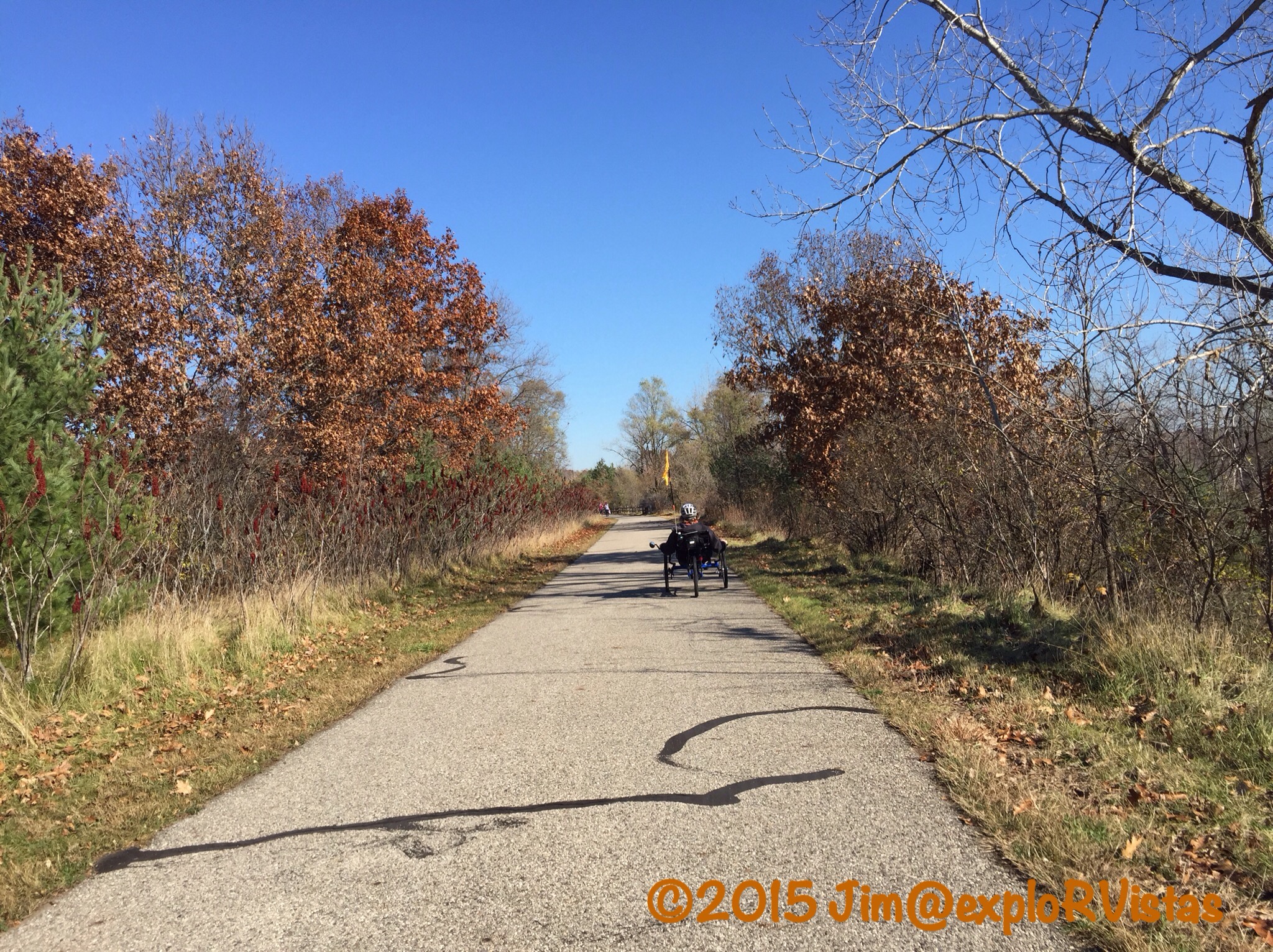
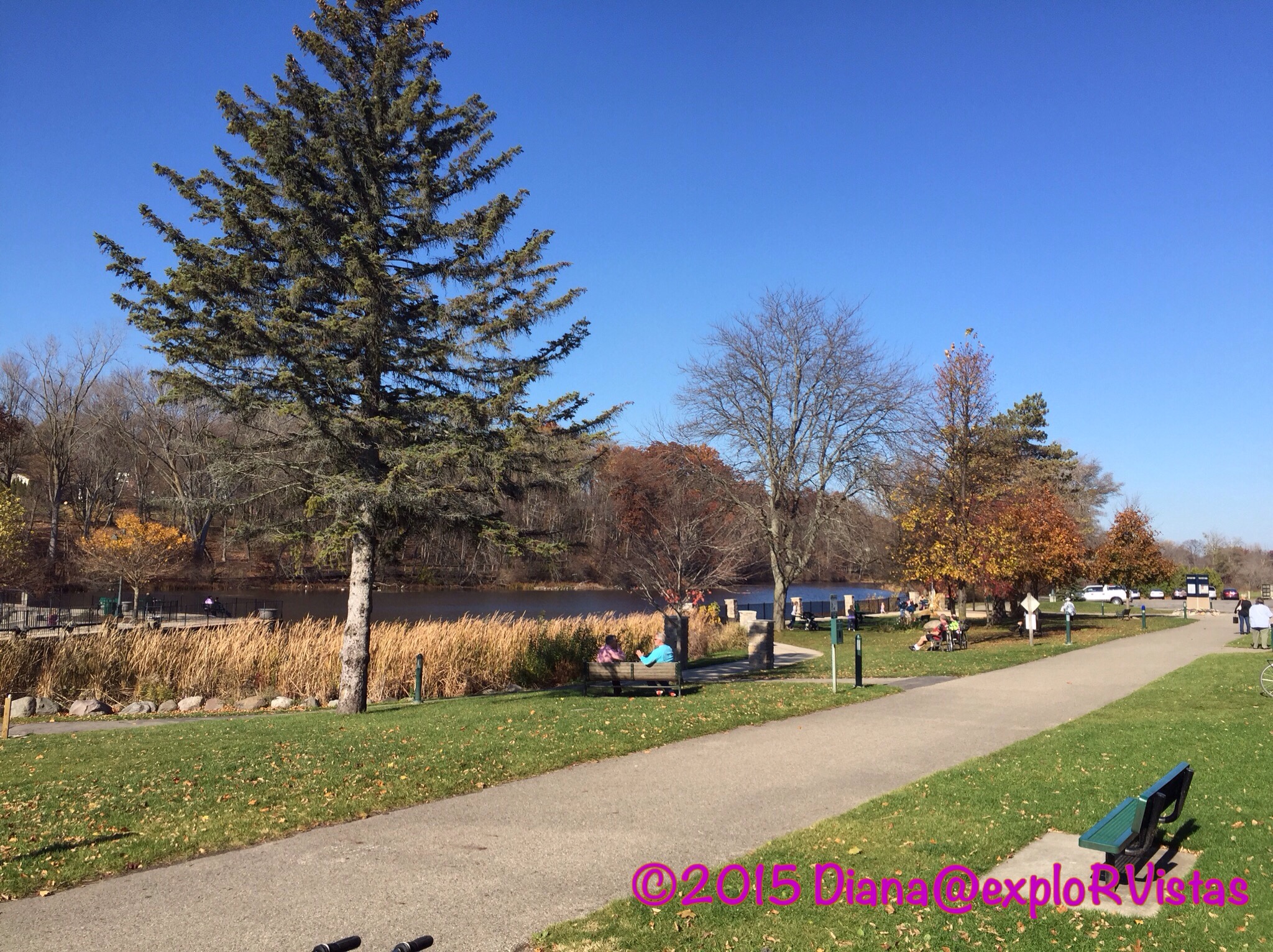
Our first week back, we have been fortunate to have had some great fall weather.  For three consecutive days, we had temperatures in the low 70’s, and we took advantage of the sunshine and checked out the local rail trails.  The Grand Rapids metro area is home to an extensive collection of recreational trails, and each year brings more miles of paths onto the region’s map.

  
The above image shows the trails marked in red.  As you can see, it is quite possible to ride a very long distance!  🙂

On Monday, November 2, we drove to the southern terminus of Kent Trails in Byron Center. This asphalt pathway was paved in 1992, and is the oldest rail trail in the region.  It runs on the rail bed of the defunct Grand Rapids and Indiana Railroad, which first ran on this portion of land in 1870.  At its peak, the railroad ran from Cincinnati, Ohio to Mackinaw City, Michigan, and was the route that Ernest Hemmingway took on his excursions to Northern Michigan from Chicago.

  
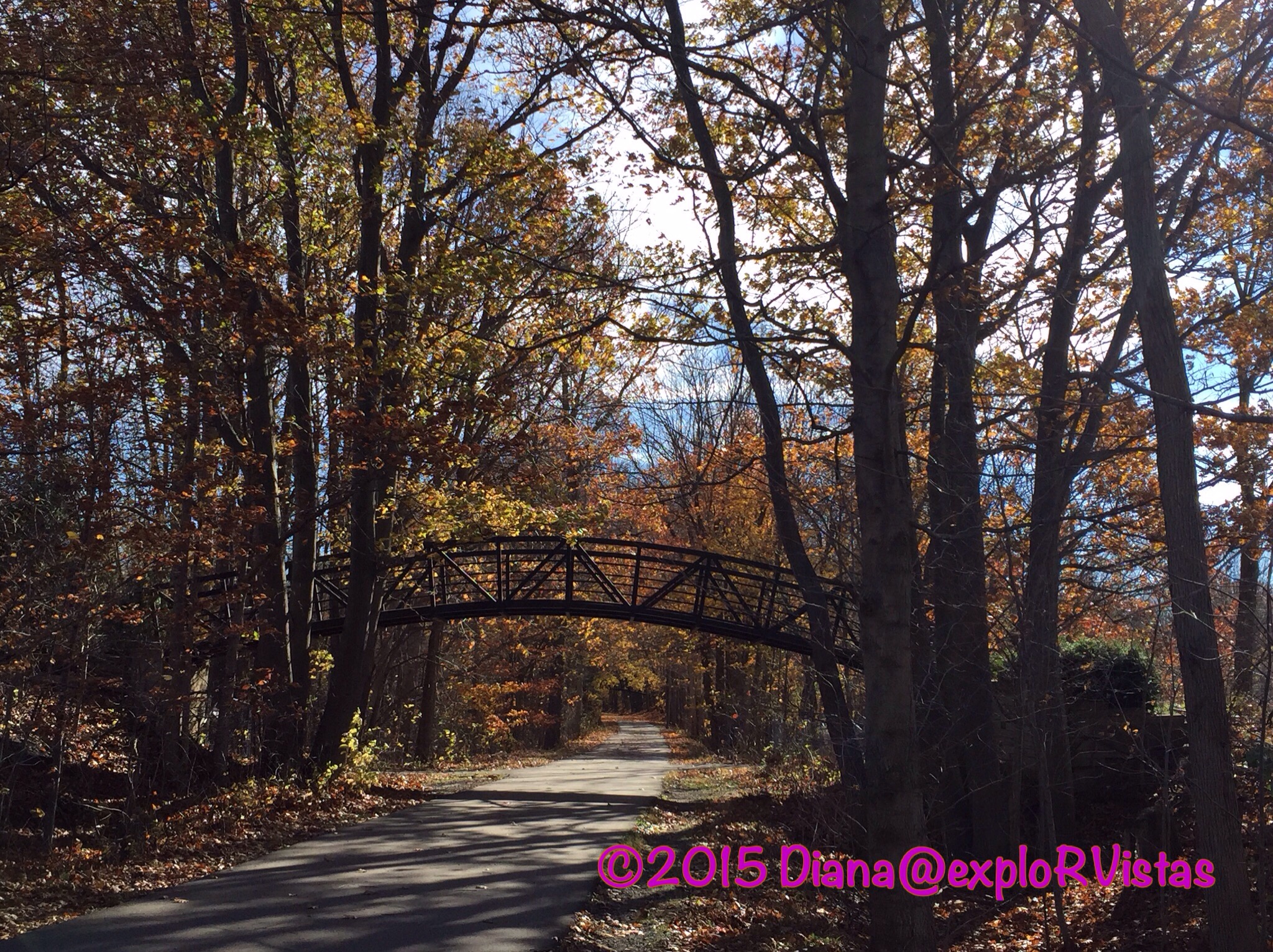
Coming north out of Byron Center, the trail runs between the two halves of Railside Golf Course.  There are two of these graceful golf cart bridges over the path.

  
A few miles north, the trail goes under M-6, otherwise known as the South Beltline or the Paul Henry Freeway.  We purposely are not political on this blog, but Mr. Henry’s legacy bears mentioning.  Paul Henry was a Republican U.S. Congressman who oversaw the same district that Gerald Ford held when he was a congressman.  From that office, Ford moved into the vice-presidency and then the presidency.  Mr. Henry was known to vote with his conscience, even if it meant that he went against the rest of his party and President Reagan, which was quite remarkable in such a heavily Republican district.  We had the pleasure of meeting him as he passed us at an outdoor cafe in Grand Rapids, and he was a true gentleman who was well respected on both sides of the aisle.  He ended up getting a brain tumor and passing at age 51.  During his tenure, this much needed highway was in the planning stages.

  
When we got to the five mile mark, we discovered that the trail passed by the new Cabela’s store in Grandville.  We stopped for a little bit, then headed back the five miles to our truck.

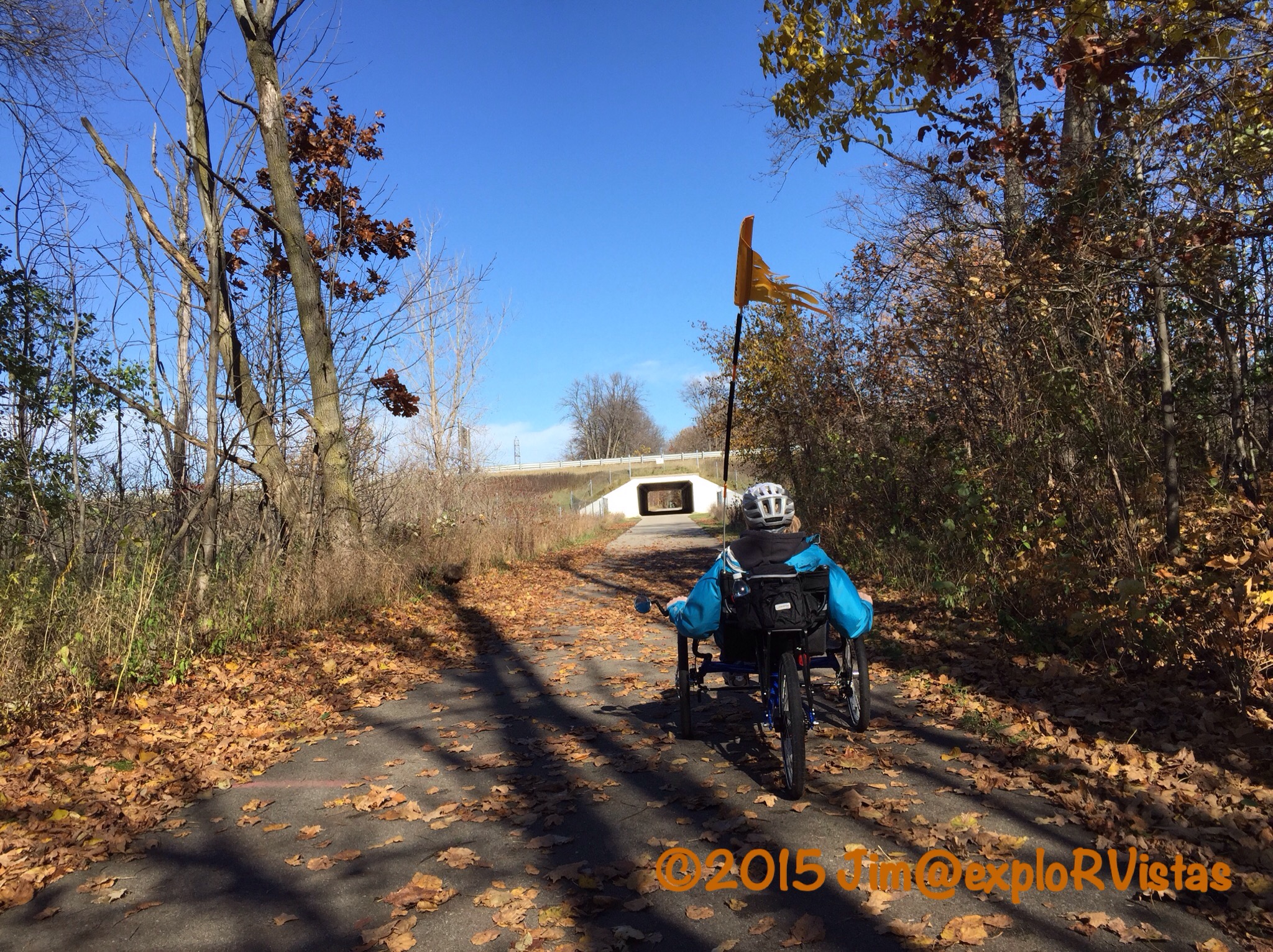
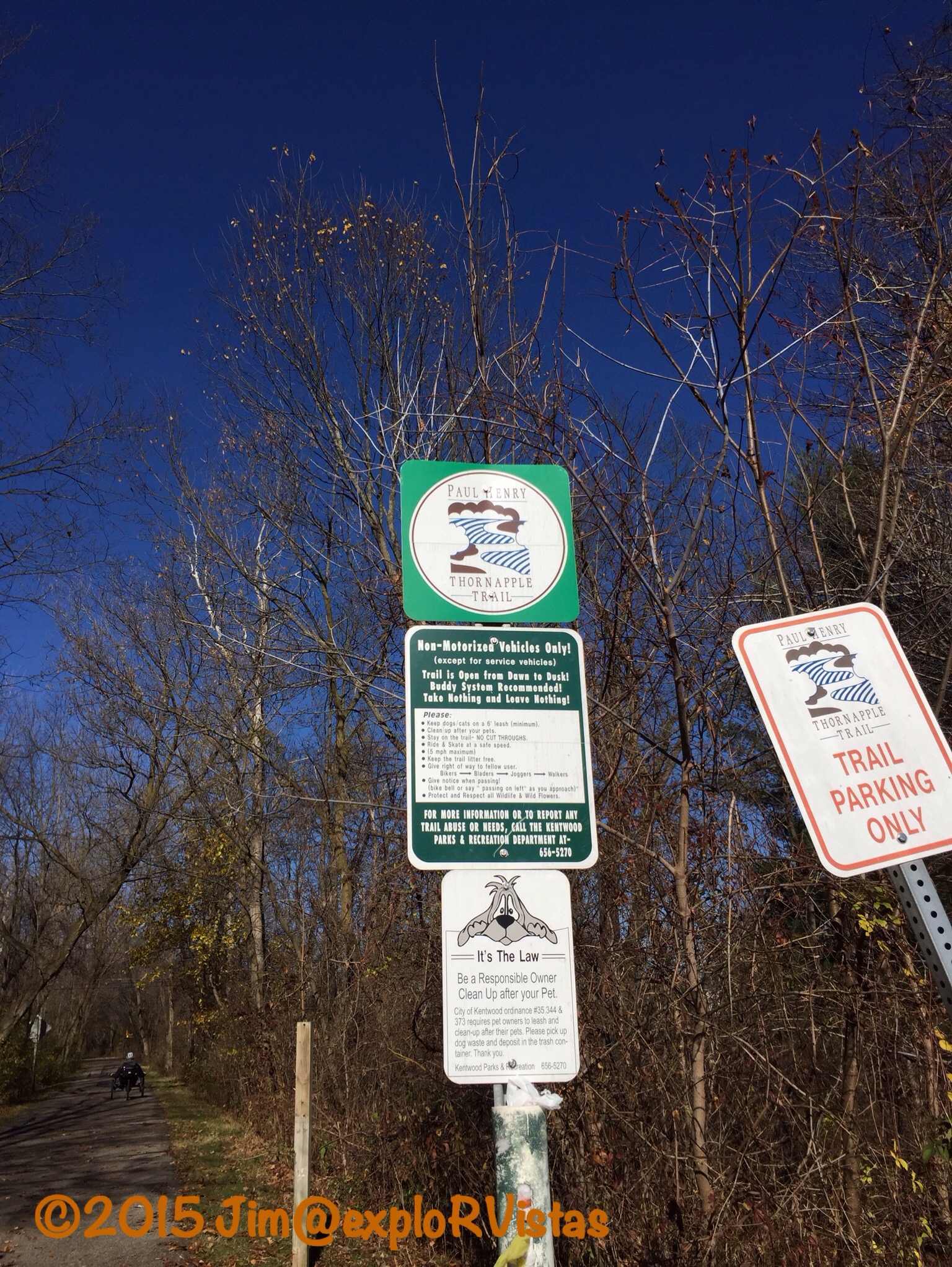
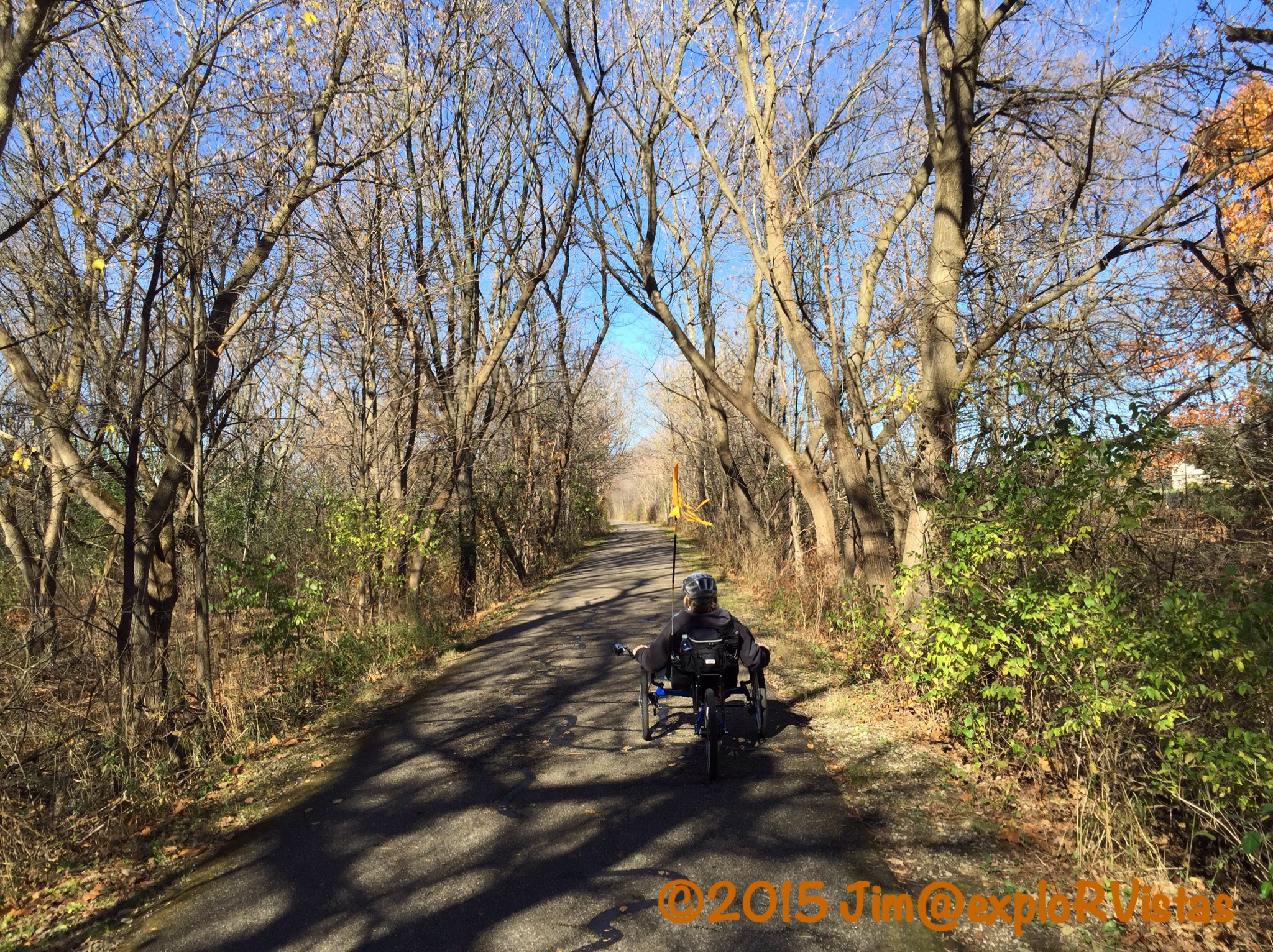
On Tuesday, we rode on the northern portion of the Paul Henry Thornapple Trail.  This particular trail is still under development, and runs along a former railroad between Grand Rapids and Vermontville to the southeast.  When complete, it will be 42 miles long.

  
We started on the outskirts of town and rode north into Kentwood, a southern suburb of Grand Rapids.

  
The trail was very nice.  We did have to cross a five lane portion of 52nd Street, but it was at a traffic light.  There was a nice city park with restrooms near that intersection.

  
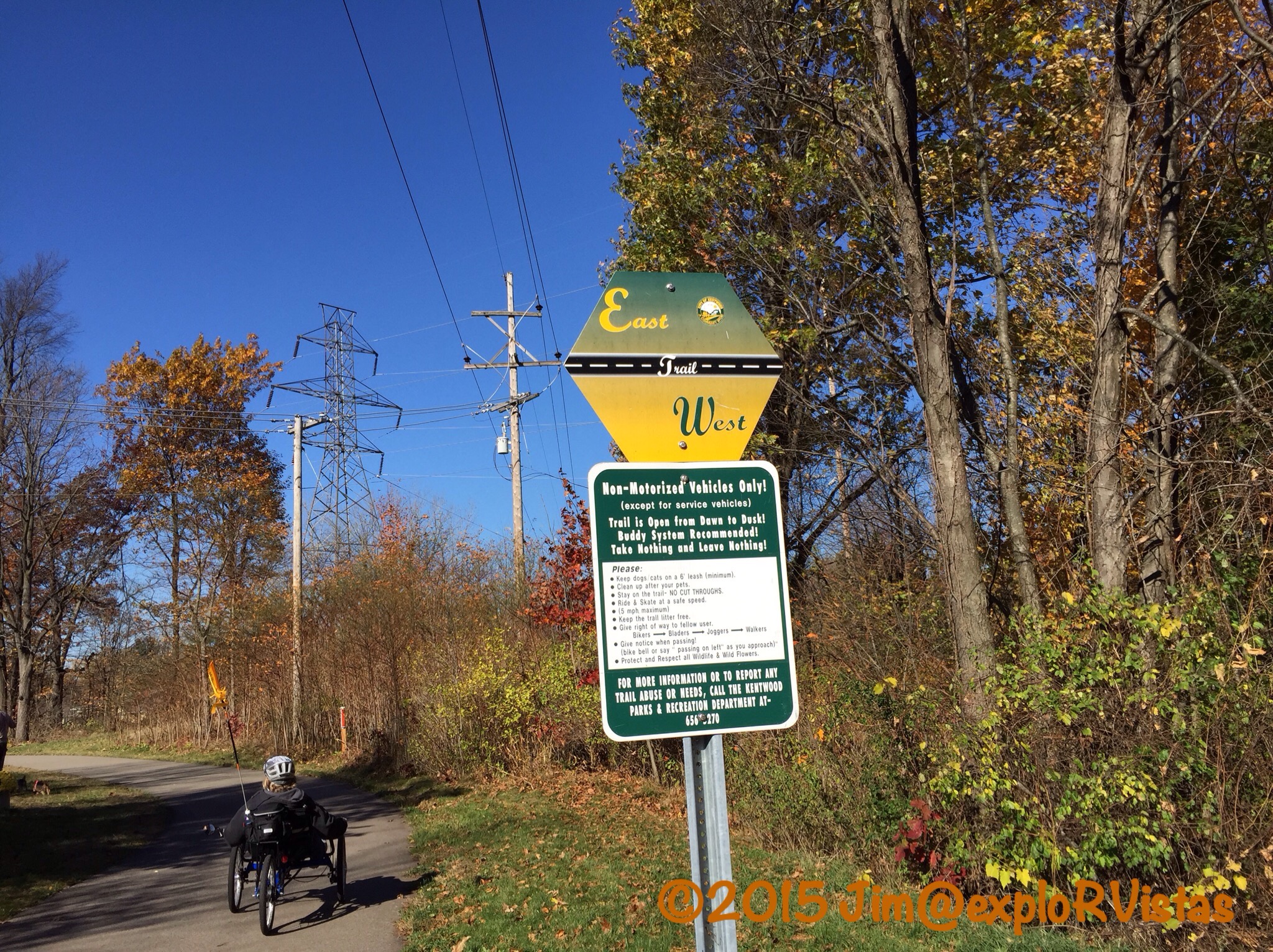
We came to an intersection with the East-West Trail and continued north on the Paul Henry Trail.  The neighborhood started to get a little too urban for our taste, so we backtracked to the East-West Trail and checked it out.

  
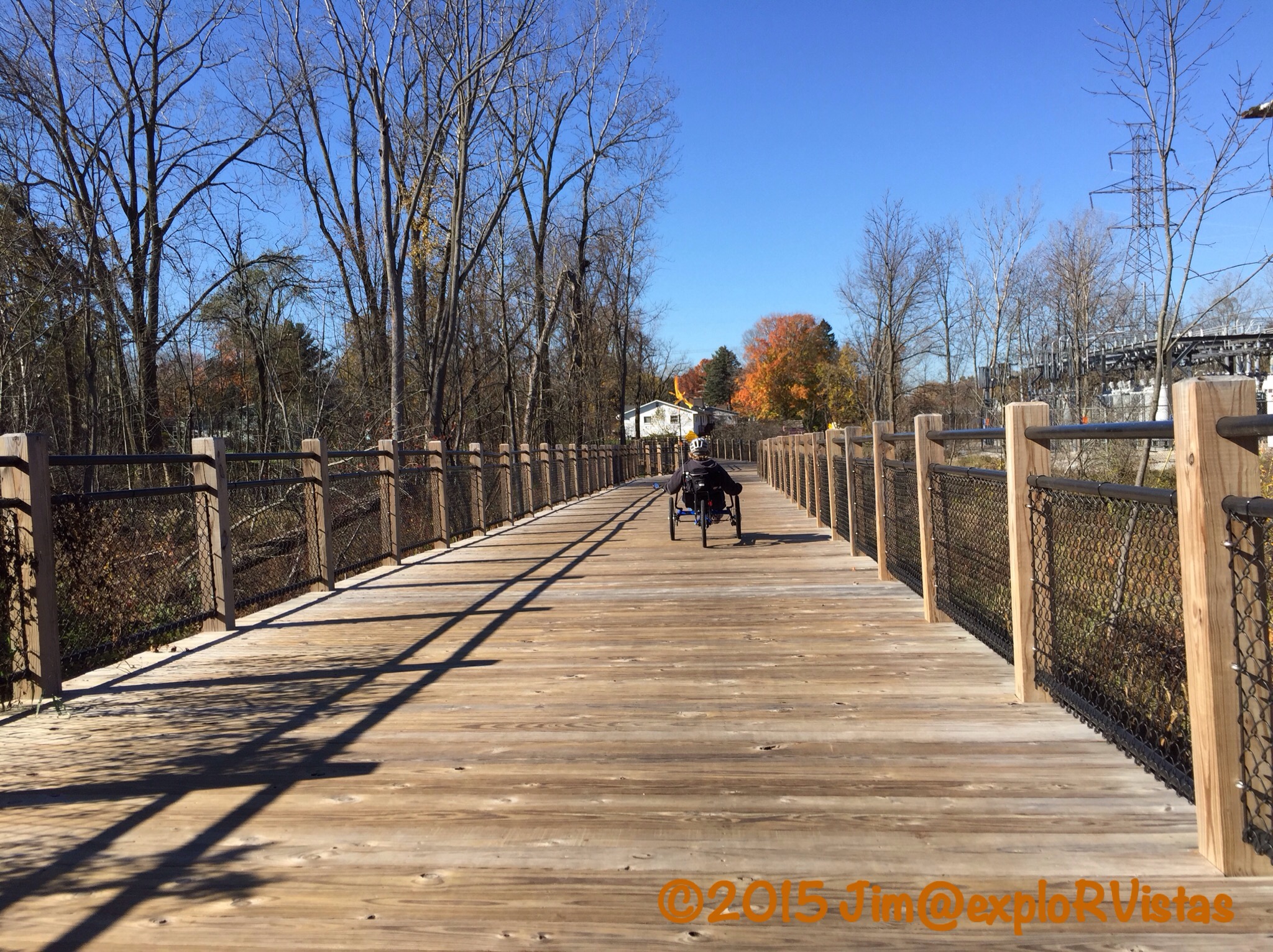
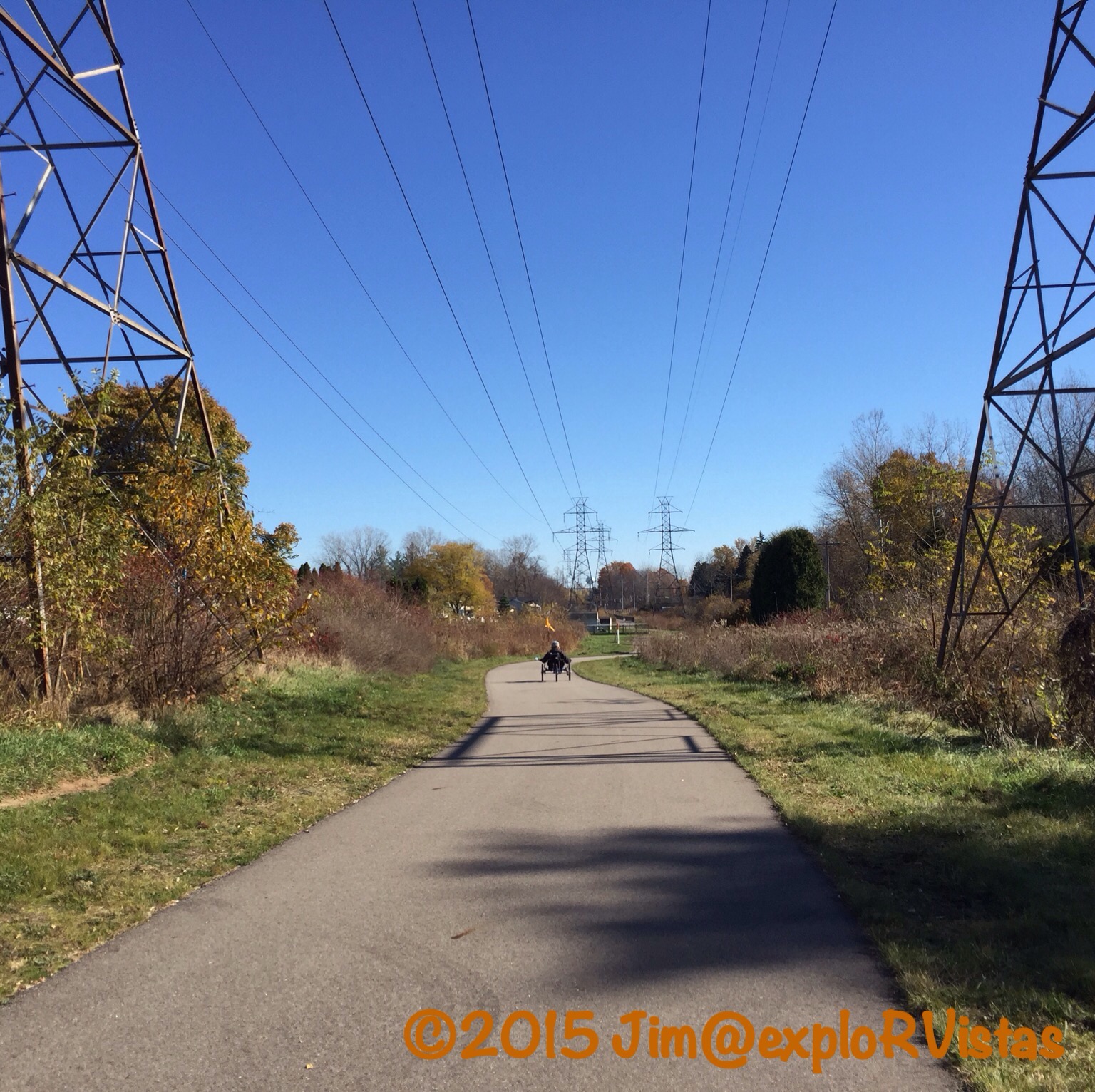
This is a fairly new route that runs along a series of high tension power lines through a Consumers Energy corridor.  It’s definitely a suburban route, and is a great use of the land.  This particular raised wooden path over a swamp was first rate!

  
Kudos to Consumers Energy for partnering with the community on this trail!

On Wednesday, we decided to check out one of the premiere trails in Michigan: The Fred Meijer White Pine Linear State Park.  This trail runs along the same Grand Rapids and Indiana corridor that Kent Trails runs on, only the White Pine is from Grand Rapids north to Cadillac…a distance of 92 miles.  

  
The southern 22 miles is asphalt, with the rest being a hopscotch of asphalt and crushed limestone.  We started out in the town of Belmont and headed north.


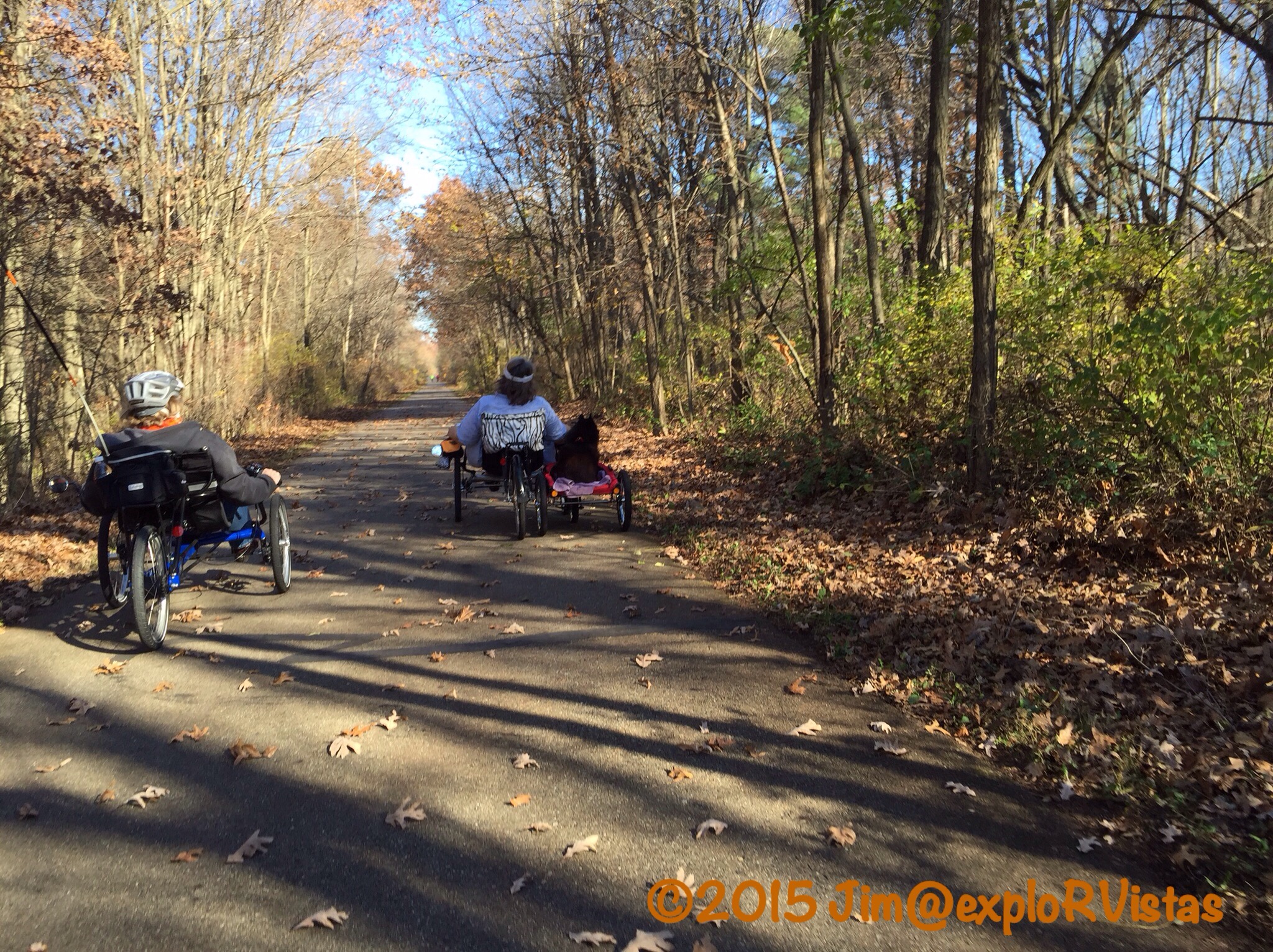
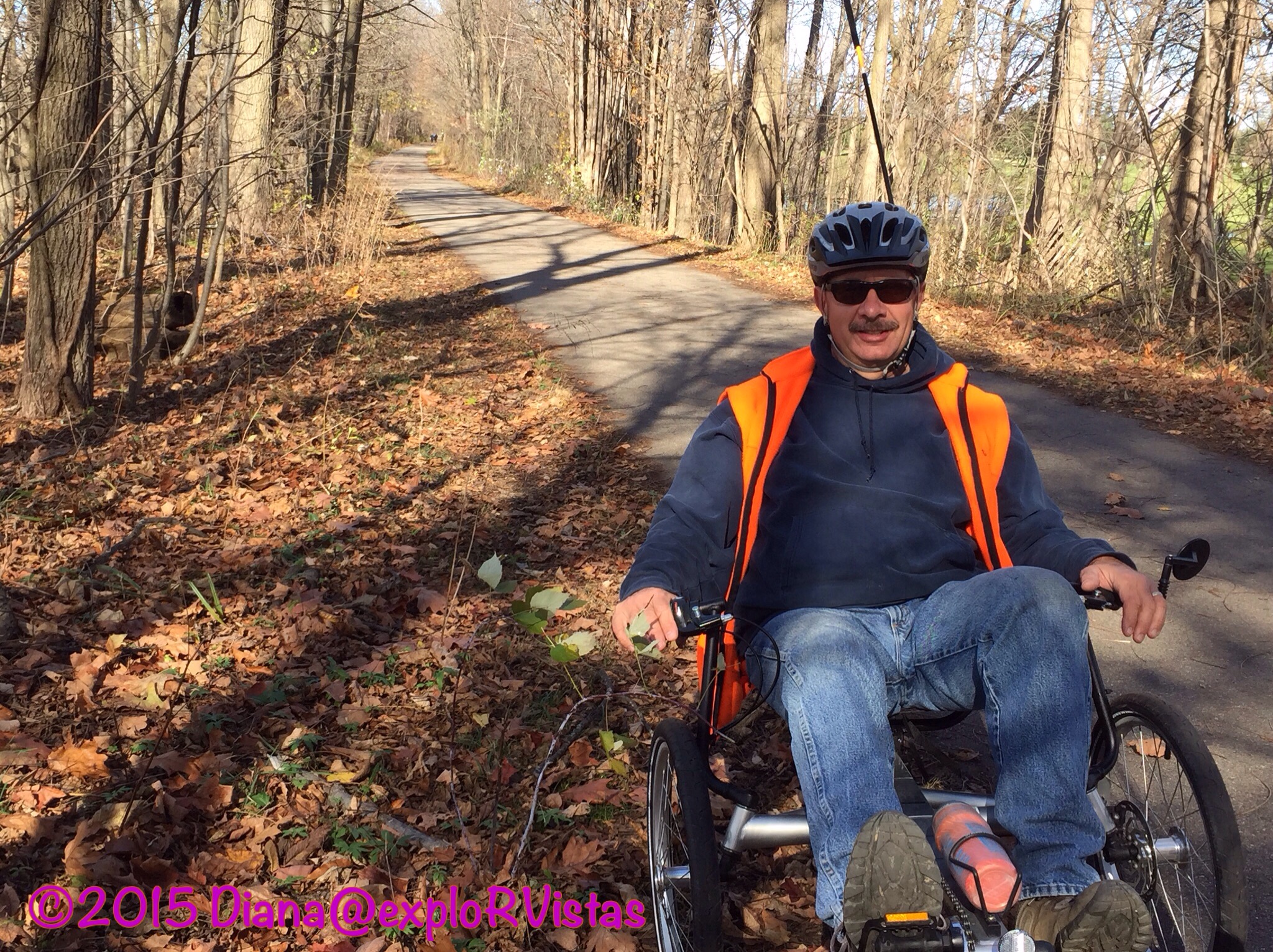
In the parking lot, we had met this fellow TerraTrike owner who constructed this sidecar for her doggie. That was one happy puppy!
  
The trail ran near the Rogue River, and there were several deep ravines.  This particular portion of the railroad grade dates back to 1867.

  
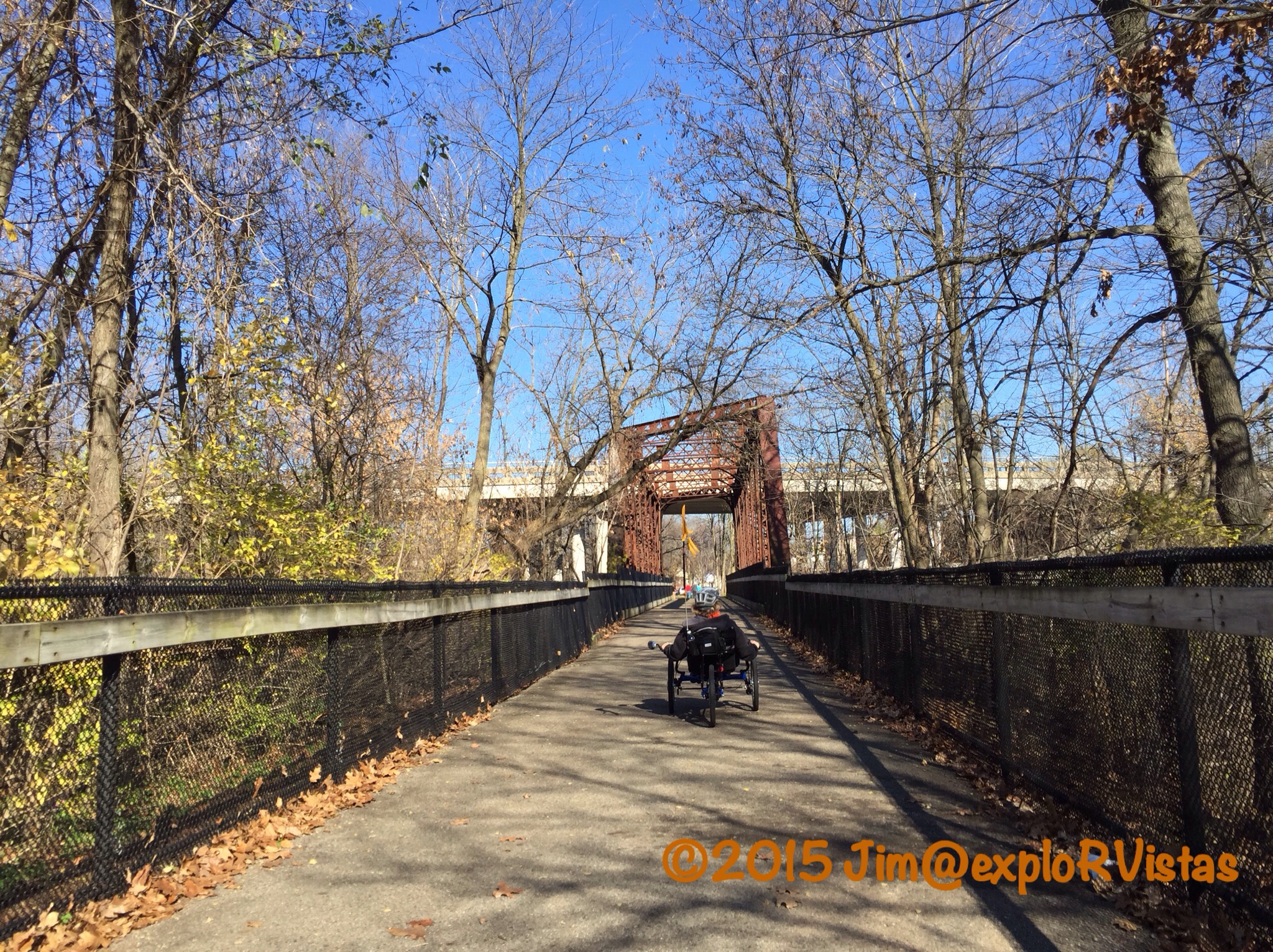
Just prior to passing under 10 Mile Road, the route crosses an old bridge over the river.

  
It then runs through the quaint town of Rockford.  Longtime readers may recall our post from this town last December called ‘A Small Town Christmas’.  On this beautiful November day, the town was packed with people enjoying the sunshine.

  
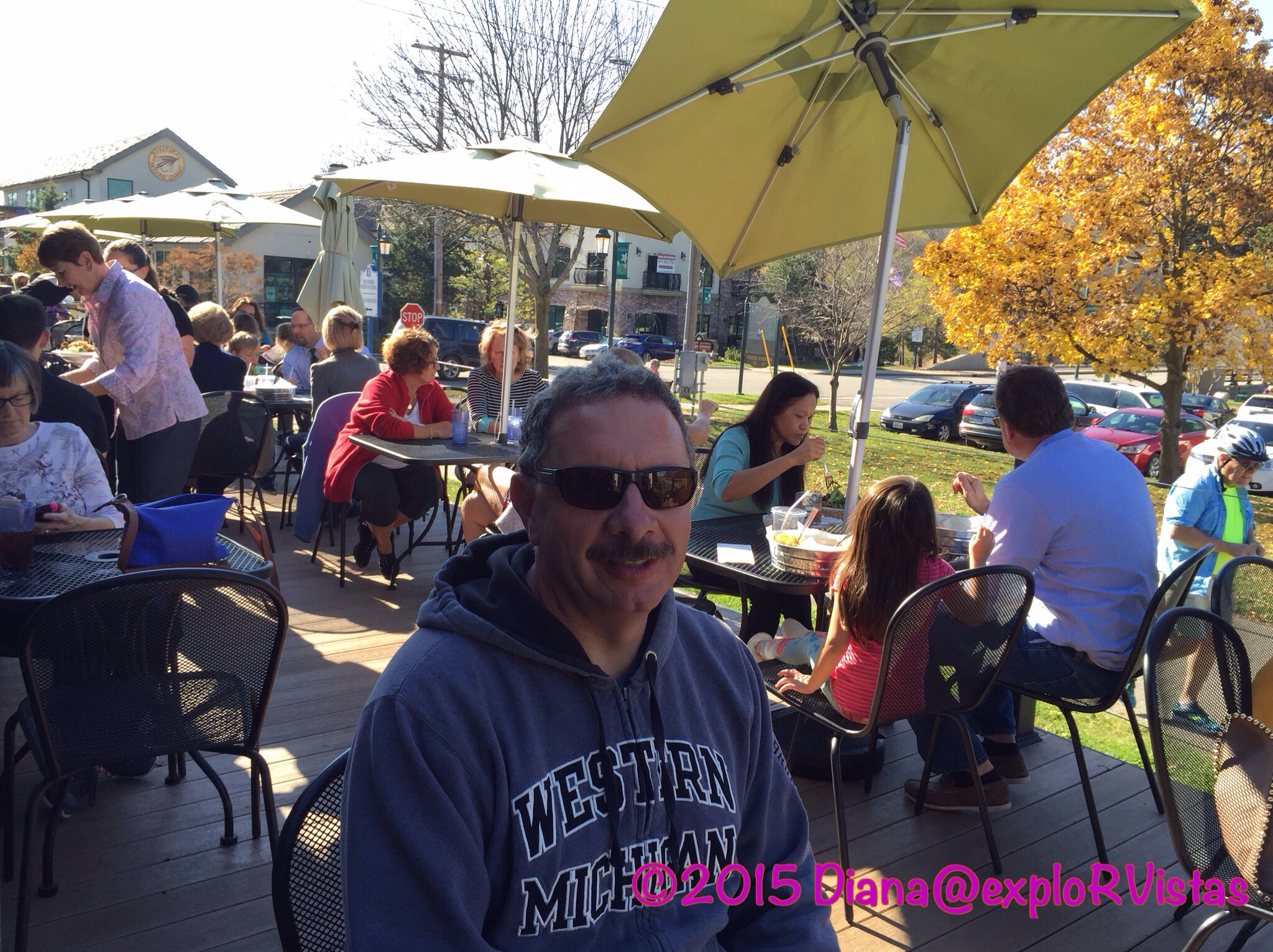
We had a trailside lunch at Ramona’s Table, which was delicious!

From there, we continued north for a bit.

  
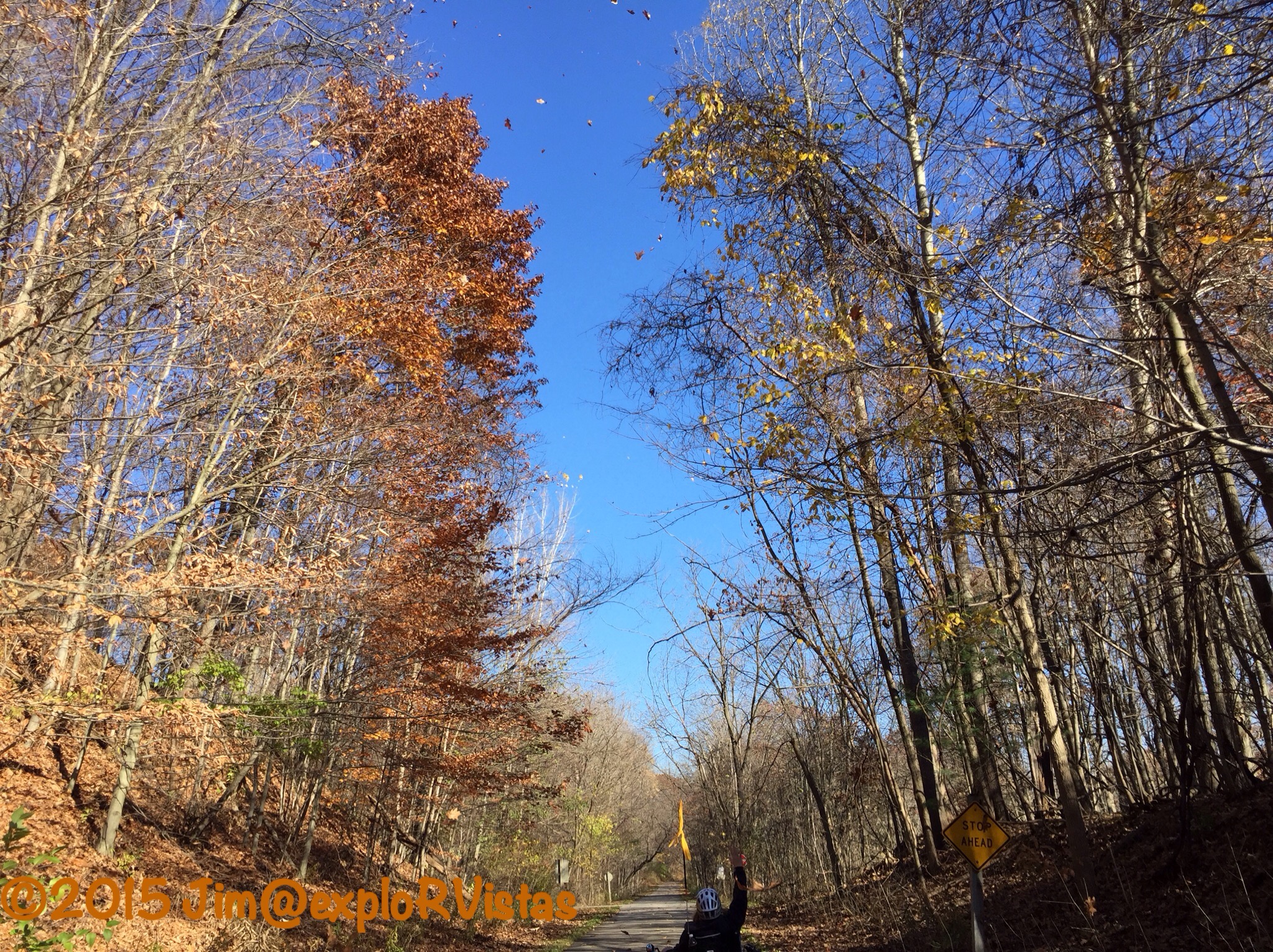
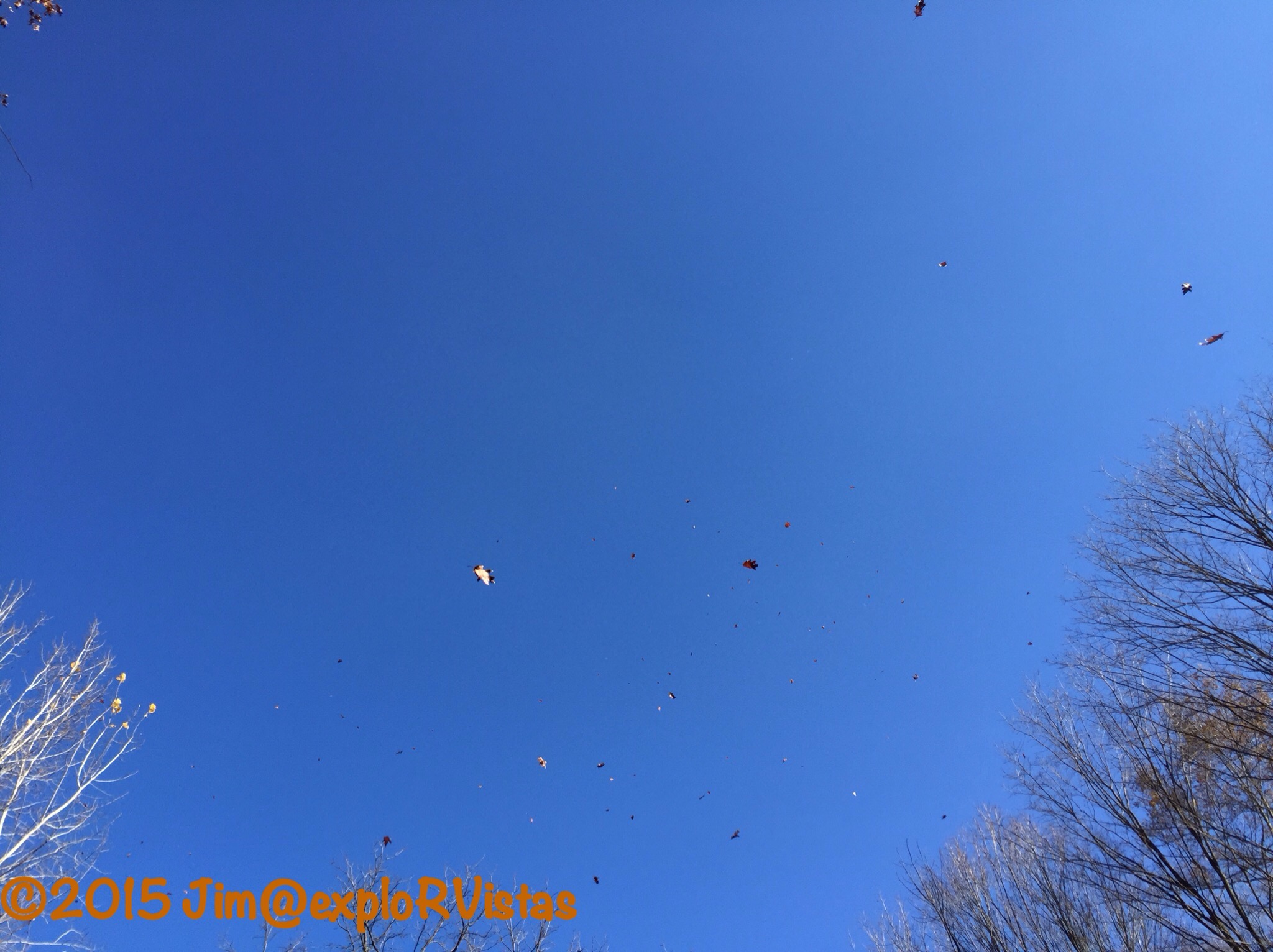
Pretty soon, Diana pointed skyward…


….and the leaves appeared to be raining out of the clear blue sky!
  
We ended up pedaling to 12 Mile Road, which was six miles from our starting point.  We headed back and called it a day.

These pathways are just a small sampling of what the area has to offer.  We look forward to exploring more of West Michigan’s trails in the future.

Houdek Dunes Natural Area

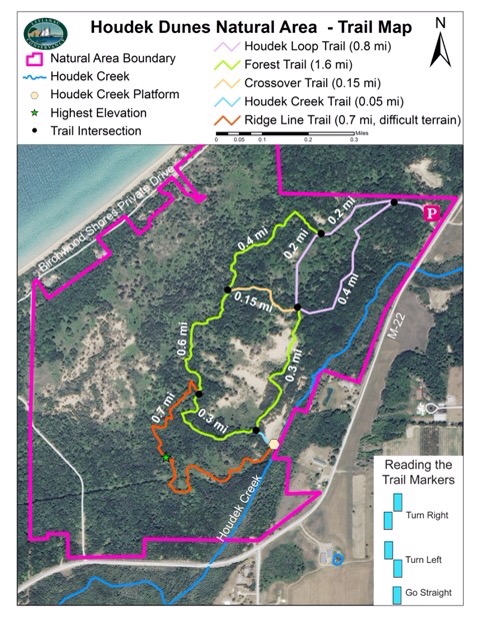
The last of the Leelanau Conservancy preserves we visited for the year was Houdek Dunes Naural Area.  We went there after completing our hike at Whaleback on October 19th.

  
Looking at the map, we hiked the entire outer loop, except the Ridgeline Trail, as we were pretty tired from the combined hikes.

At 370 acres, this property is one of the largest preserves owned by the conservancy.  A portion of the land was farmed over a century ago by Charles and Isabelle Houdek.  In 1998, the conservancy purchased it for $680,000 from a developer who intended to turn it into a golf course.  After visiting, we are so happy that did not happen.

  
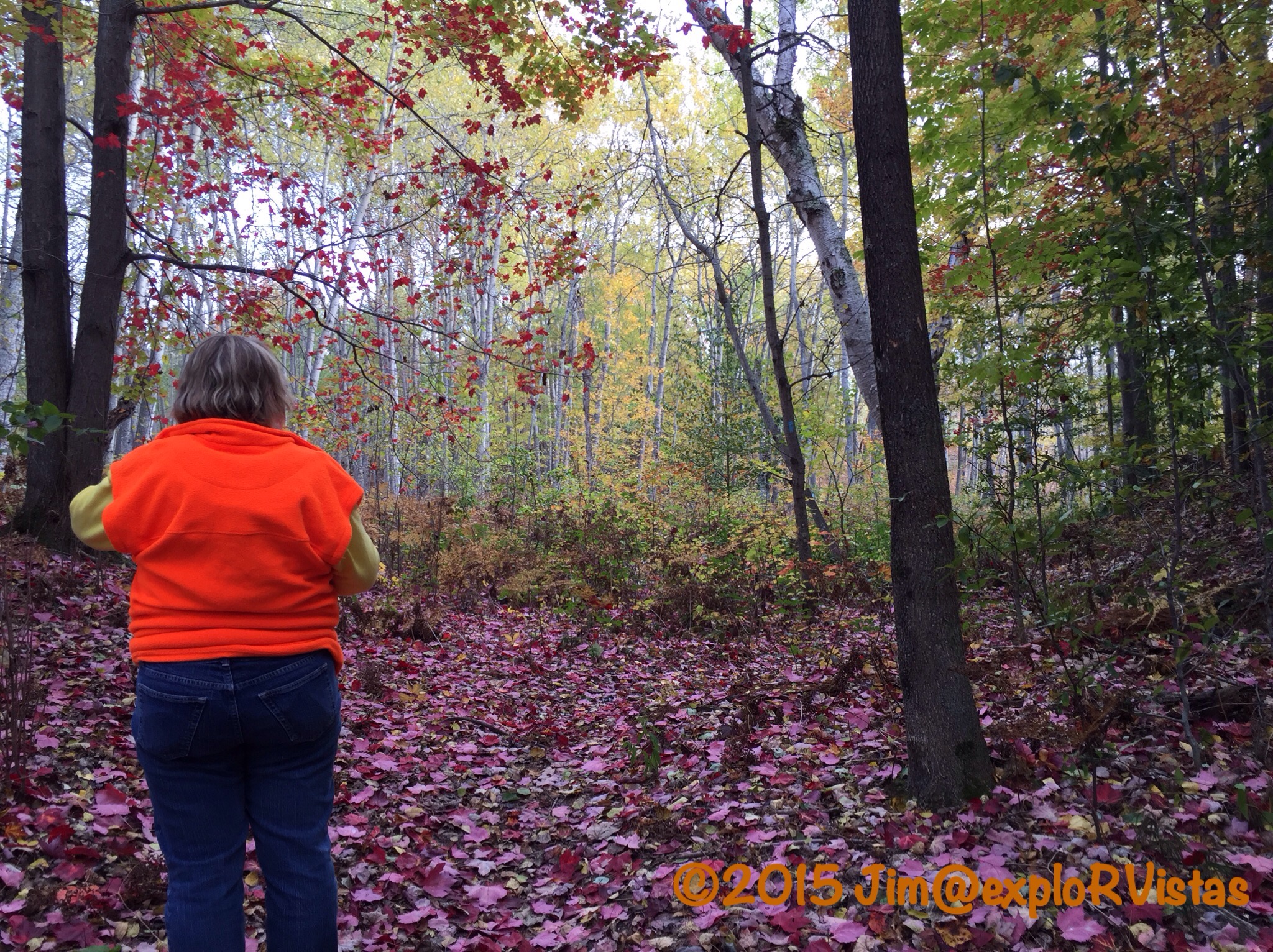
The first portion of the trail went through a heavily forested back dune.  This is the area behind the main slope of the dunes that face Lake Michigan.  With the carpet of fallen leaves, we had a hard time making out the trail in some spots.

  
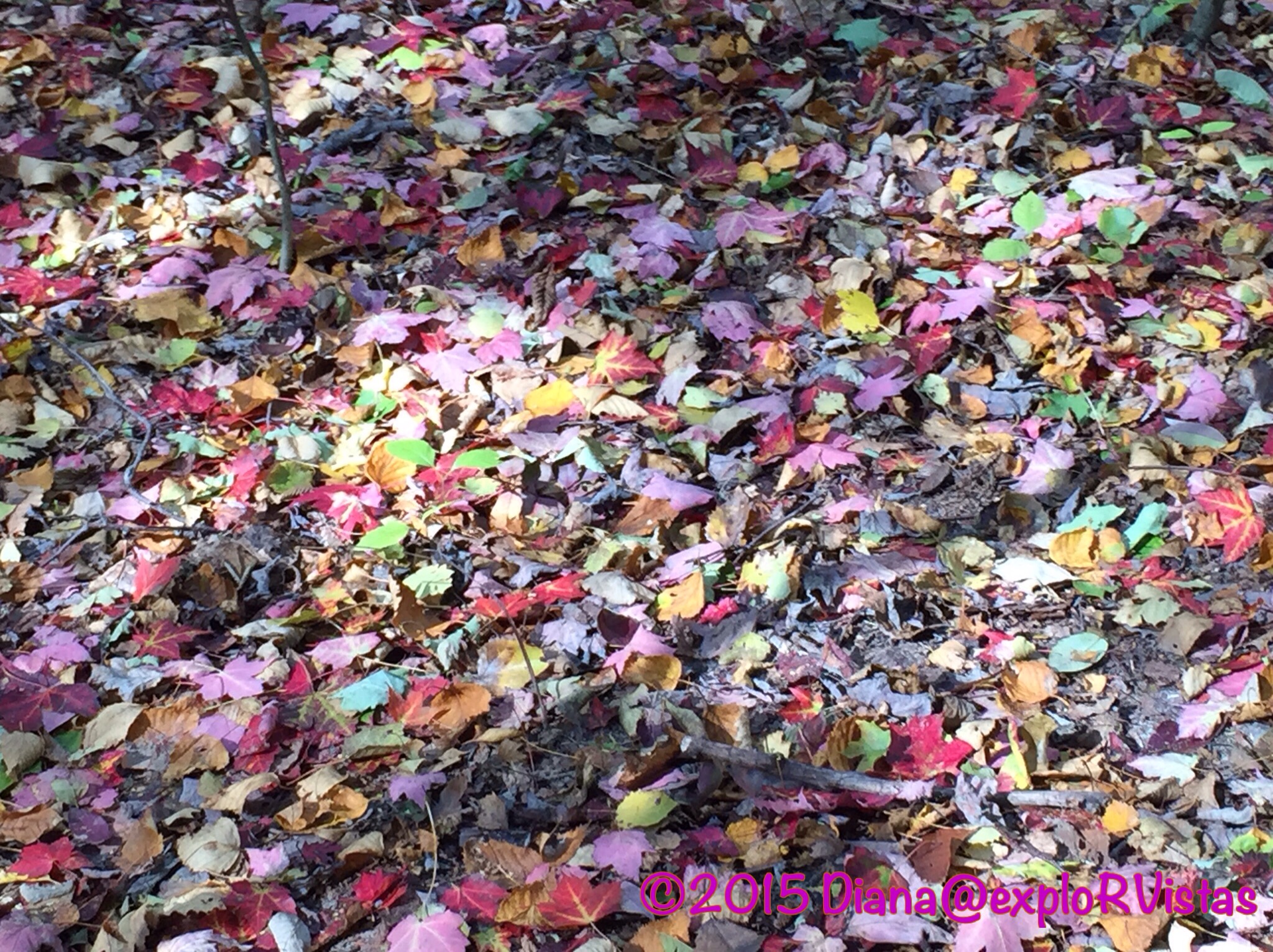
There was every color of the rainbow!

  
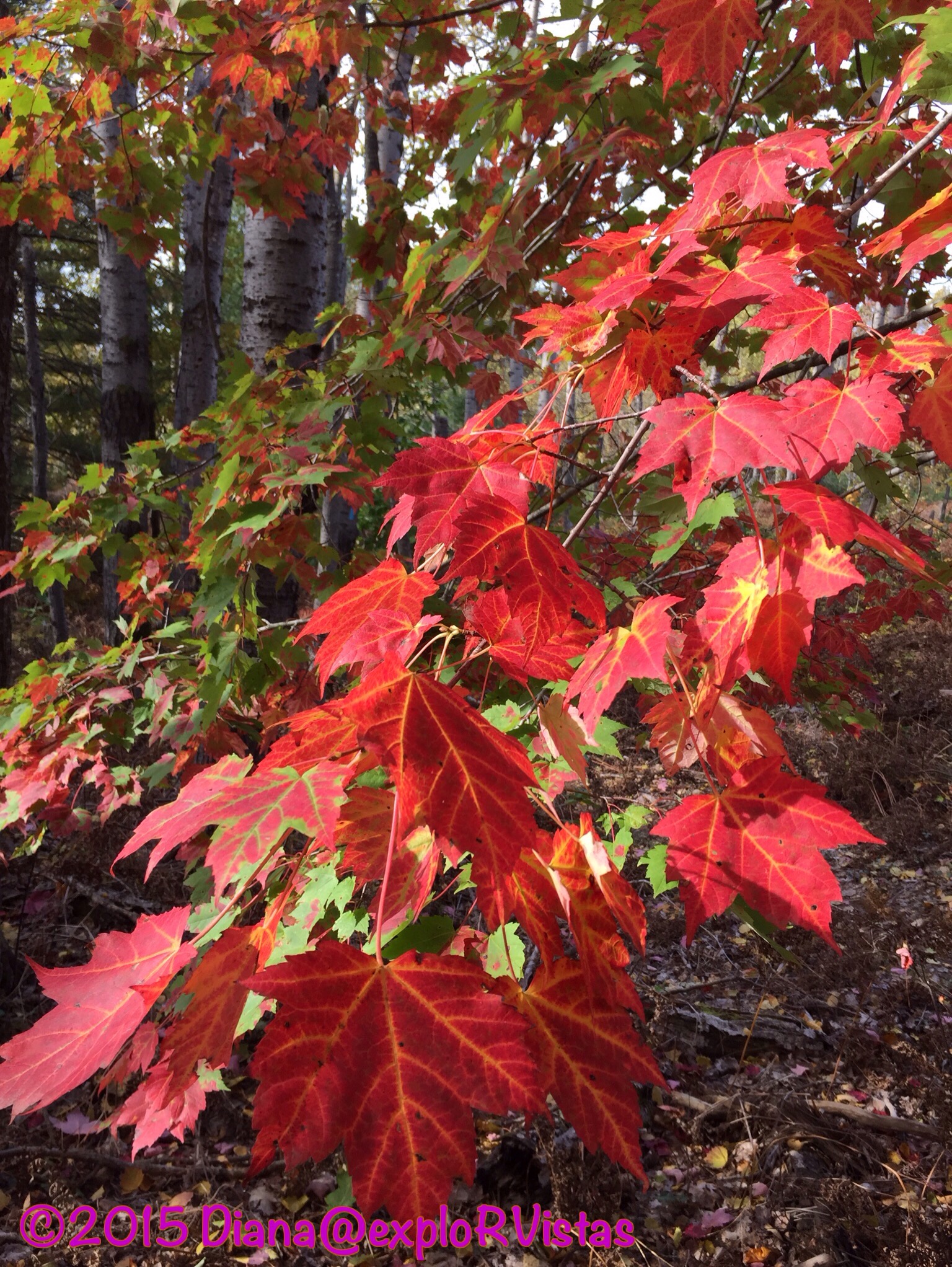
The maples were intense, with reds, yellows and greens.

  
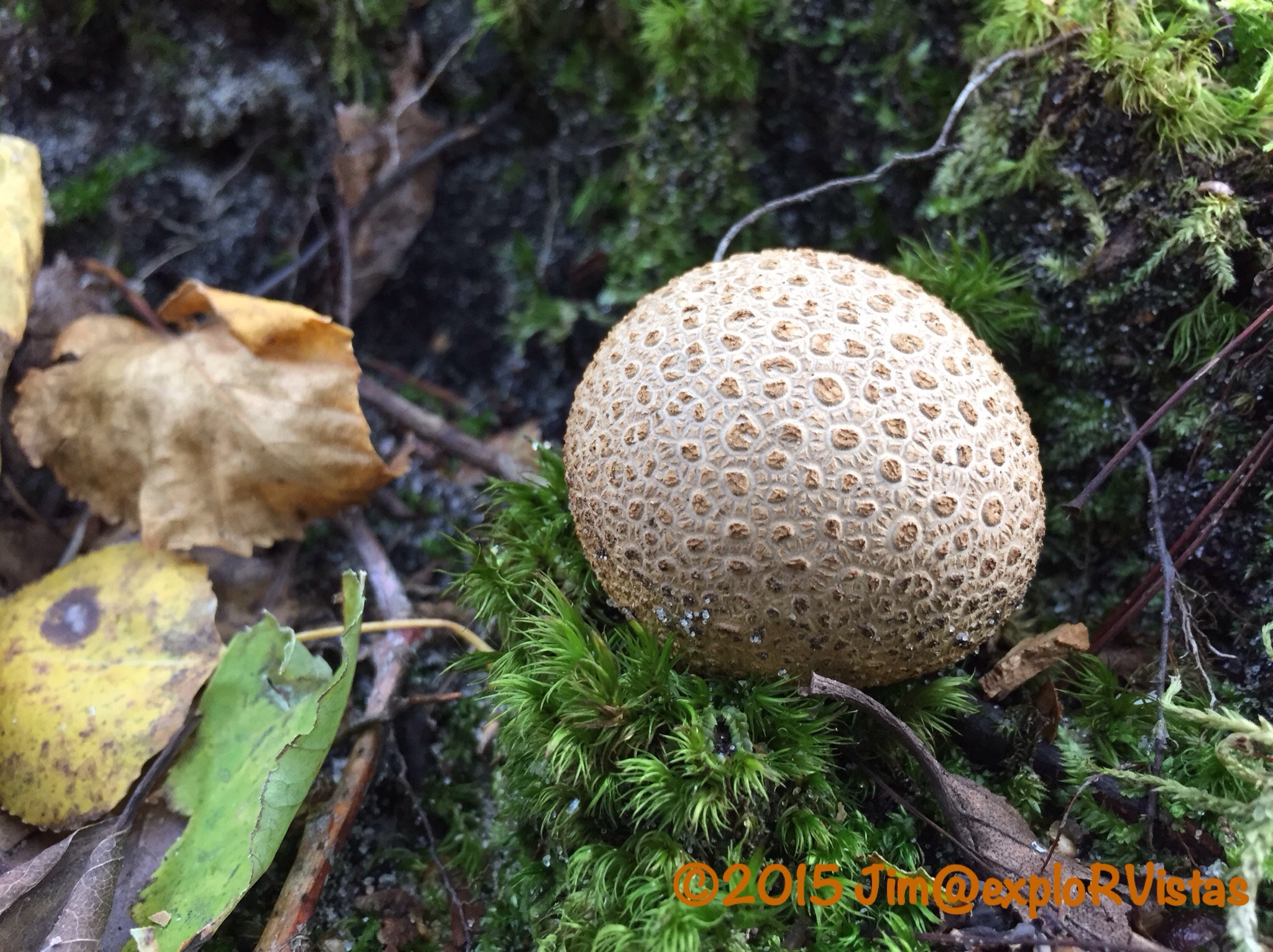
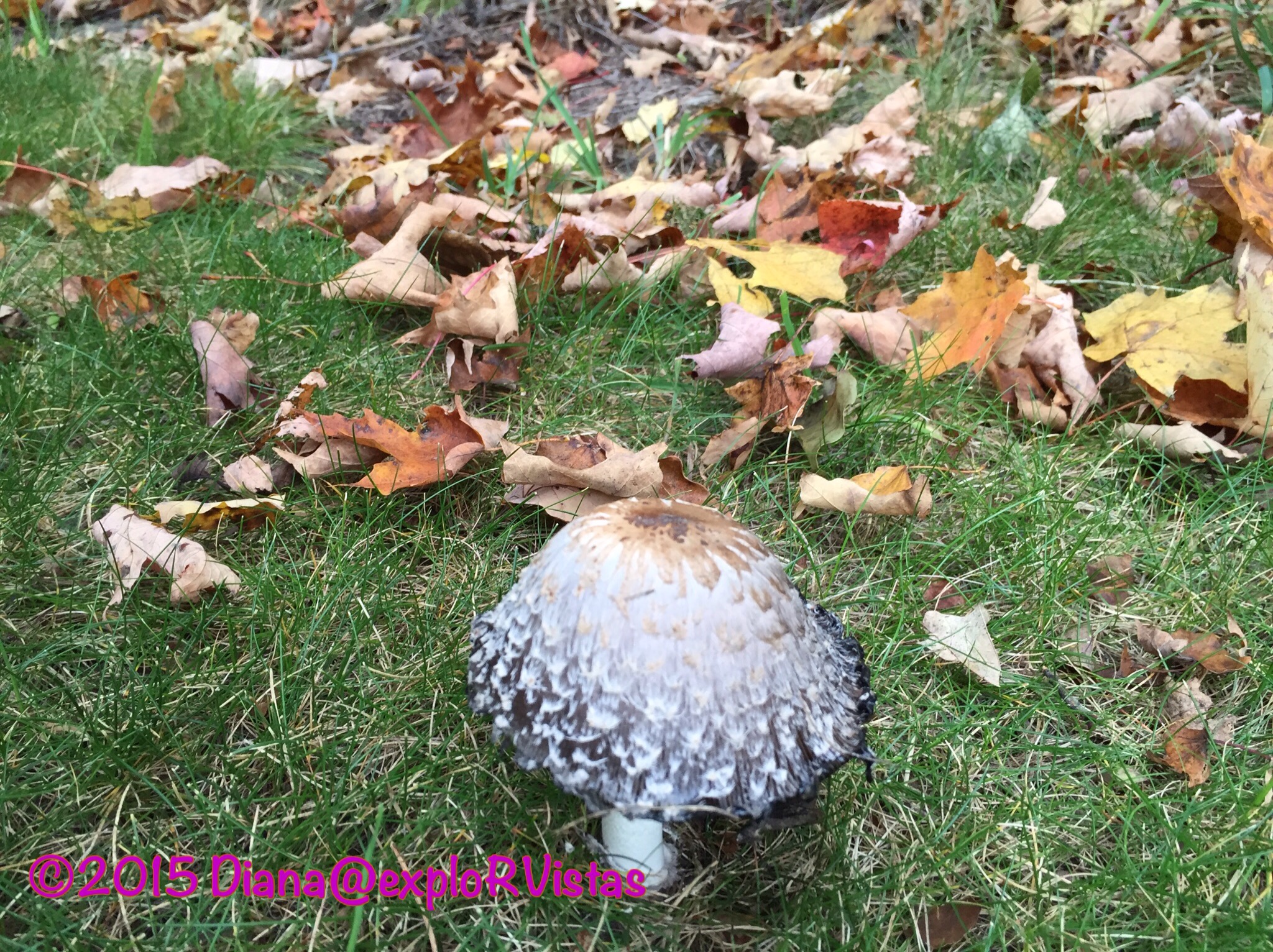
There was fungi…

  
…and more fungi!

  
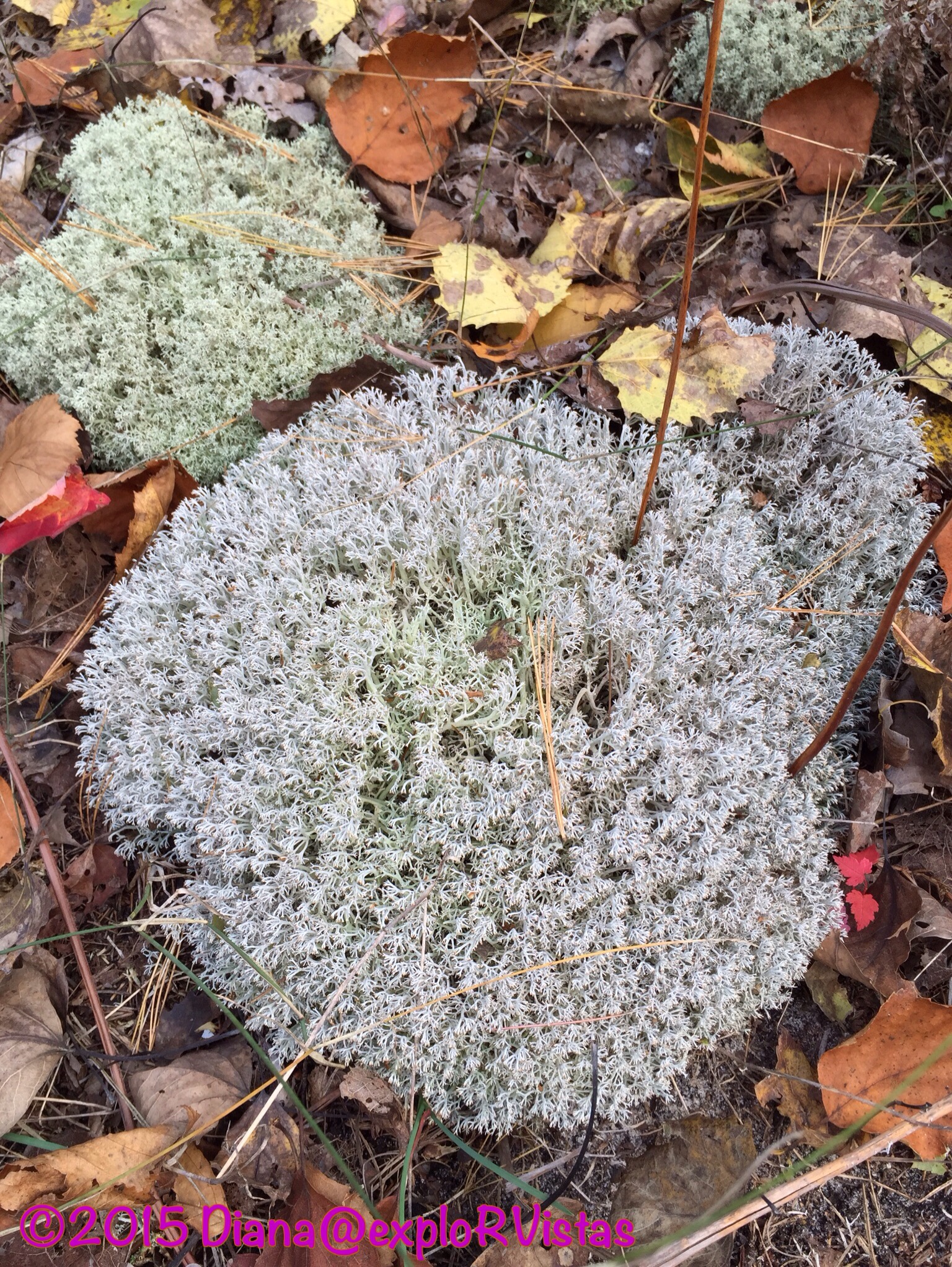
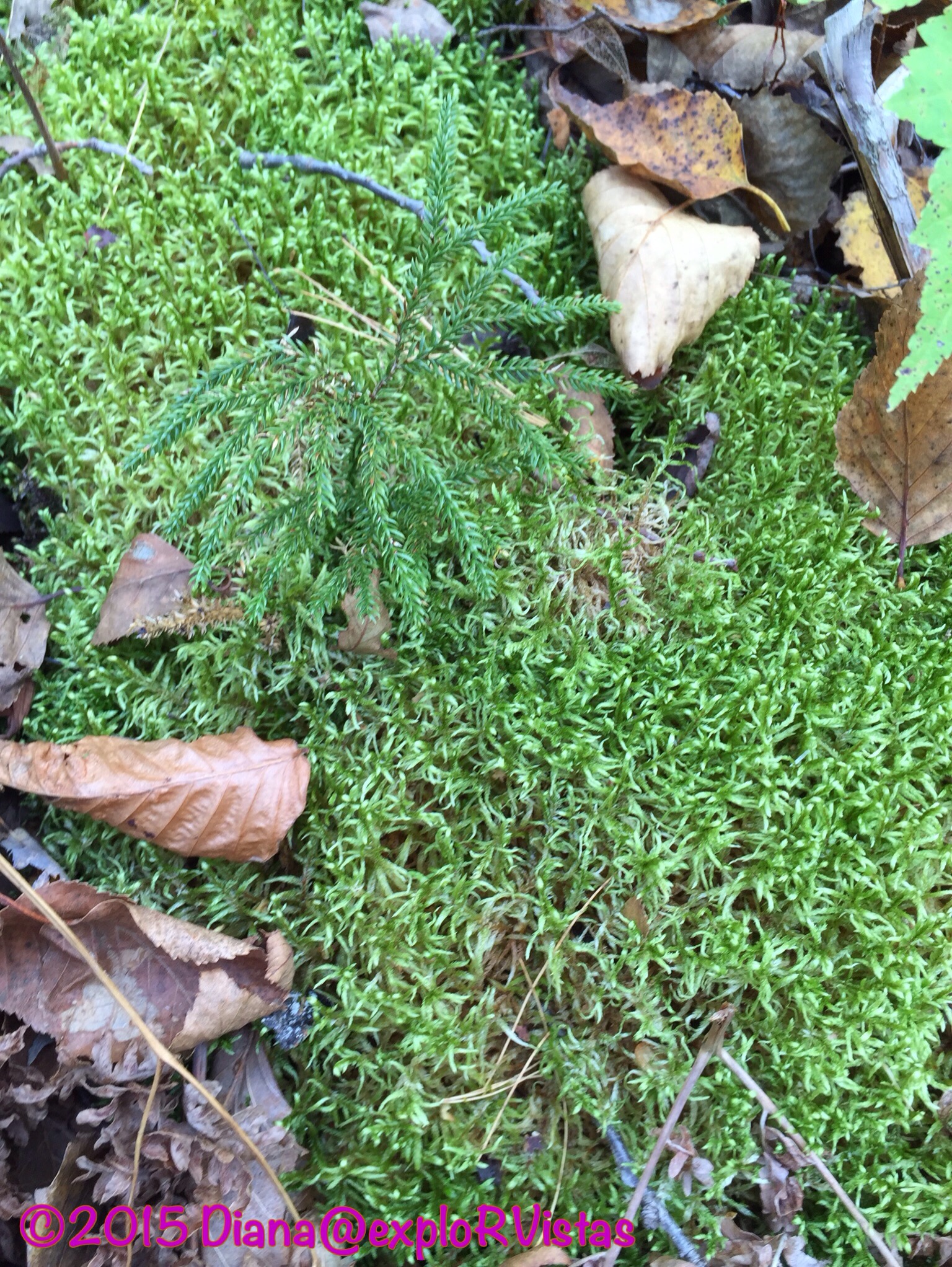
Really cool mosses……

 
…and more cool mosses!

  
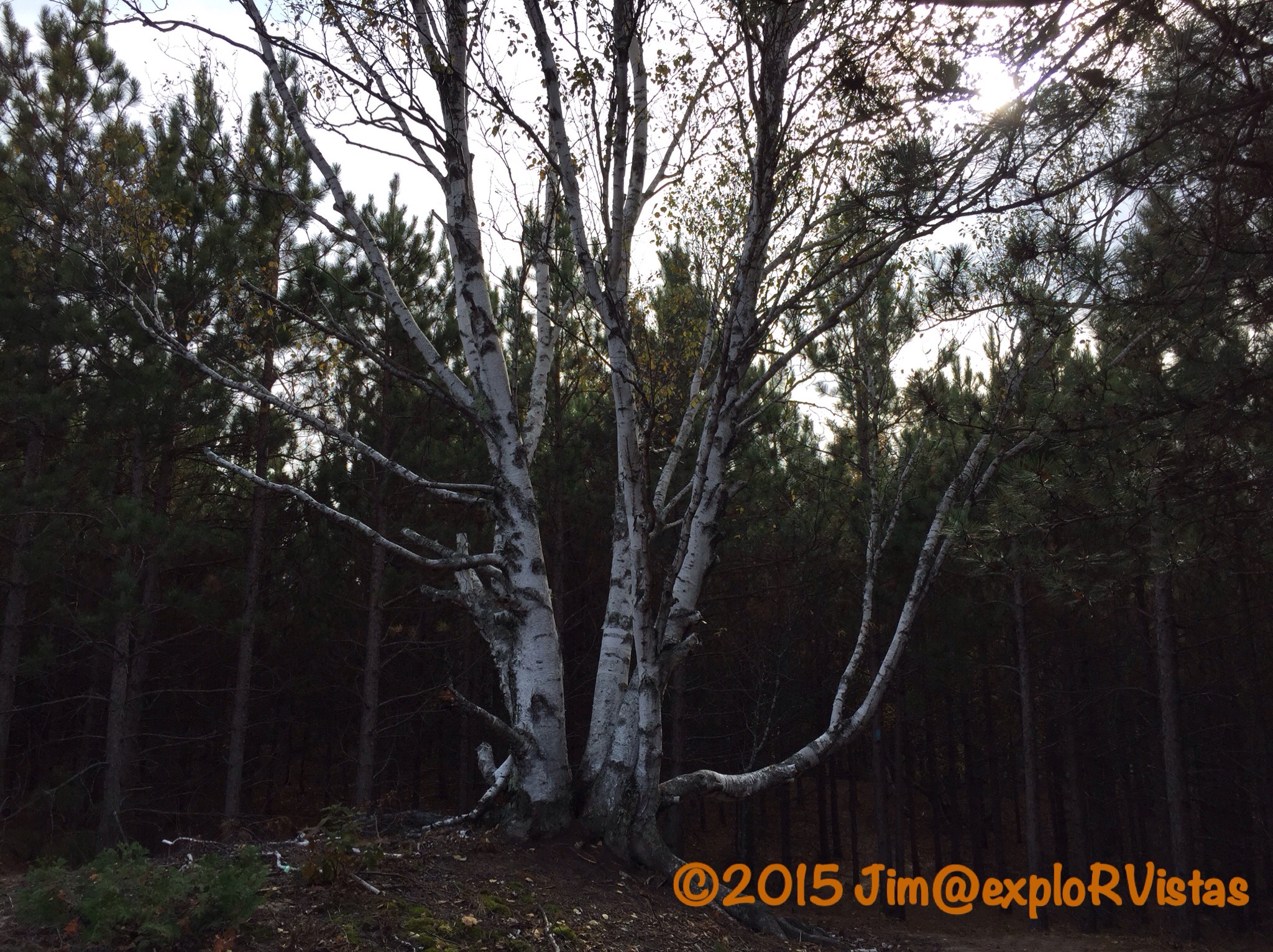
One really amazing feature of Houdek Dunes are the giant white birch trees.  Normally a ‘transitional’ tree between a juvenile and mature forest, these birches have survived for over a century.

  
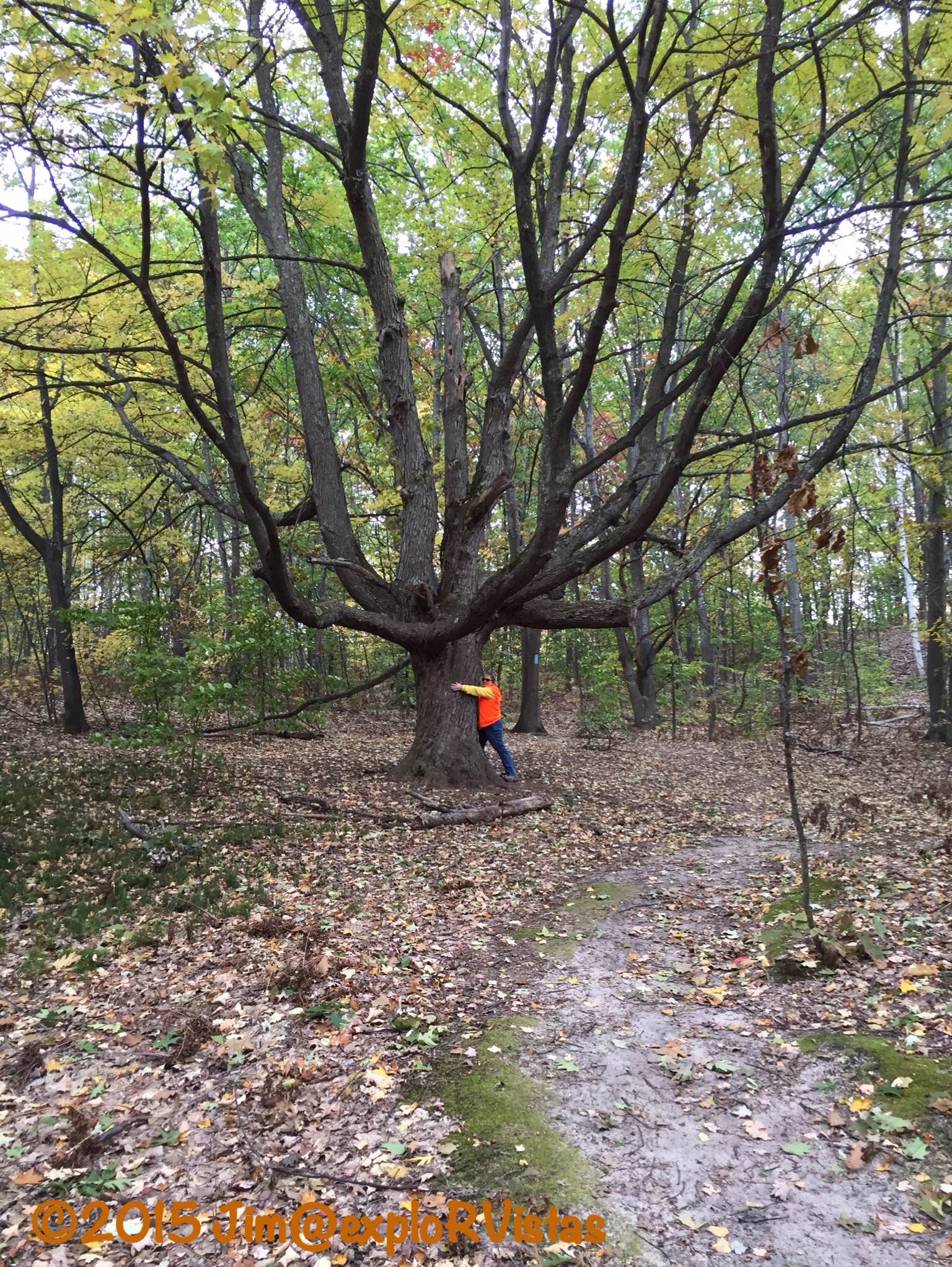
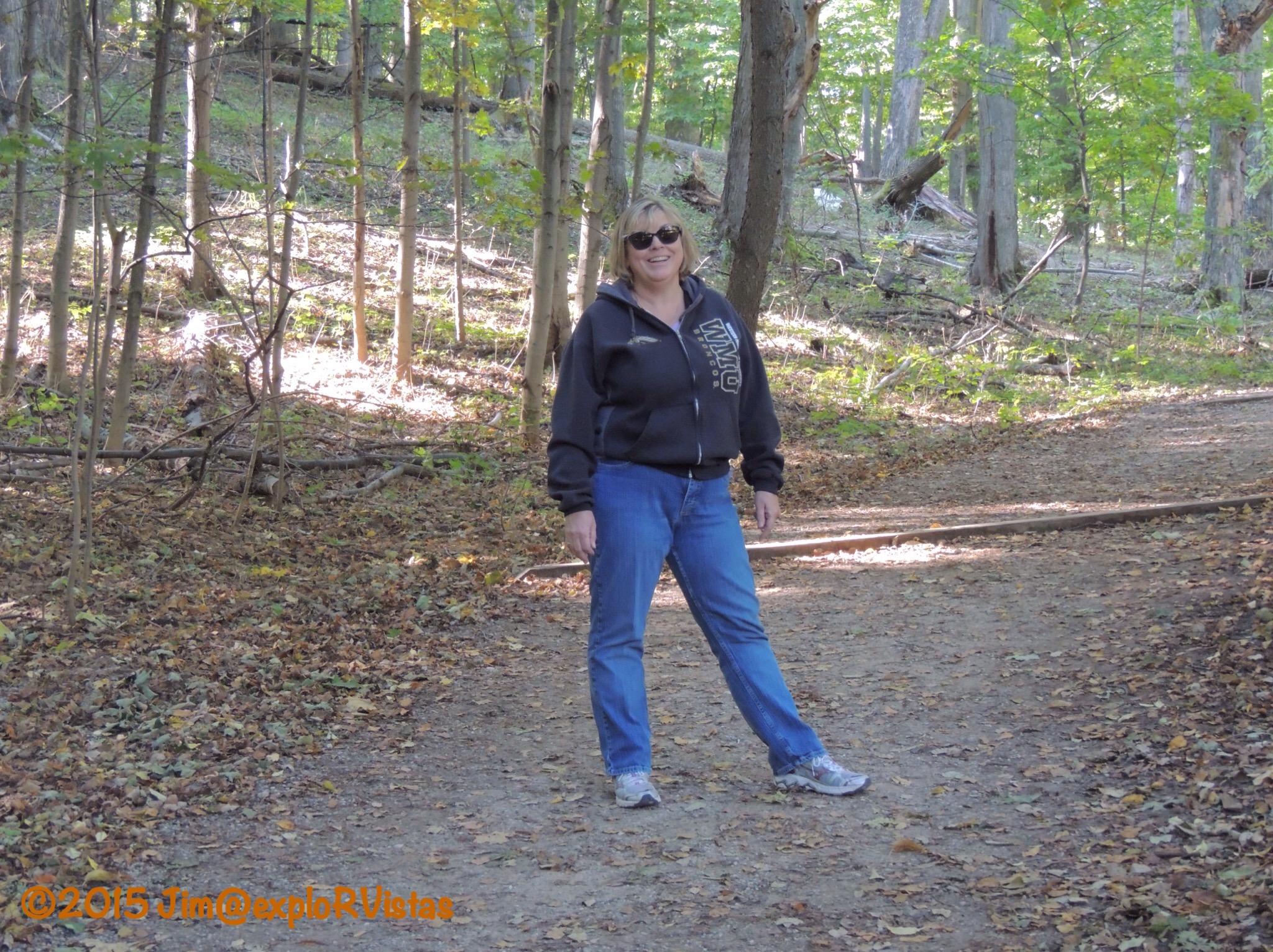
And a favorite spot for photos is this 100 year old maple.  Diana is doing her best to hug it, but that is a huge tree!

  
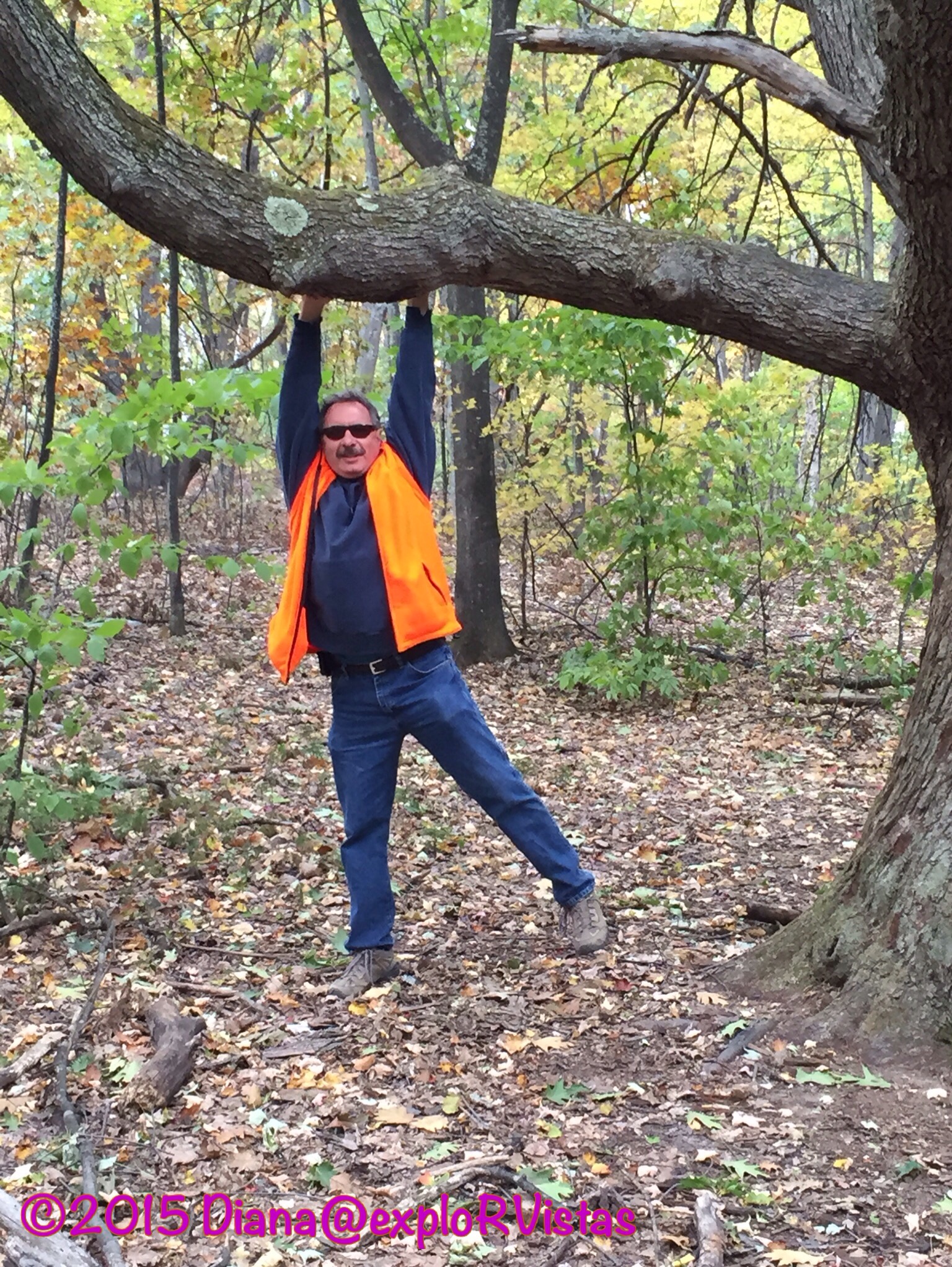
It is rumored that you can occasionally see wildlife swinging from its’ branches!

  
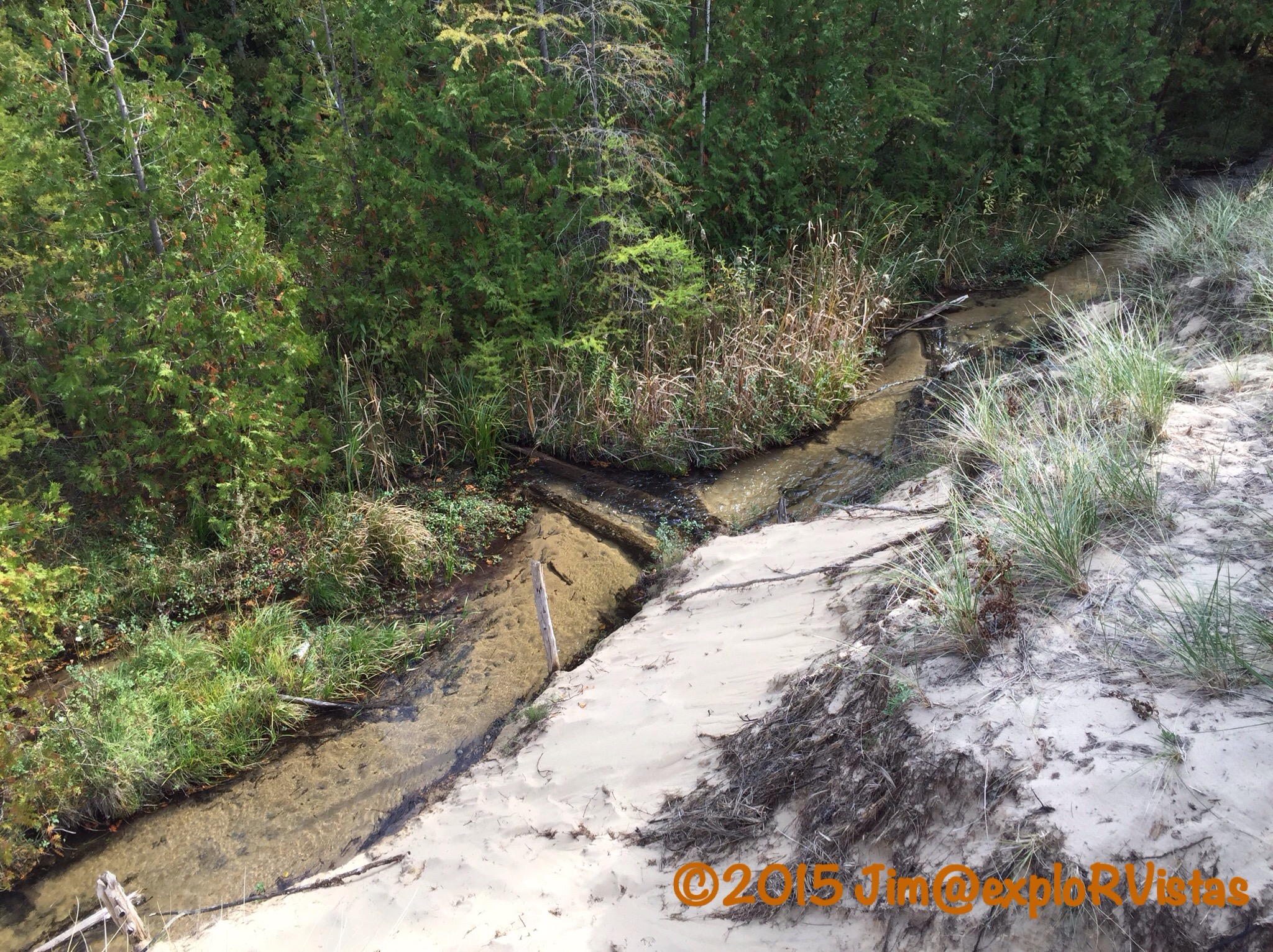
Farther along the trail there is an overlook at Houdek Creek, which is the largest tributary into northern Lake Leelanau.  Notice how clear this spring fed steam is. The sand bank is fragile, so access to the creek is discouraged.

  
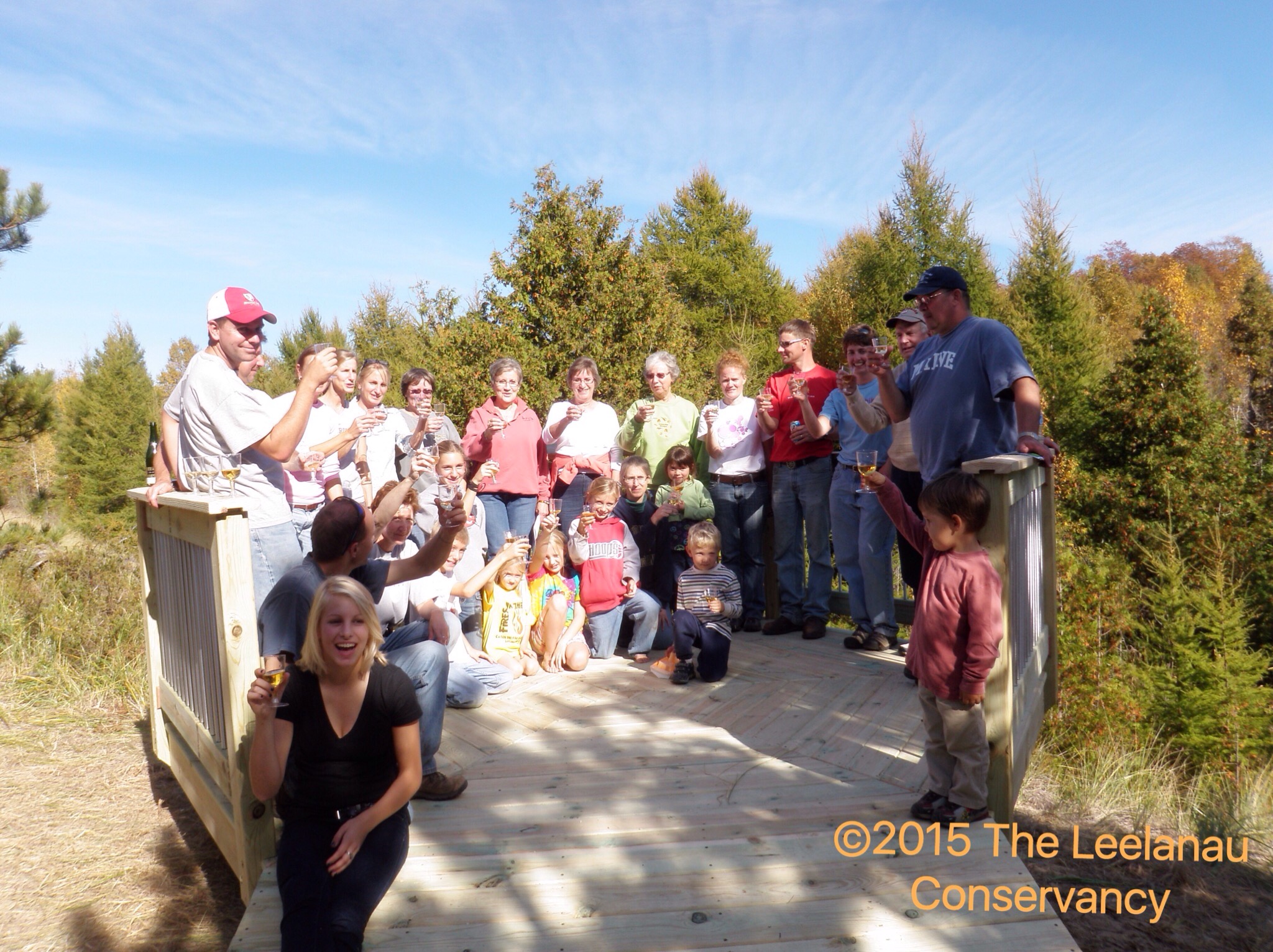
In 2011, the descendants of Charles and Isabelle Houdek funded and built a deck overlooking the creek.  Are those glasses of wine?  Well…it is the Leelanau Peninsula…..  😃

  
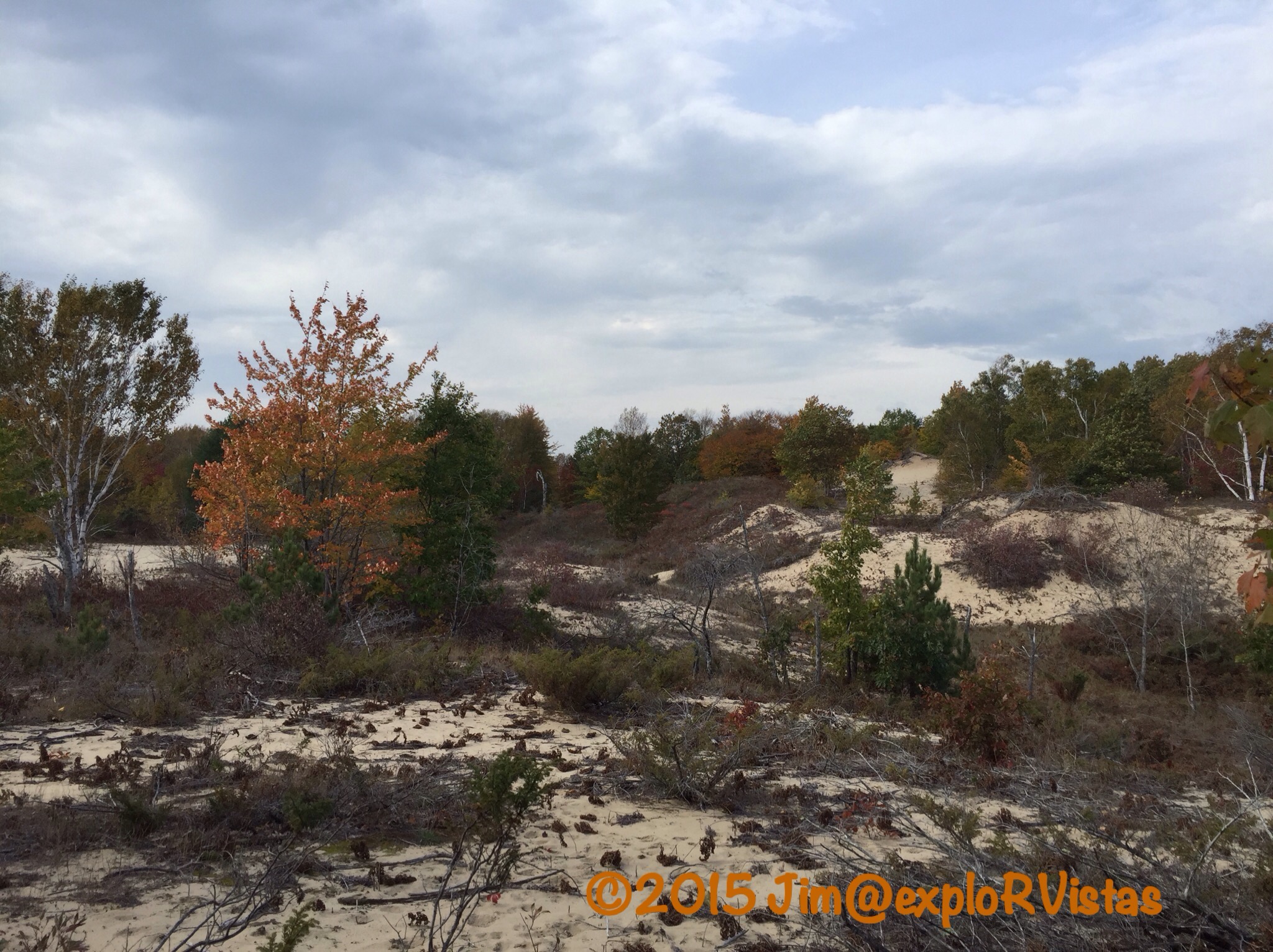
The last part of the trail passes across a blowout dune, where the wind is winning out over the vegetation.

We thoroughly enjoyed our hike at Houdek Dunes, and we can’t wait to go back and hike the Rigeline Trail sometime in the future.

Well that wraps up our summer in Leelanau County and at Wild Cherry Resort.  We had a fabulous time!  

  
  Stay tuned to see what vista we explore next!

Whaleback Natural Area

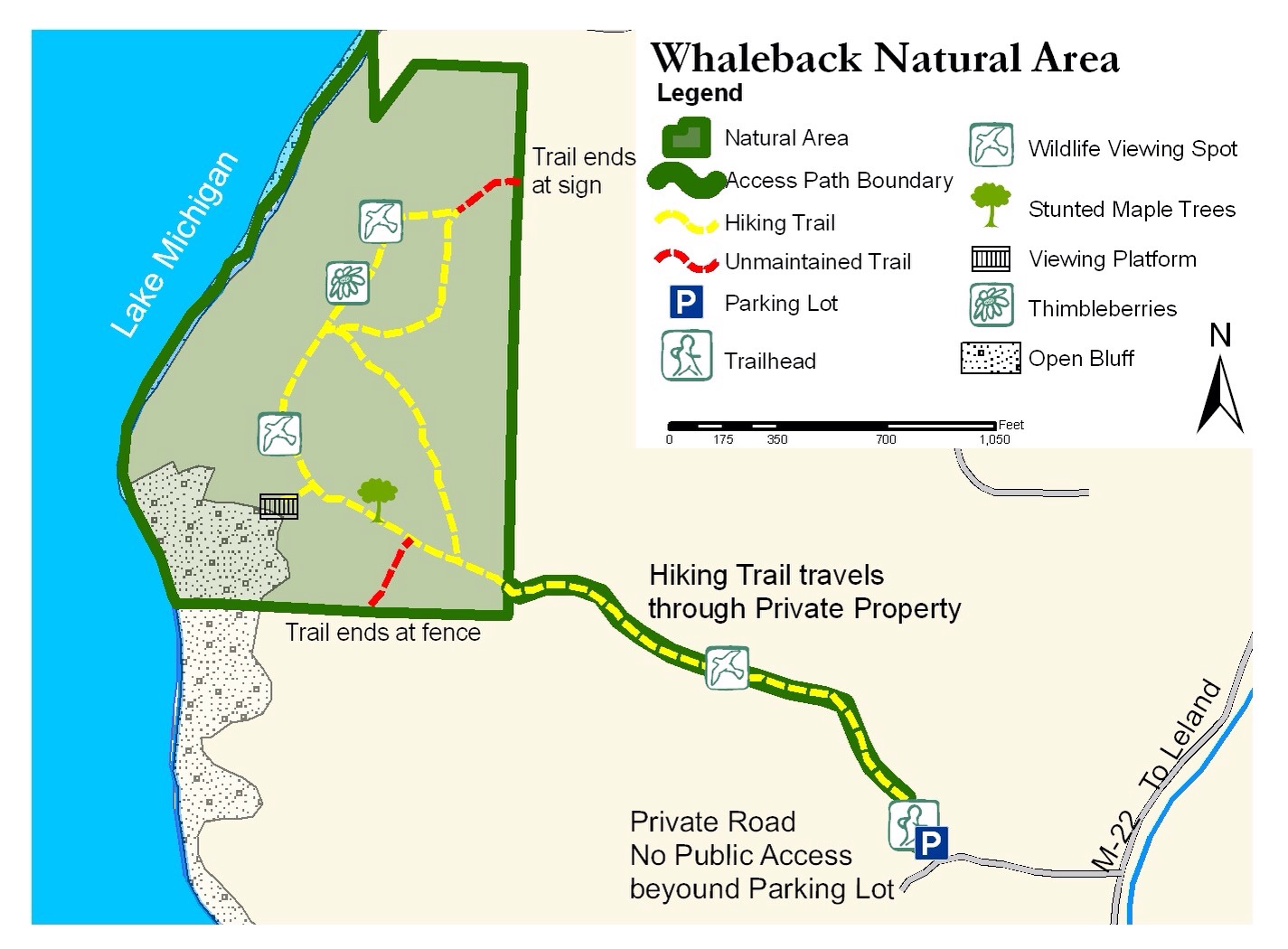
On Monday, October 19, we decided to check out another one of Leelanau Conservancy’s preserves, Whaleback Natural Area.

  
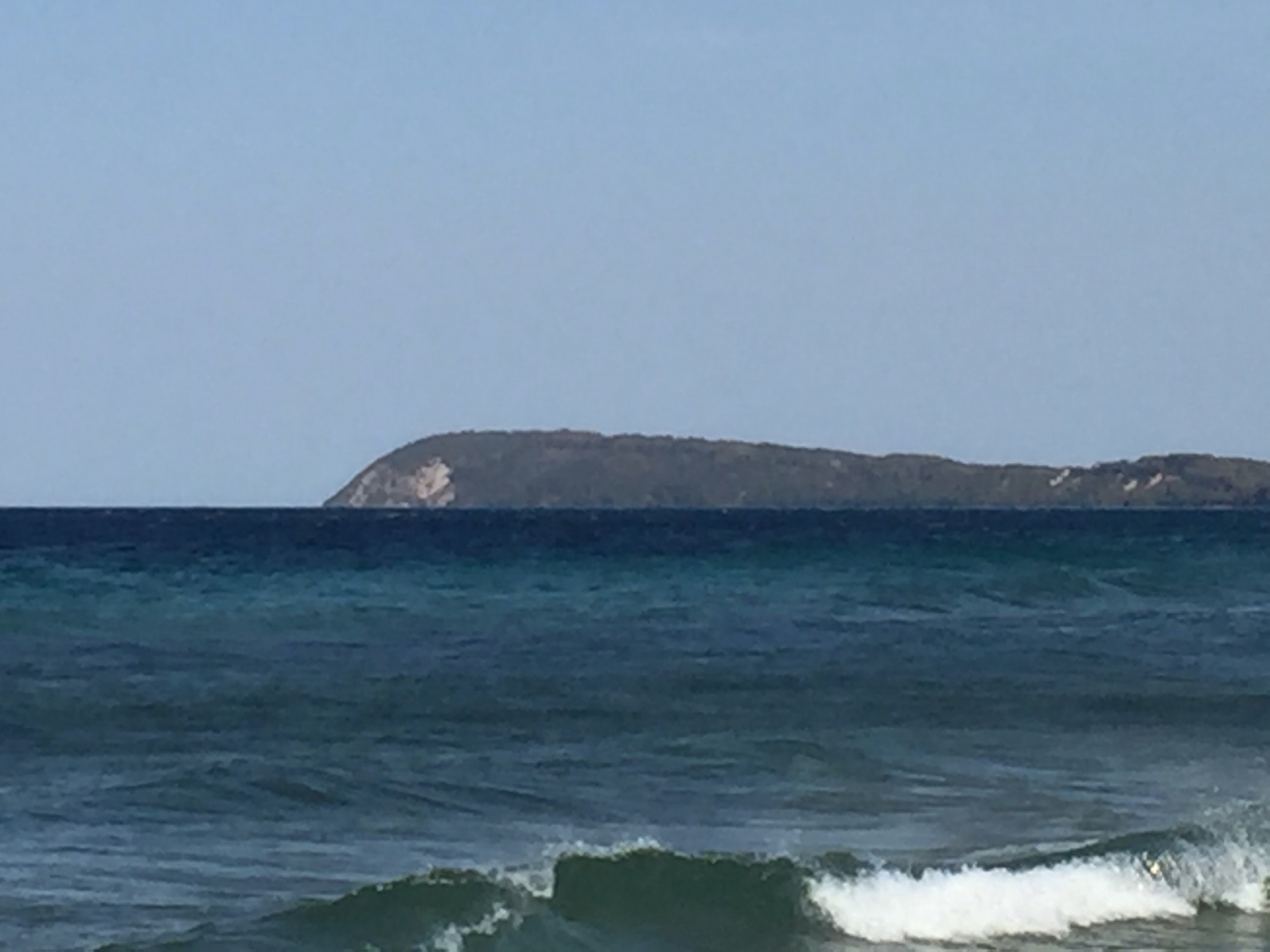
To truly appreciate why mariners referred to this bluff as ‘whaleback’, you must first view it from Good Harbor Beach to the southeast.  From that vantage point, it appears as a giant sea creature on the horizon.

The starting point for the trail is just south of the village of Leland, just off of M22.  There is a spur trail that snakes between two private parcels of land to reach the 40 acre glacial moraine. 

  
At 1.6 miles, this is not a tremendously long hike, although there is a steady elevation change as you crest the whale’s back.

Click here to see the wind whipping through the trees on our hike.  We had a steady 30 mph breeze that day, coming straight out of the southwest.


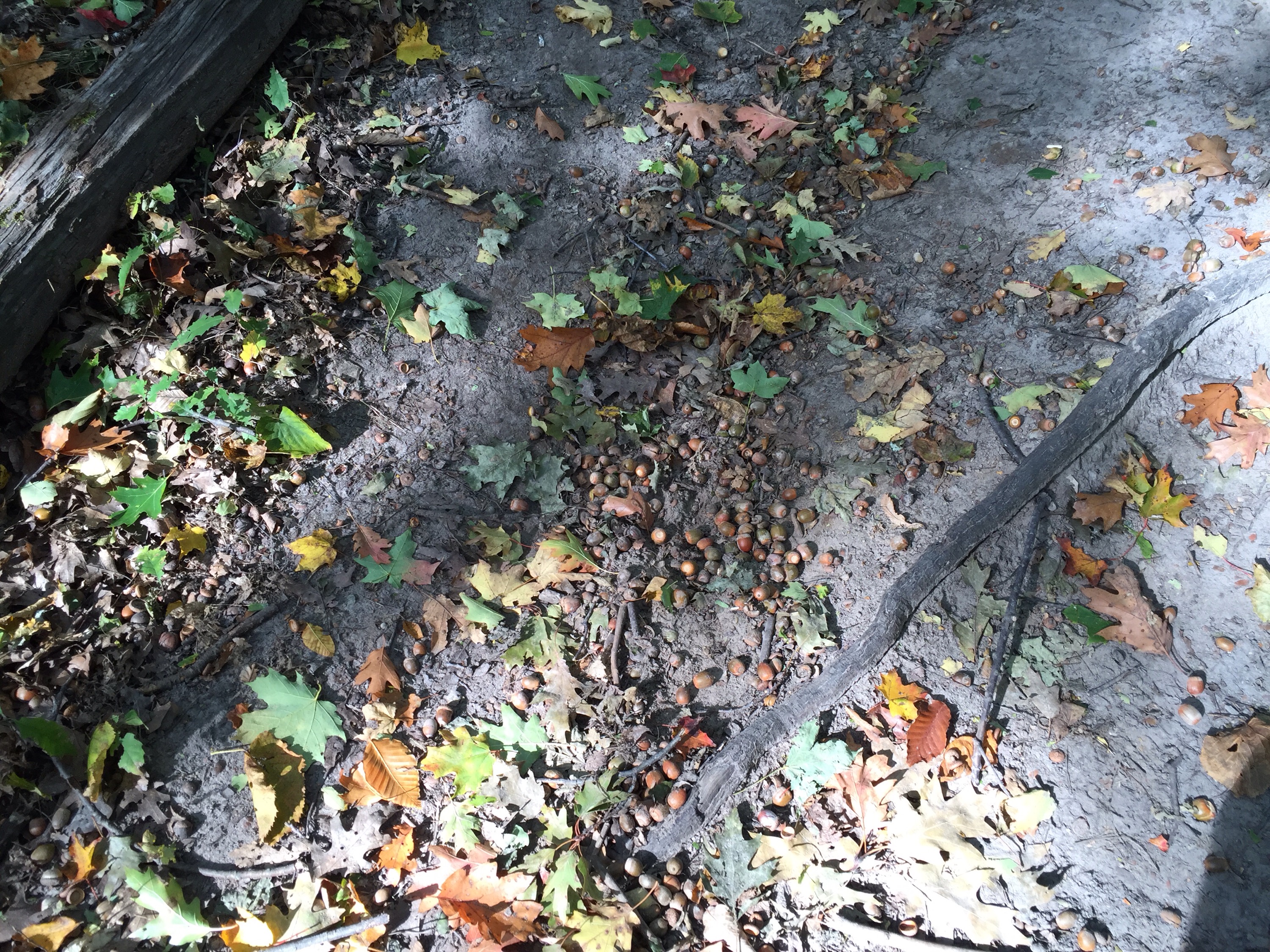
One of the challenges we faced on this hike was the amount of acorns on the spur trail.  They were like walking on ball bearings!  🙂

  
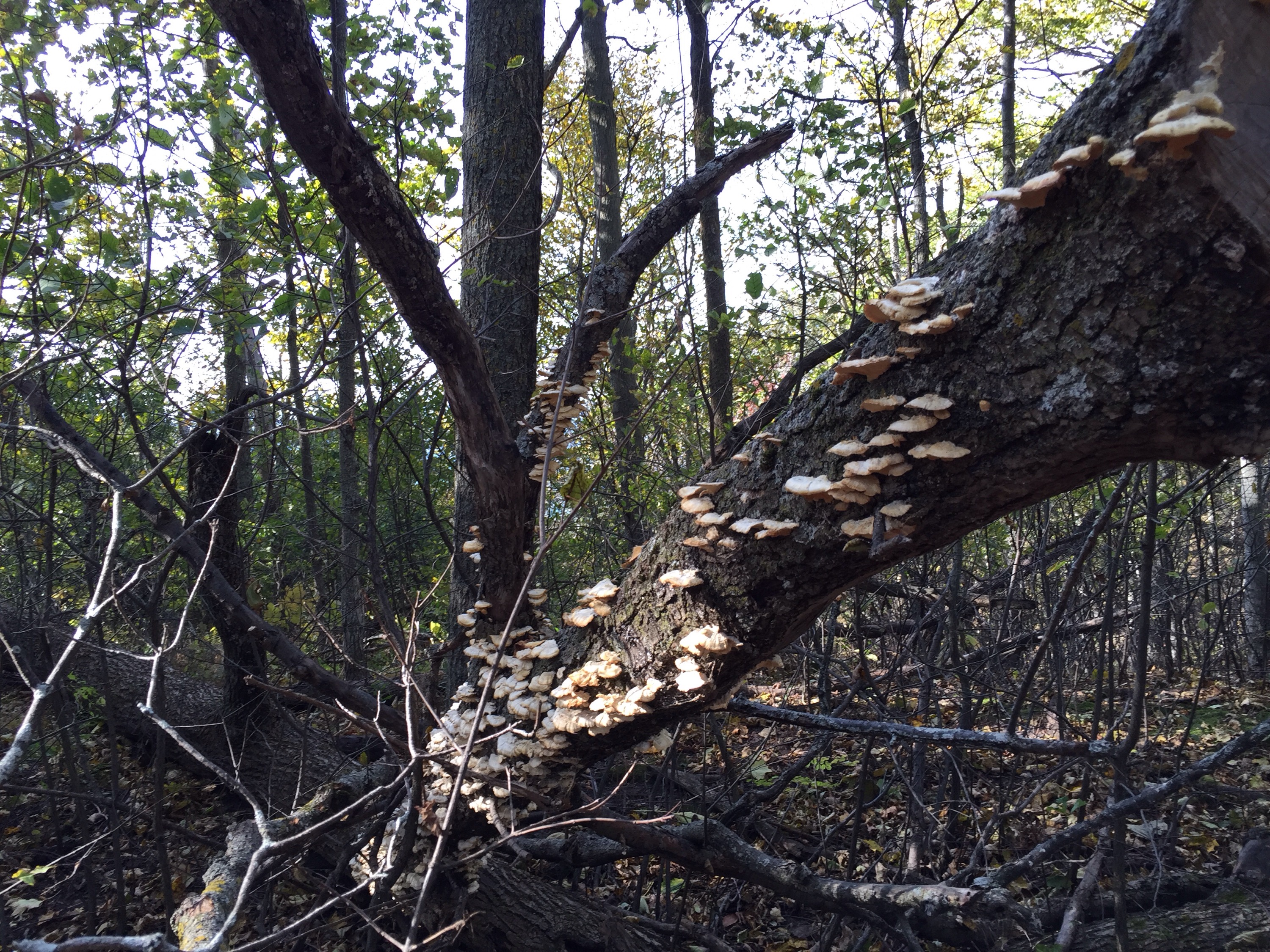
We passed this fallen tree that was covered with bracket fungi.


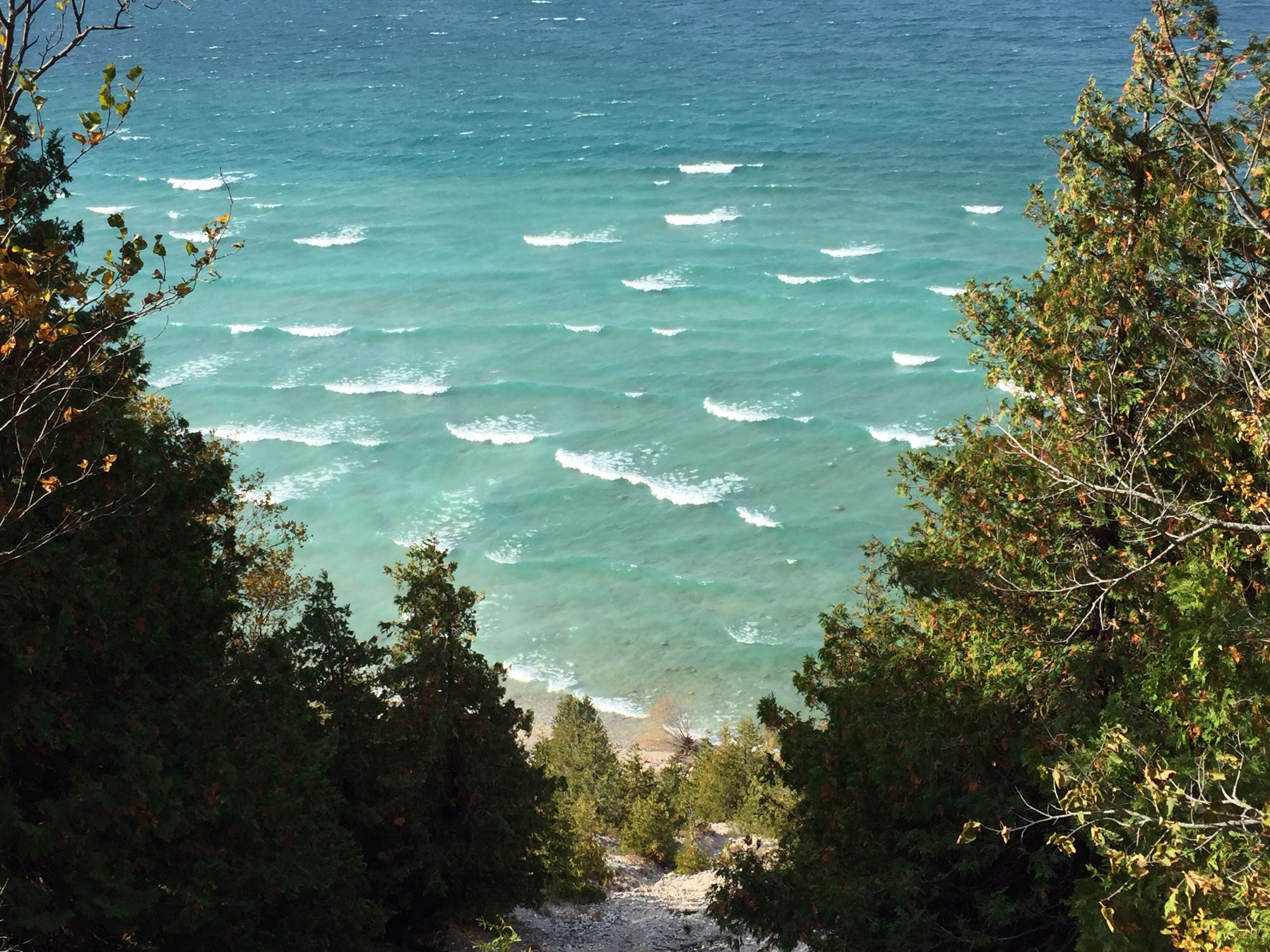
It wasn’t too long until we came to the Good Harbor Bay overlook.  The wind was pretty much hitting us head on.

Click here to see a short video of the bay.  We saw something in the distance across the water, but we couldn’t make out what it was.  I suspected it was a freighter tucked into the bay to escape the wind and waves.  More on that later…


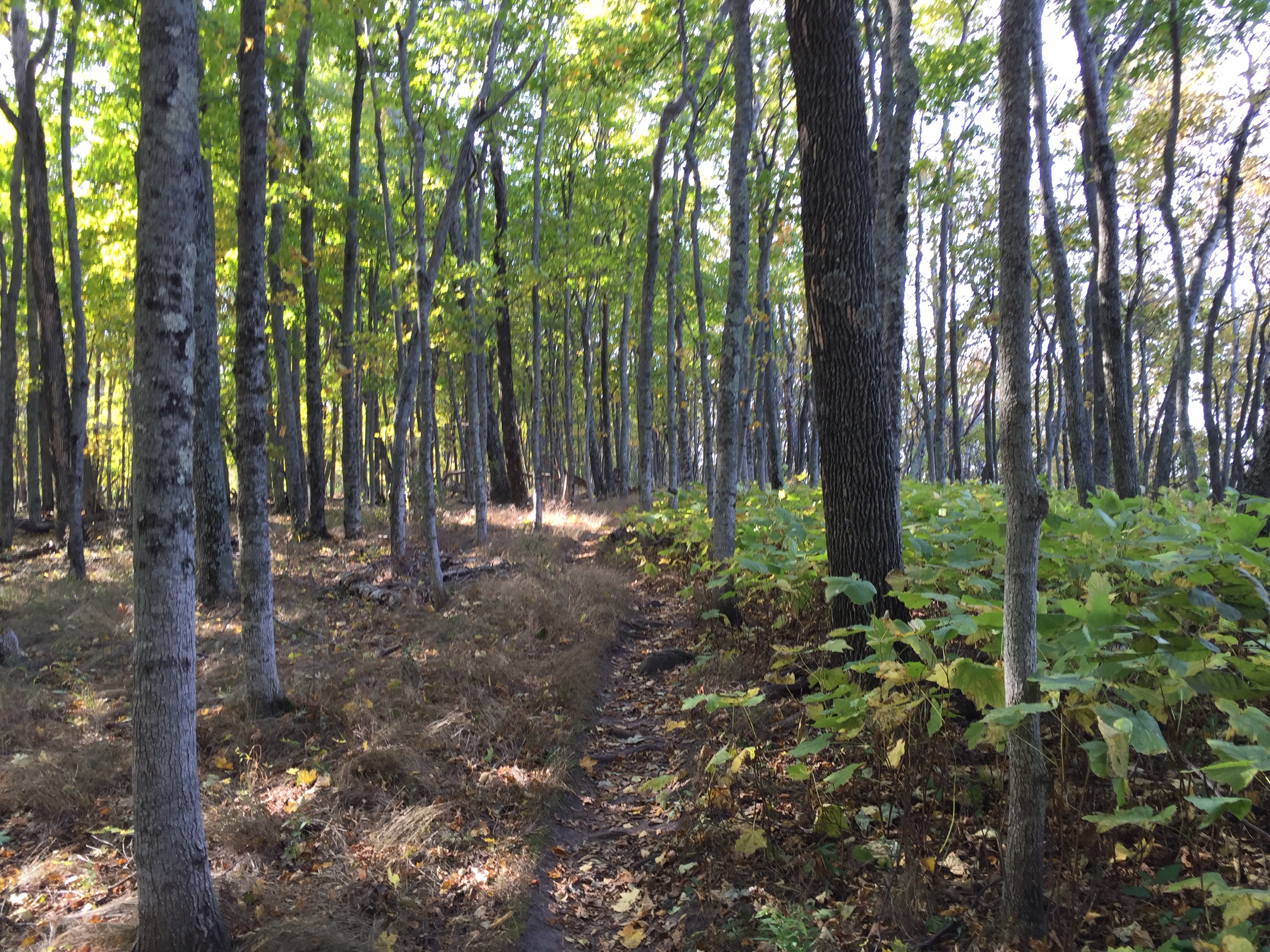
This photo is typical of the landscape on the crown of the bluff.  The high canopy of the trees created a very pleasant space on the forest floor.


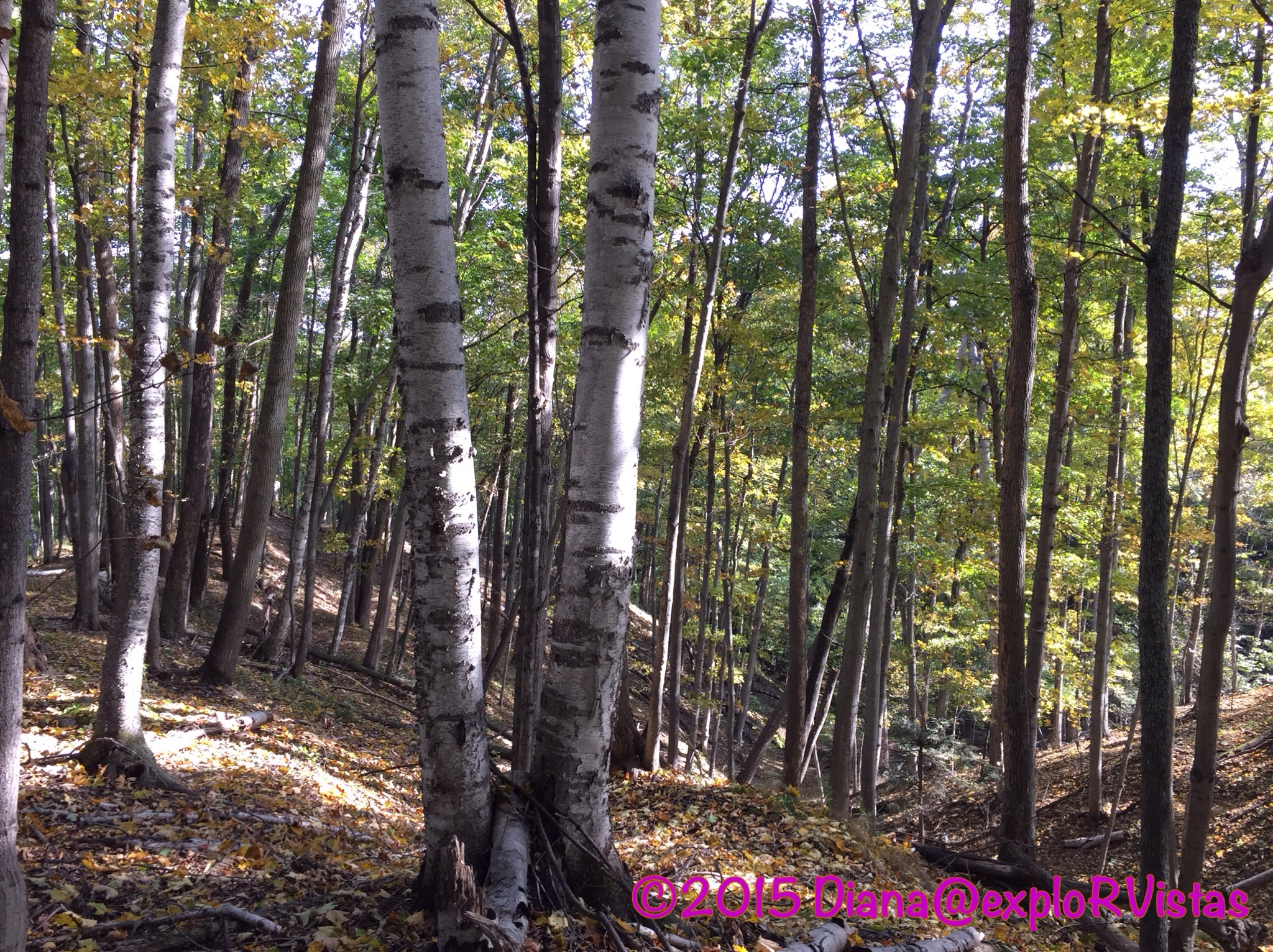
The ravines off of the summit were steep and were absolutely gorgeous! 


The sun through the trees created a surreal scene.  🙂 
After we left the preserve, we decided to drive down to Good Harbor Beach to see if we could figure out if we were seeing a freighter or not.


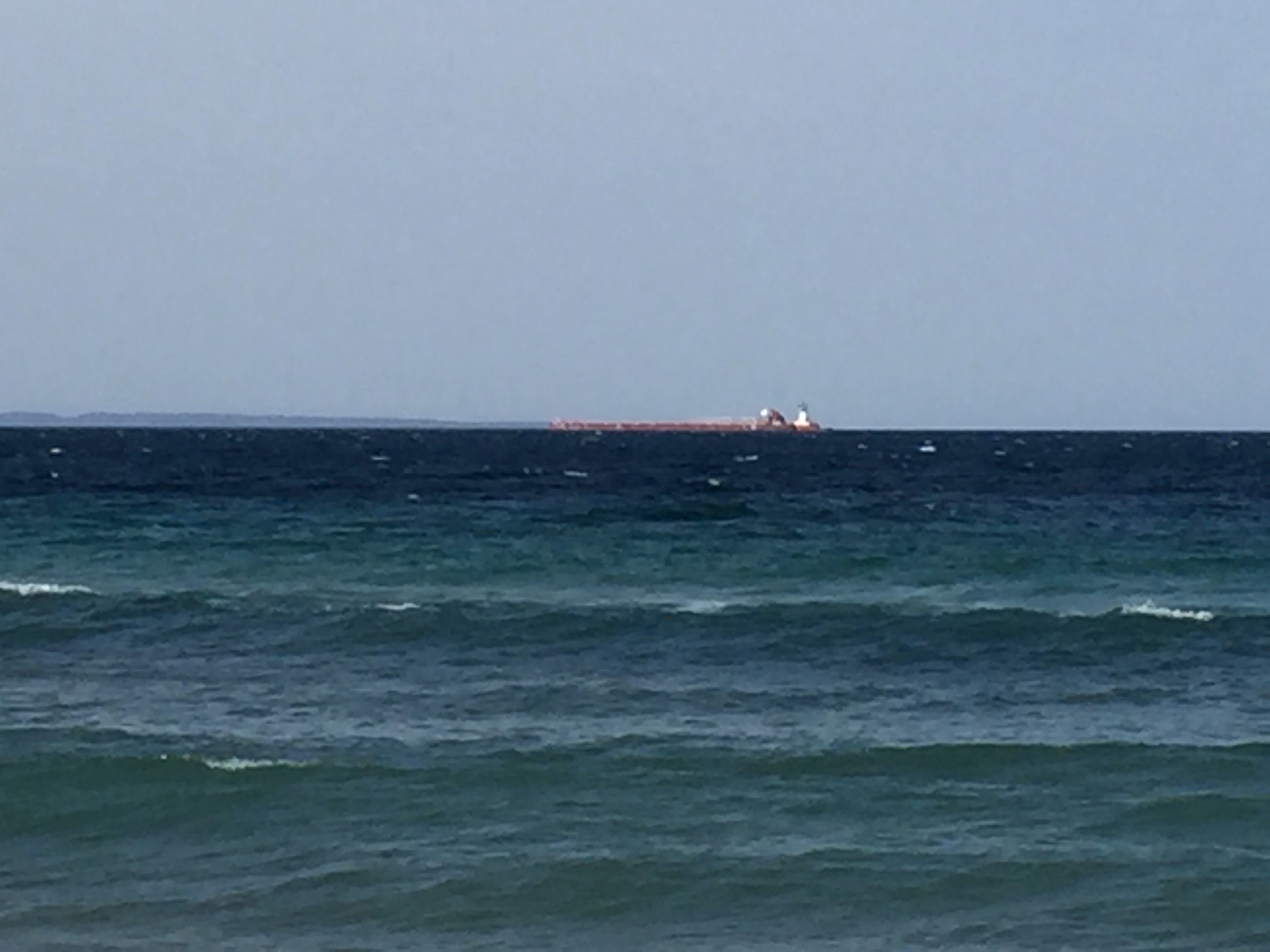
Sure enough, it was a sizable ship.  I checked the Great Lakes Seaway and Shipping website and discovered it was the 844 foot tug/ barge combination Joyce Van Enkevort/Great Lakes Trader.  Turns out, this wasn’t the only ship seeking refuge in the bays along Lake Michigan.  I noticed another one on the website farther north in Little Traverse Bay near Petoskey.  Even though were on the leeward shore of the bay, the wind was blowing the tops off of the waves, as seen in Diana’s video here.

Whaleback really was different than anything we had seen on the Leelanau Peninsula.  If you are in the area and get a chance to hike it, we think you will enjoy it!


Clay Cliffs Natural Area

As stated in our previous post, we recently explored three of the many natural areas that are managed by the Leelanau Conservancy.  The first place we visited was Clay Cliffs Natural Area, located just north of the village of Leland.  It sits on the 1/4 mile ribbon of land that separates northern Lake Leelanau from Lake Michigan.  Our friends Lane and Patti had recently visited here, and based on their recommendations we wanted to check it out before we left Leelanau for the year.


We went there in the evening on October 14, grabbing the last sliver of blue skies between the end of our shift at Wild Cherry Resort and a weather front that was moving in from the southwest.

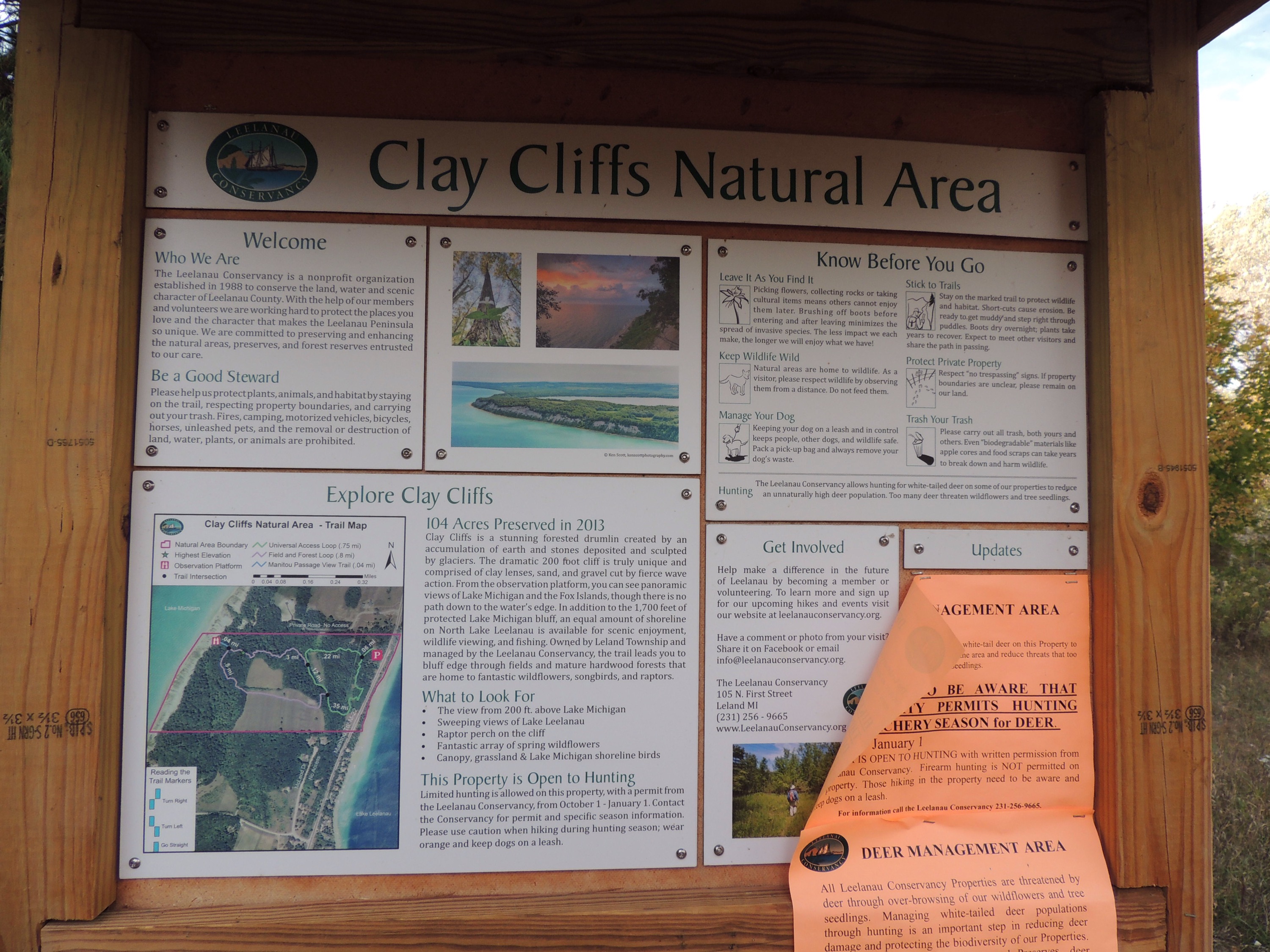
Arriving at the parking area, we spotted the orange notice on the sign board.


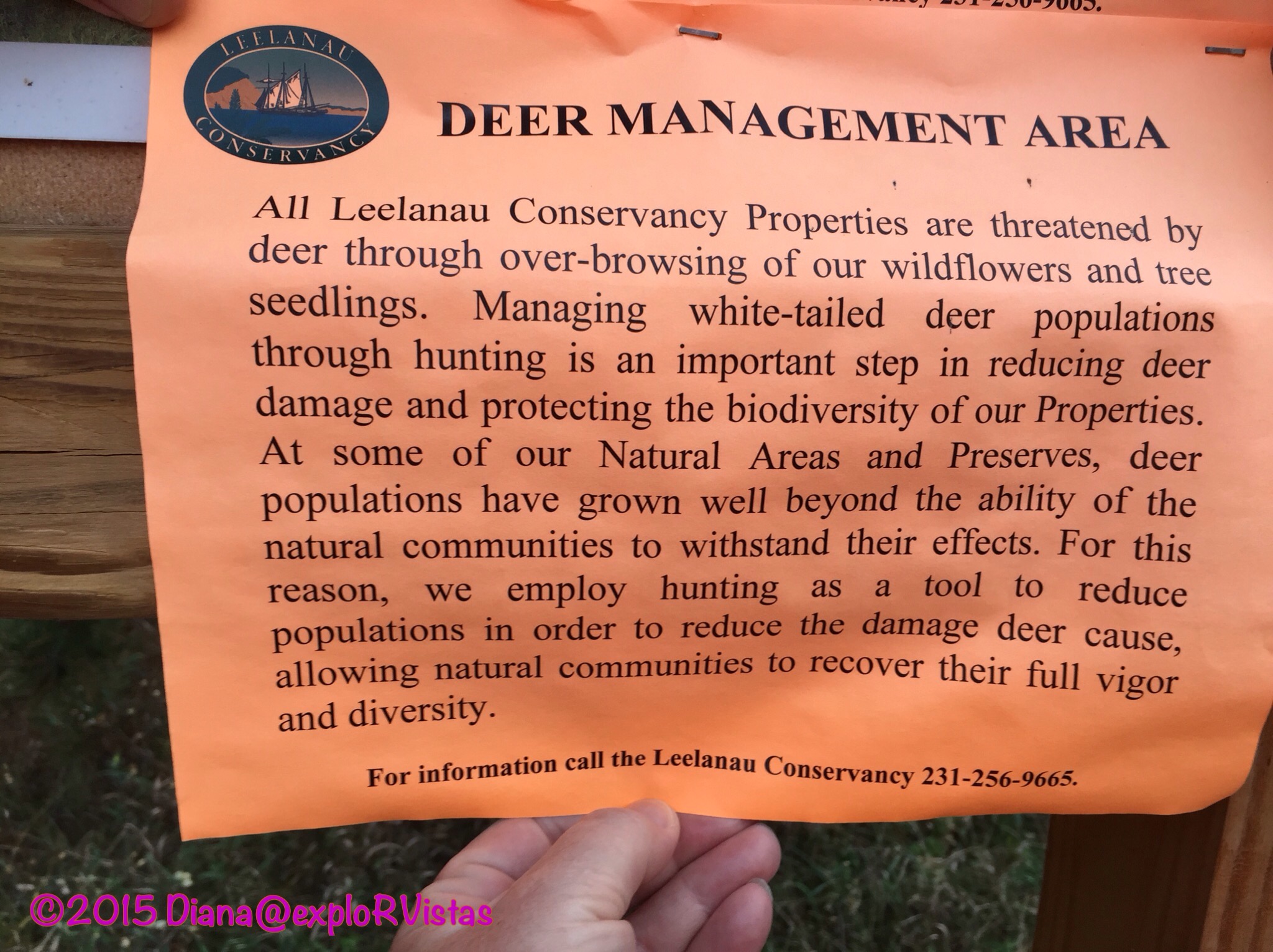
Below is an explanation as to why they allow hunting on this particular land.


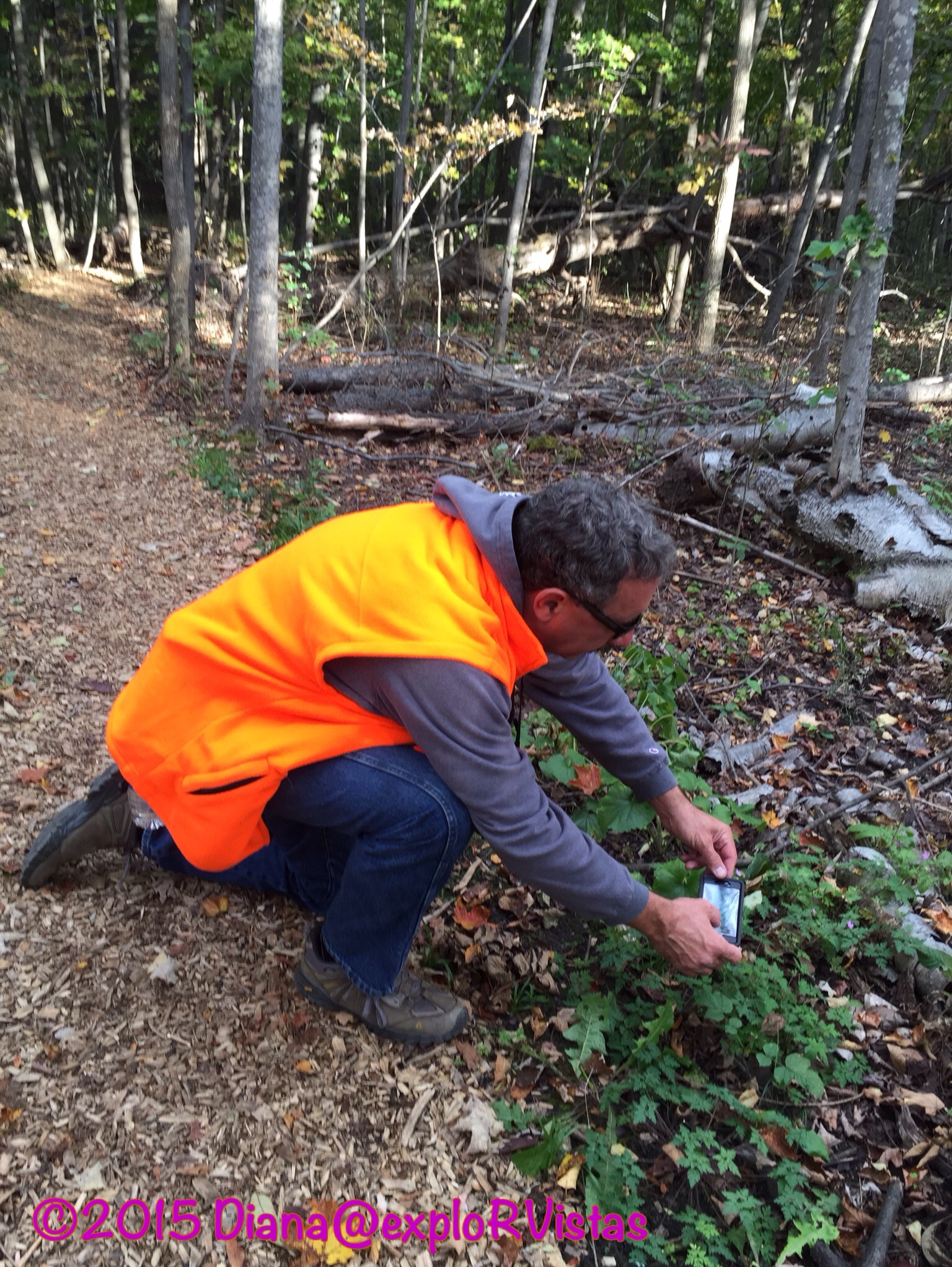
This particular area is open to hunting.  Michigan’s deer archery season is currently open, so we put on our hunter’s orange fleece vests as recommended.

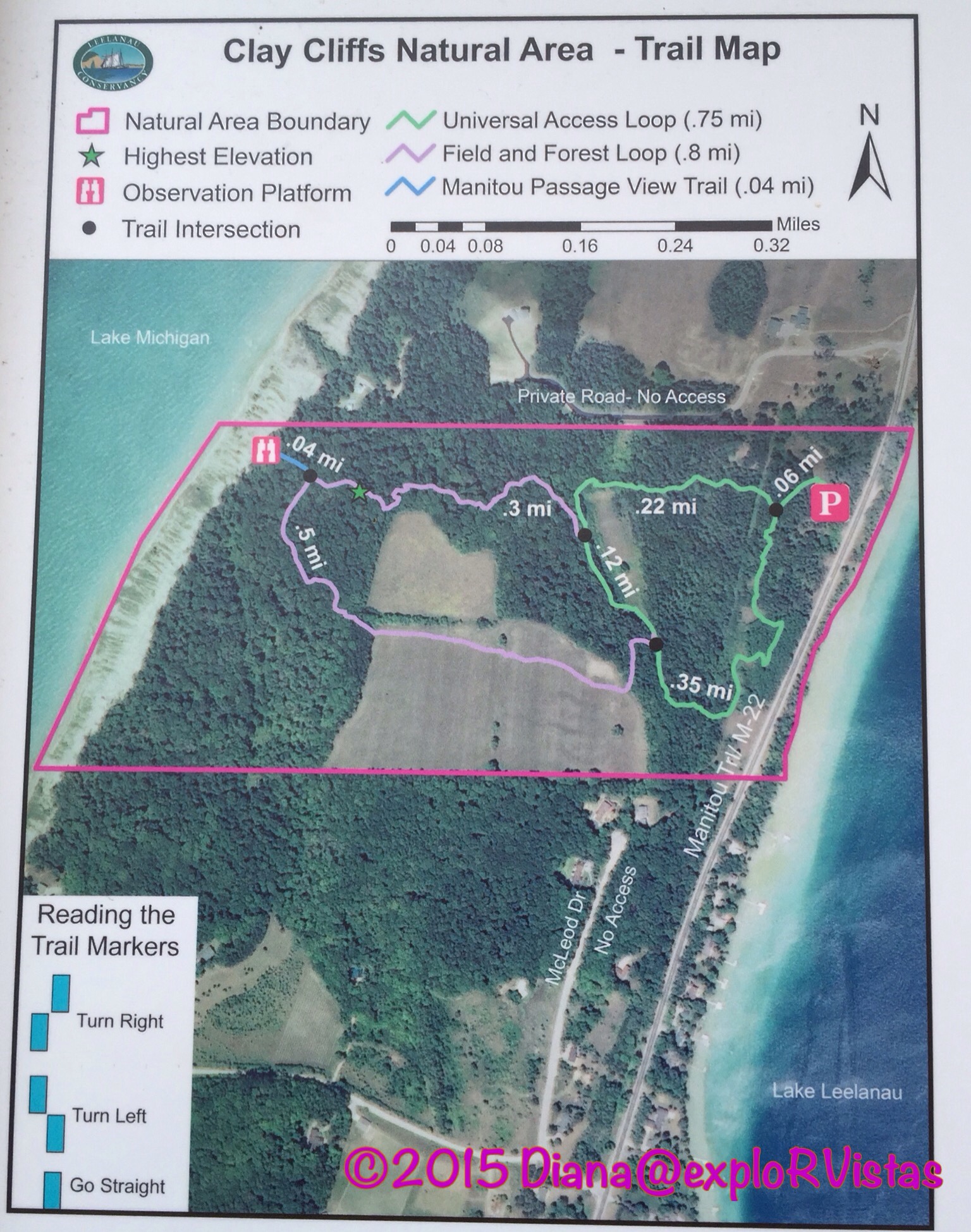
Diana took a photo of the map on the sign. Lane taught us this little trick.  🙂


Not only is there 1700 feet of Lake Michigan shoreline in the preserve, there is also the corresponding amount of Lake Leelanau frontage.  The meadow on the southern edge of the property was farmland prior to the preserve’s establishment in 2013.


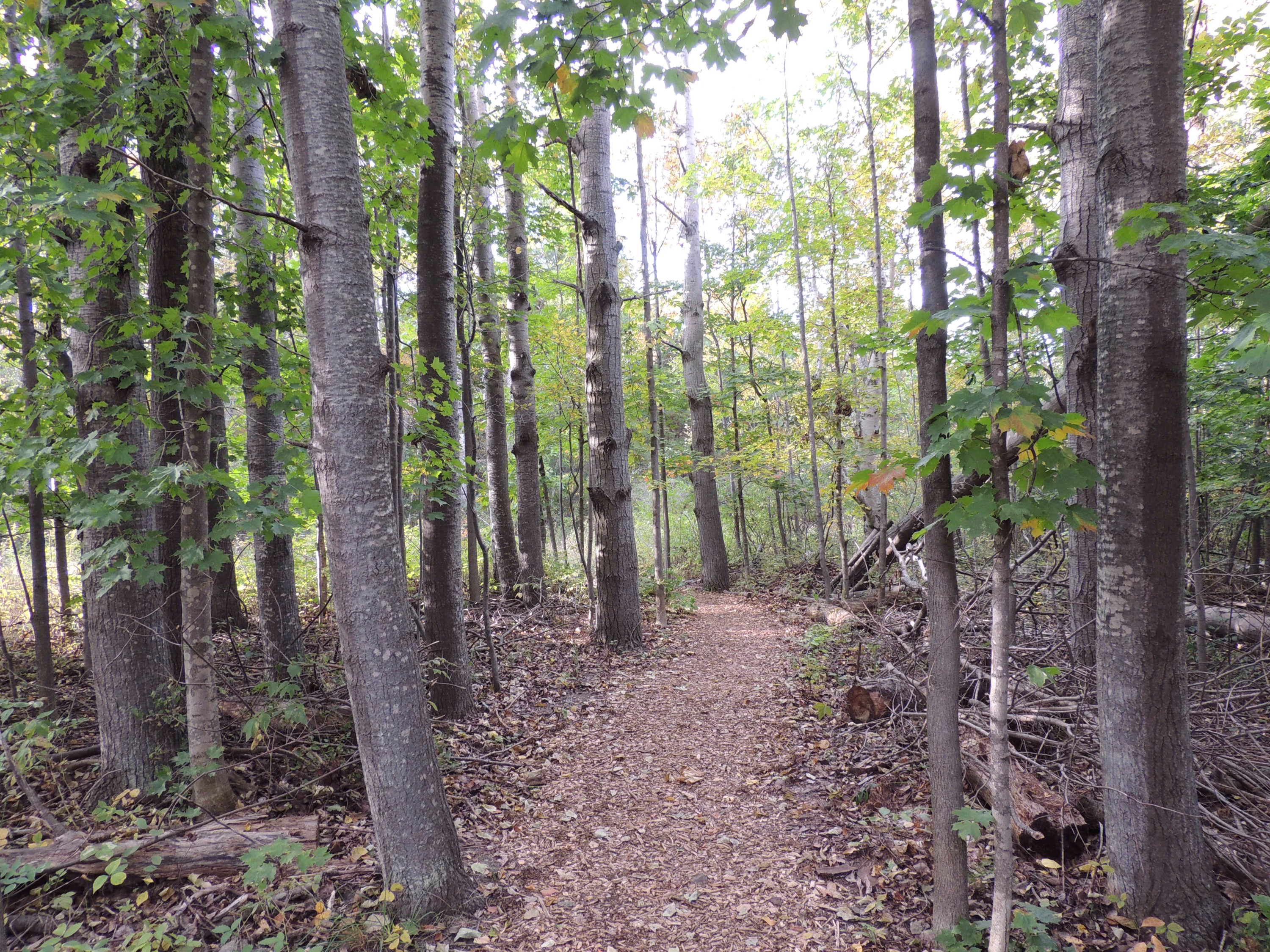
The first part of the trail was fairly wide as it twisted through mixed hardwoods.


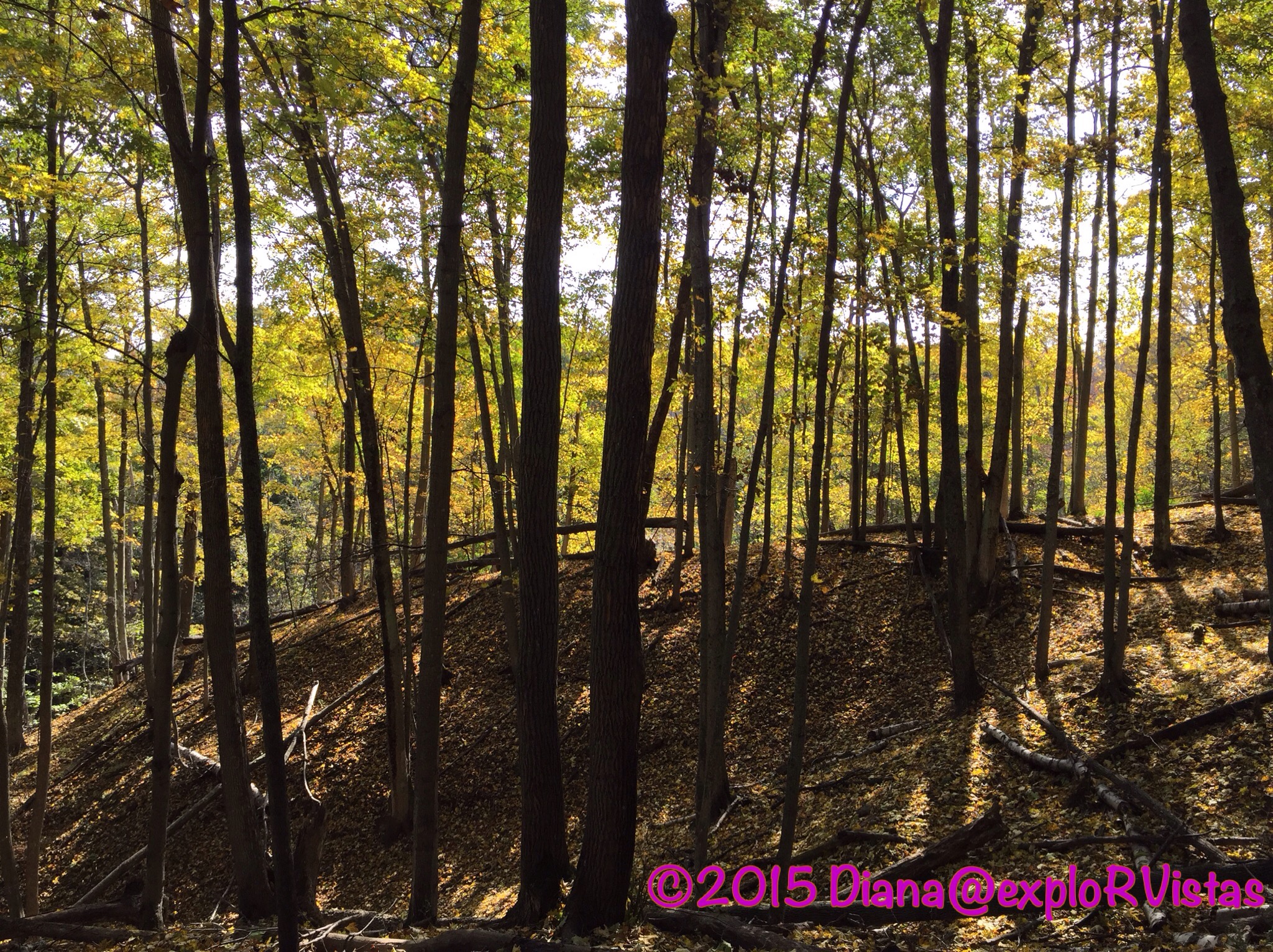
To our delight, the trails were a bit more primitive than the trails at Sleeping Bear Dunes National Lakeshore.  There are 1.5 miles of trails on the 100 acre property, with an elevation gain of 150 feet.  As you are able to see in the photo, the leaves were still very green on October 14th on the peninsula.  Just 10 miles inland from the lakeshore, the trees were well into their colorful autumn cycle.


There were a few wildflowers in bloom.  I attempted to photograph them with my iPhone, but I wasn’t very successful.  This area is said to be full of trillium in the spring.


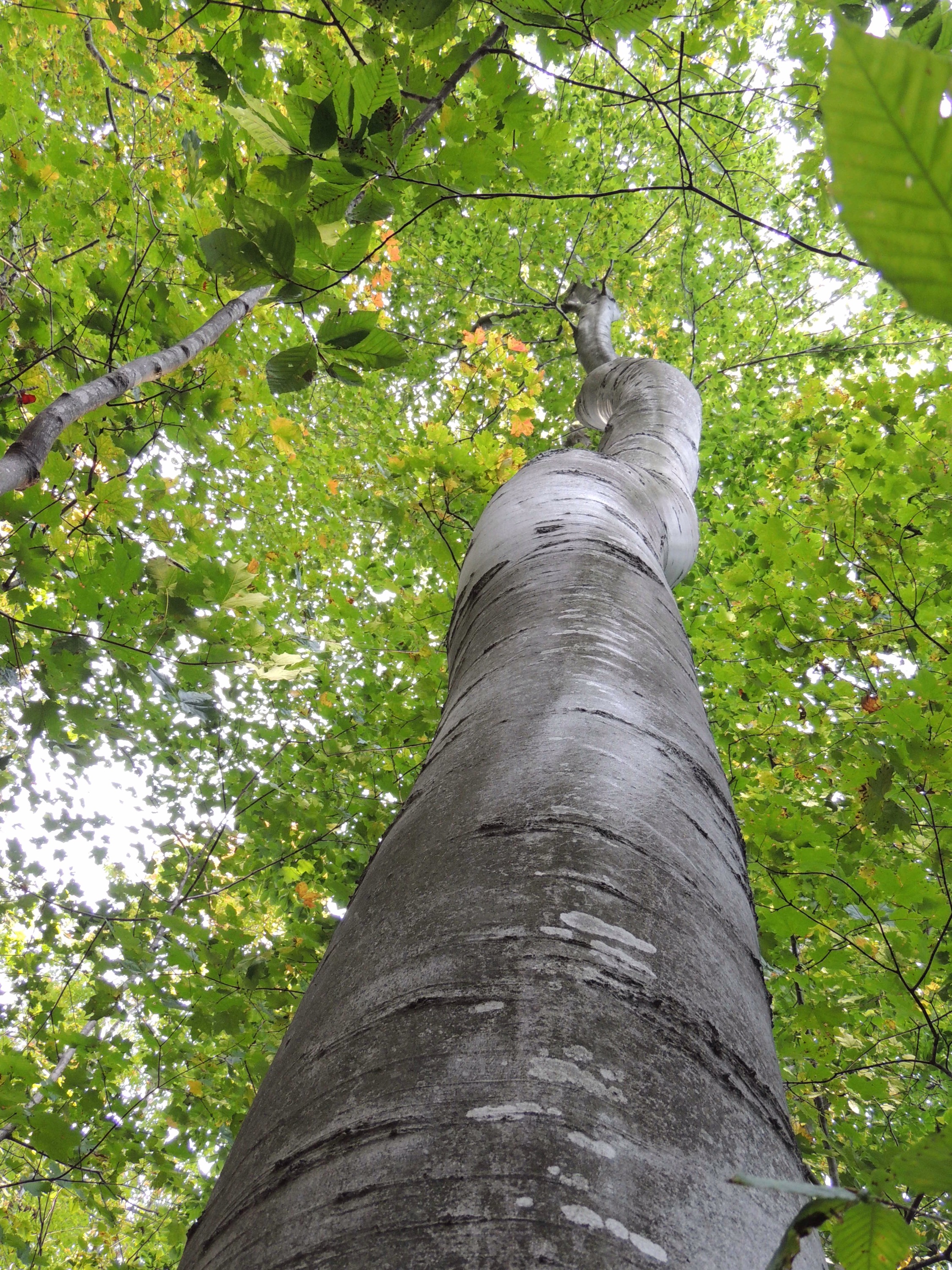
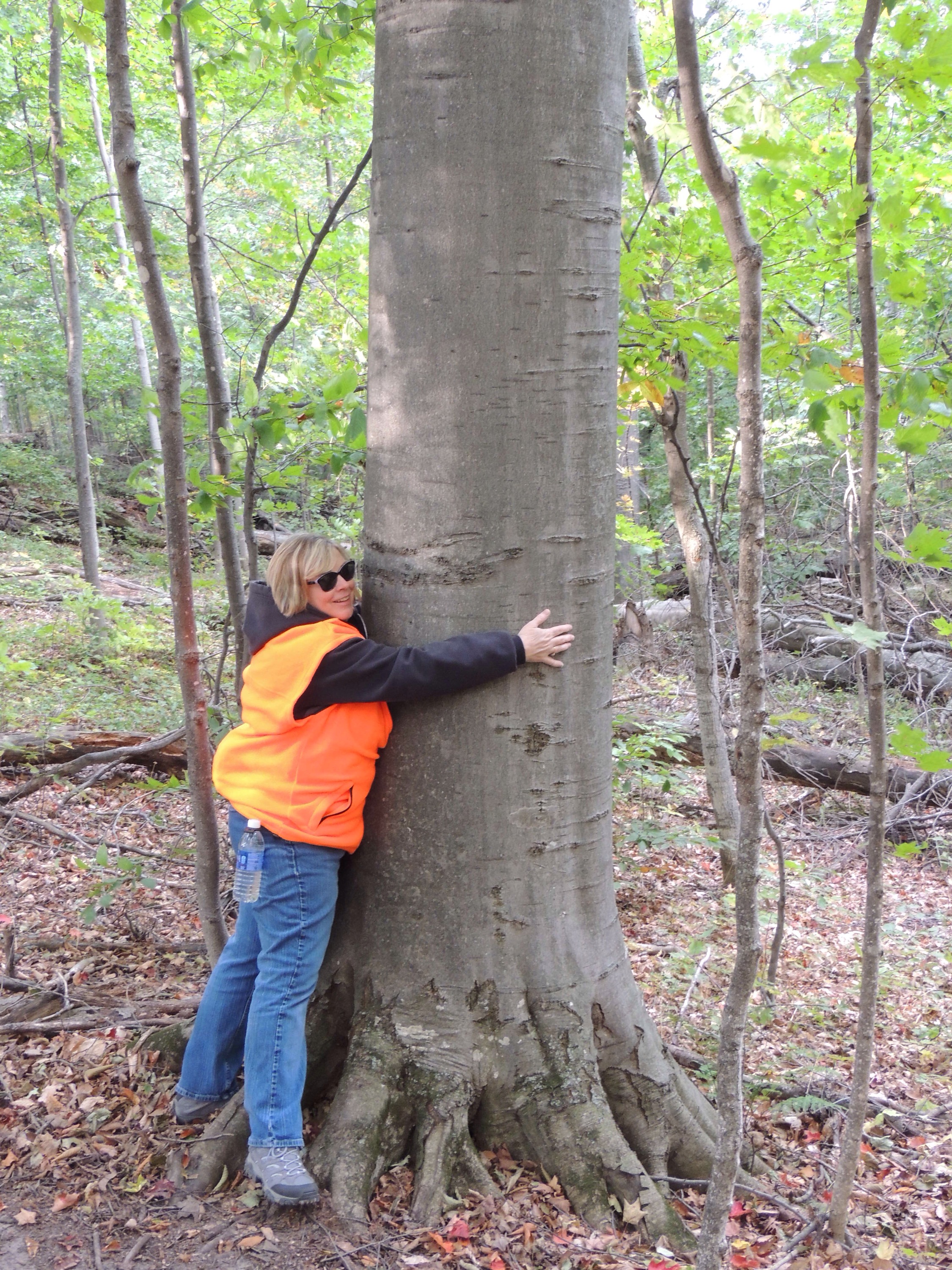
We spotted this large beech tree and were intrigued by the twists and turns it has had to make in its struggle to seek sunlight throughout its life.


Diana gave the tree a big hug in honor of David from the blog In the Direction of Our Dreams, who is currently struggling with health issues.  He loves to wrap his arms around tree trunks, and Diana has been wanting to send him her best wishes for awhile now.  If you get a chance, send David a little love through your favorite tree.  🙂


Upon reaching Lake Michigan, the observation deck appeared along the trail.


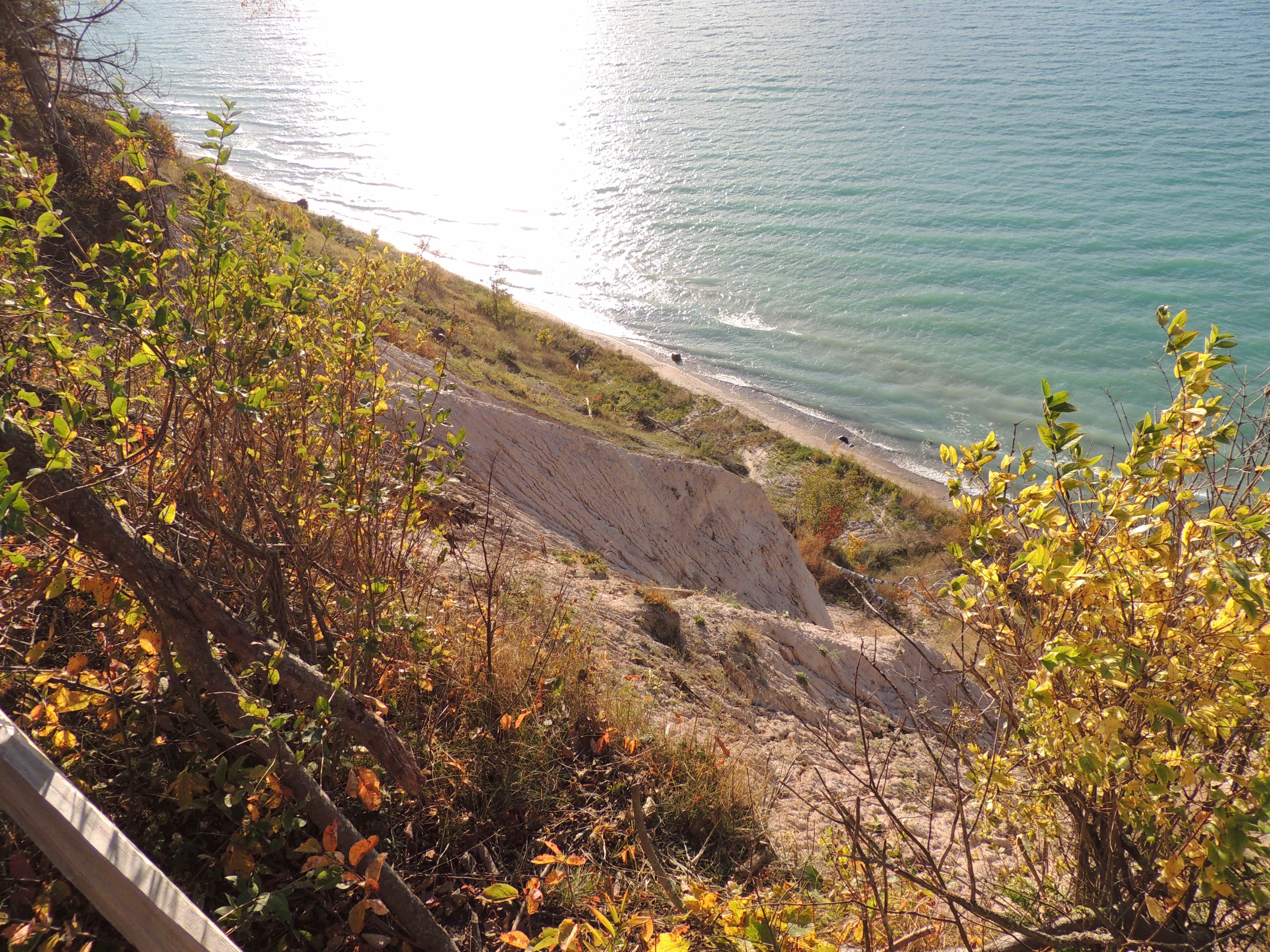
The deck extends out over the clay cliffs that the natural area are named after.  While this is a glacial moraine like the rest of the peninsula, the sculpted clay formations here are different than are found at other locations in the area.  The typical composition of the land that makes up Leelanau is sand and gravel, while clay is found in high concentrations at this preserve.


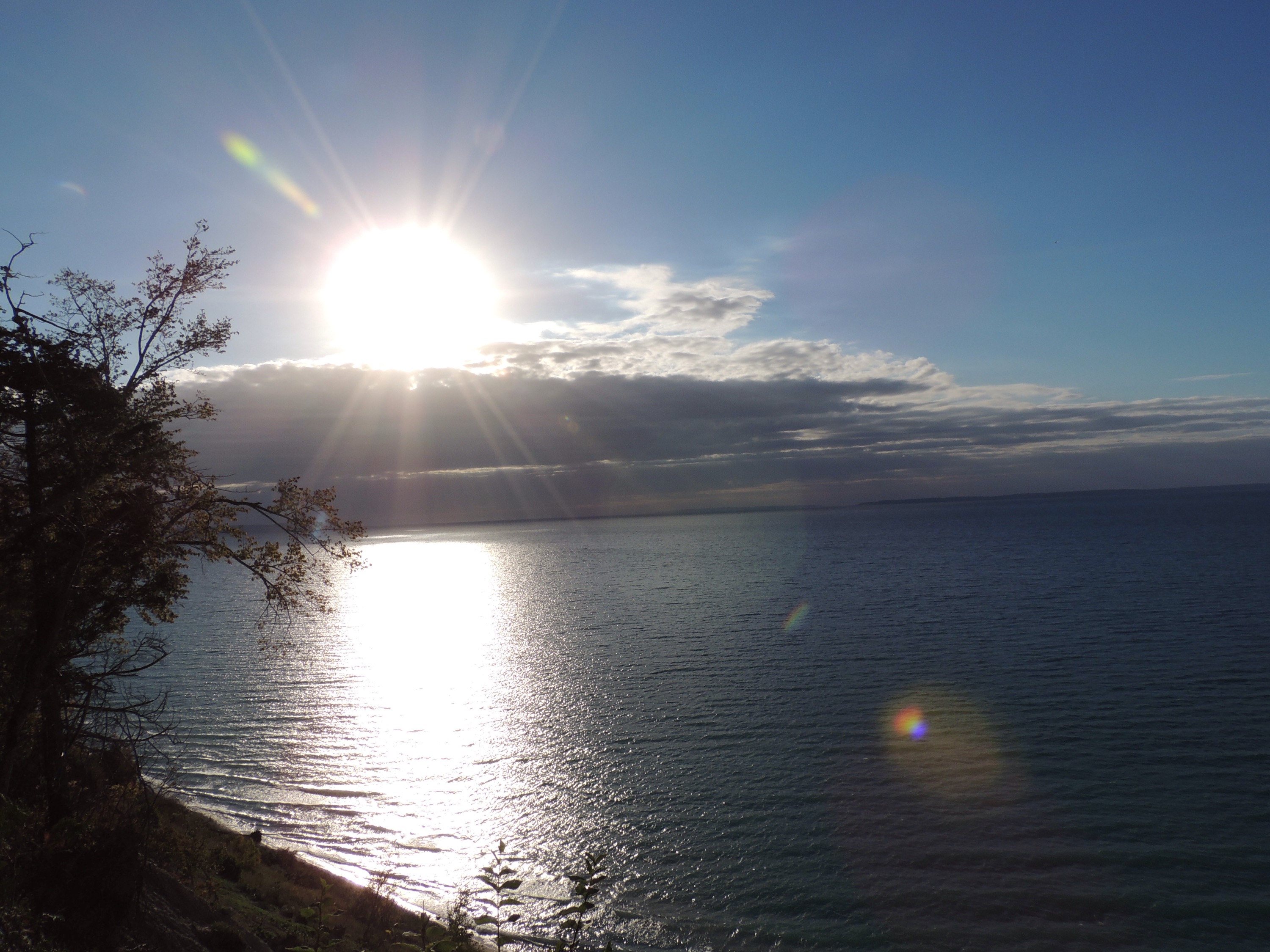
Looking southwest, the line of fast approaching clouds signaled that we made it just in time!  🙂

Click here for a short video of the overlook.  North Manitou Island is seen to the right, and South Manitou is off to the left.  Both islands are part of Sleeping Bear Dunes National Lakeshore, and are within Leelanau County’s borders.  Interestingly enough, 86% of the county’s 2532 square miles is water… the second highest percentage of any county in the United States. Top billing goes to Keweenaw County, Michigan at 91%, primarily due to the amount of Lake Superior between the mainland and Isle Royale, which is part of the county.


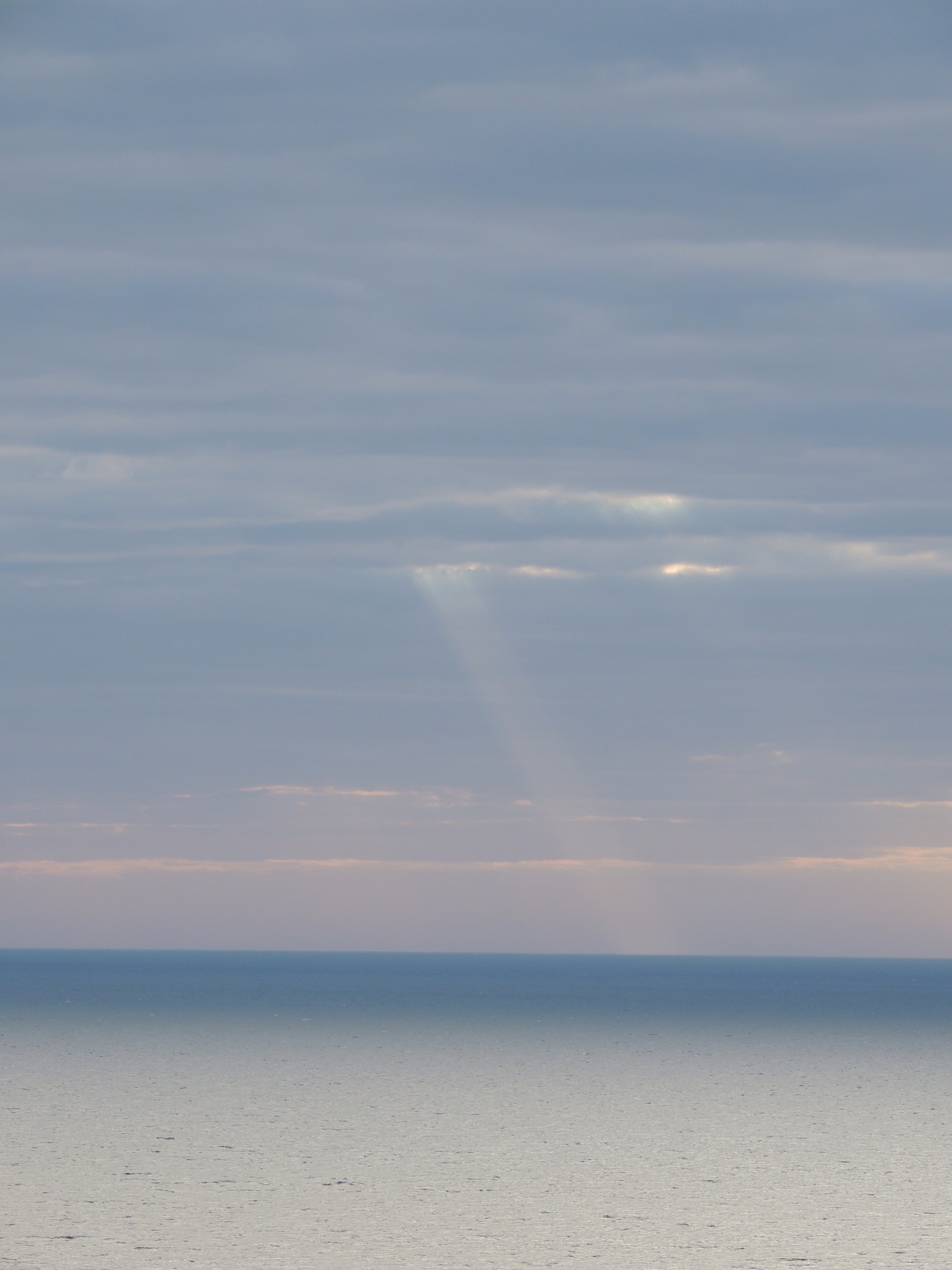
Once the front came closer, the sun created several beams of light over the lake.  Looking at the radar on my phone, I saw that there was rain in those clouds.  We decided to skip the southern loop of the trail and head straight back the way we came.  Lane and Patti had taken the southern route a few weeks before us and found some huge puff mushrooms, where the trail transcends from forest to meadow.  We will have to look for those at another time.


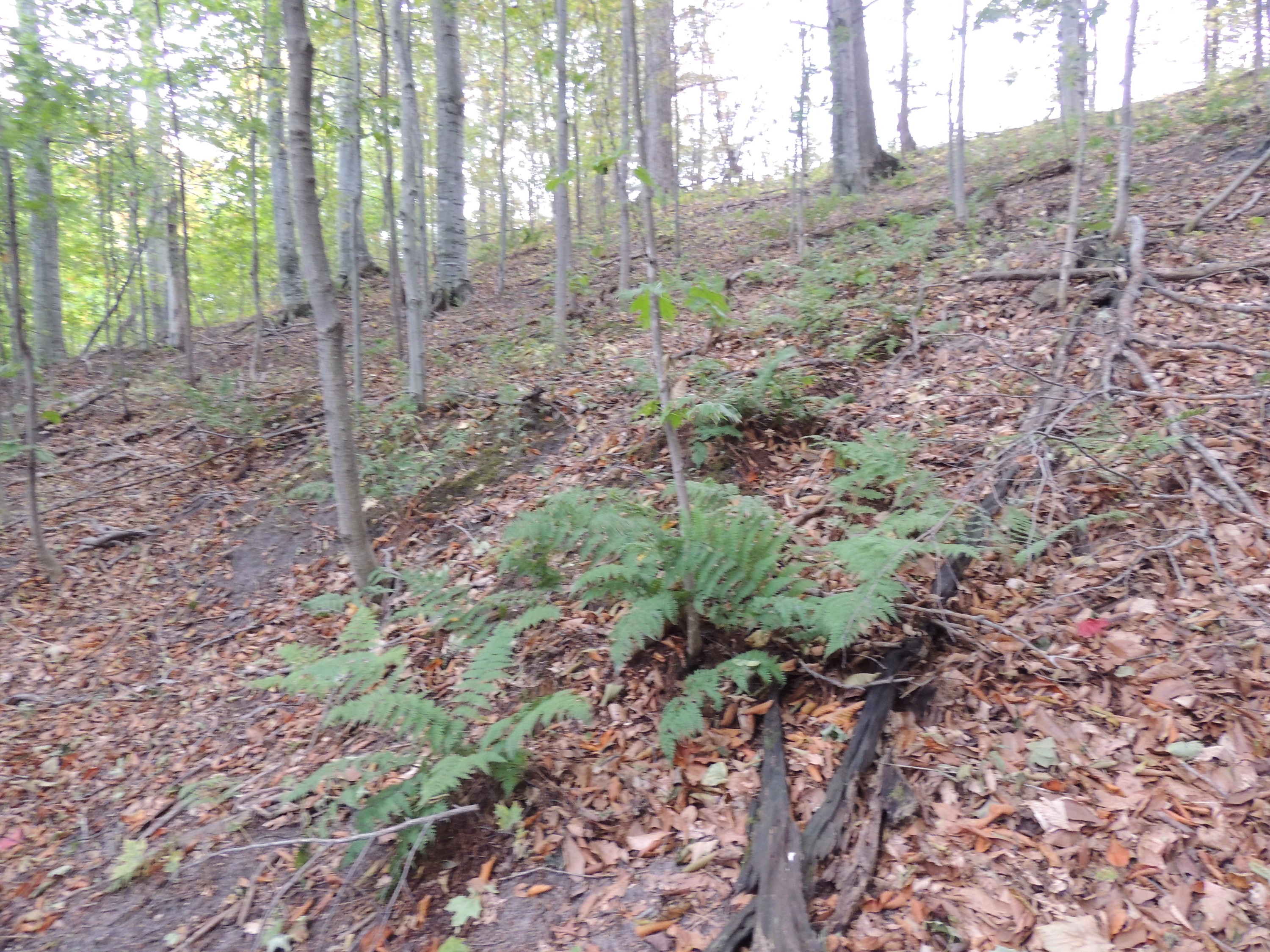
 We did take note of the green ferns in the forest, though.  Most ferns in Michigan are brown by October.
Clay Cliffs opened up an entirely new facet of Leelanau that we weren’t aware of.  We look forward to discovering more of the areas being protected by the Leelanau Conservancy.
 

The Leelanau Conservancy 

  
One of our goals in becoming fulltime RVers was to better live out our motto ‘Don’t just see it…BE it!”  We’ve always done our best to be a part of where we were visiting during our weekends and summer vacations, but we felt that goal could never fully be accomplished until we could actually spend some quality time in each place.  This summer, the time we have spent on the Leelanau peninsula has proven that to us.  We had been coming here for years,  visiting wineries and exploring the Sleeping Bear Dunes. We honestly were concerned that we had covered the place prior to this summer, and that we would grow tired of being here after six months. Those concerns were soon eased. Leelanau had not revealed all it’s secrets in our past visits…not by a long shot.

Enter the Leelanau Conservancy.

Back in the middle of the twentieth century, this peninsula was a sleepy agricultural domain, dotted with small villages.  Sleeping Bear Dunes had yet to be designated a national lakeshore.  Few people knew of the natural beauty that exists up here.  Even fewer people understood what would happen once the masses discovered Michigan’s little finger. Ed and Bobbie Collins are two of those people.  They purchased Leland’s historic Riverside Inn in 1980, restored it, and then operated it until 1988.  They became concerned with the subtle development pressures that were beginning to mount, following the establishment of Sleeping Bear Dunes National Lakeshore.  They established the Leelanau Conservancy, a non-profit organization aimed at preserving the land and water resources on the peninsula.  Their goal was to not only protect undeveloped natural areas outside the national park, but to also preserve the area’s rich agricultural heritage.  To date, the conservancy has preserved over 19 square miles of Leelanau County’s 347 square miles of land.  16 square miles are secured with conservation easements, while the other 3 square miles are natural areas owned by the organization. Add to that the 90 square miles protected by the federal government at Sleeping Bear Dunes National Lakeshore and you end up with over a quarter of the county protected from development.  And when the land under the villages and roadways is deducted from that remaining square mileage, the unpreserved square mileage starts to shrink. As a result, we aren’t seeing housing developments being built on the tops of the hills, and there is still only one traffic light and one fast food franchise (a Subway in Suttons Bay) in the entire county.


All too often, prime farmland in this country is sold to developers for housing.  The high prices offered to the farmers are just too hard to resist.  This is where the conservation easements become such a key factor in the Leelanau Conservancy’s efforts.  The way they work is like this:  the difference in the value of the land between agricultural and subdividing it for homes is determined.  The landowner enters into an agreement with the conservancy and attaches a conservation easement to the deed that forever restricts the land from being used for anything other than agricultural purposes.  1/2 of that difference is acquired through federal grants secured by the conservancy and is paid to the landowner.  An additional 1/4 is paid to the landowner by the conservancy itself.  The final 1/4 is donated by the landowner themselves, even though no money effectively changes hands on that portion. They are then eligible for tax breaks on their property for doing so.  The land is still theirs to farm and to sell, but the value is permanently diminished, as the deed will always carry the development restriction.  The important thing here is that, while this land is pretty to look at, it is also a highly unique microclimate on the 45th parallel that is prime for growing cherries, apples, hops and grapes.  Over half of the nation’s tart cherries come from this region.  As older farmers decide to retire, the younger farmers are able to afford to purchase land that would otherwise be too expensive.


And you can only imagine what the cost of the land is after Good Morning America and USA Today recently showcased the area.

So the next question is: where does the conservancy get its money from?  Donors….lots and lots of donors. The last annual report online lists ten pages of donors.  People up here are serious about keeping development out and protecting this agricultural jewel.


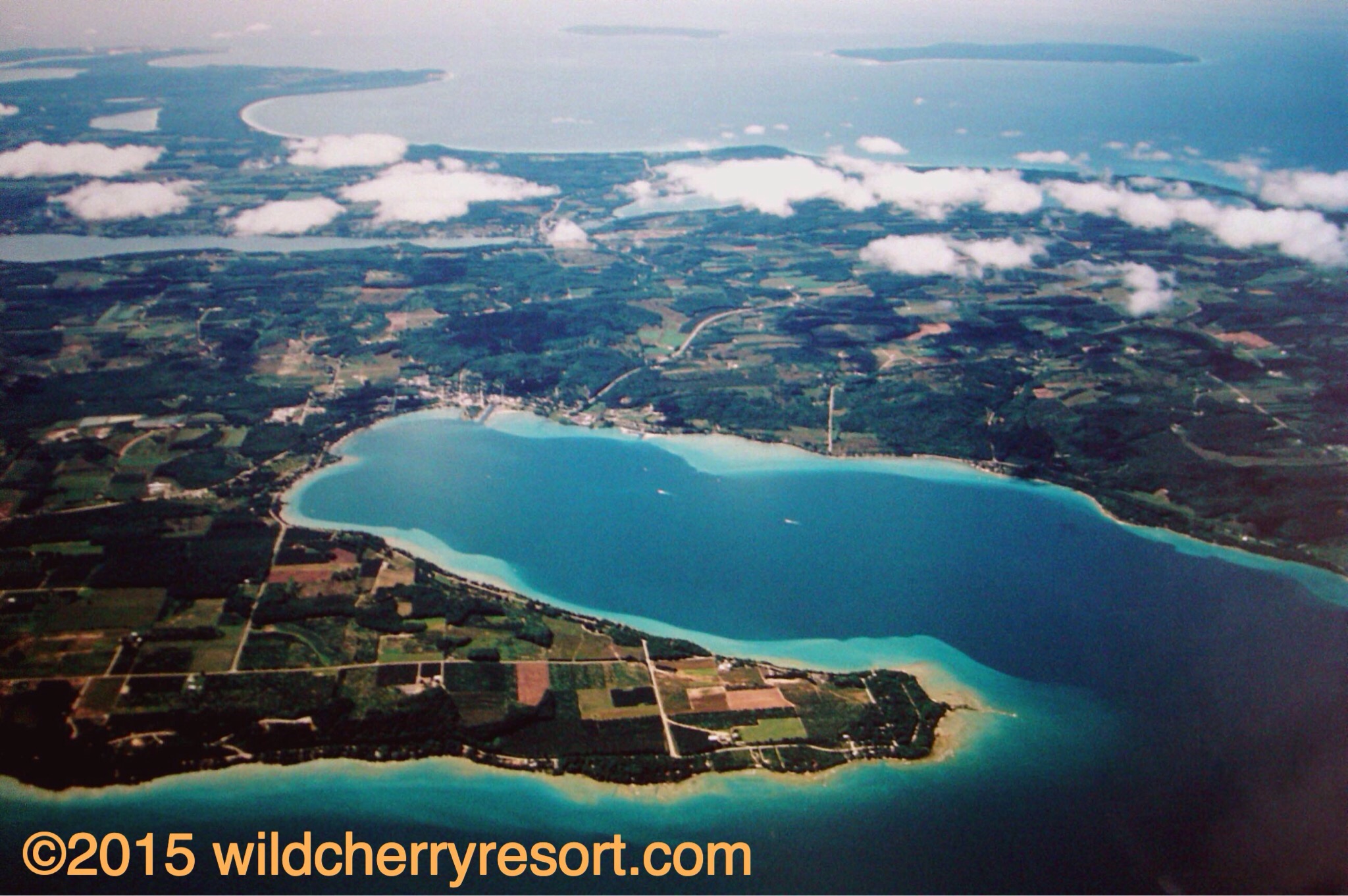
An aerial view of the area shows how important the Leelanau Conservancy is to the county. That sleepy peninsula from the middle of the last century?  For the most part, it still exists.  In many places, farms still run to the water’s edge.  Existing structures are consistently renovated.  Agriculture is found in a place you would least expect to find it. Yes, there are a few pockets of unwise development, but they are more the exception than the rule.

Over the next few posts, we will showcase some of the natural areas that the conservancy have been able to protect.  The past few weeks, we’ve been able to hike the trails at three of these preserves.  What we’ve found has impressed us, as these areas are much more rugged and wild than the trails in the national lakeshore.  

Are there similar conservancies that you have discovered in your travels or in your area?  We would love to hear about them!

Hauling Our New Trikes

One thing is for certain: we love our new TerraTrikes!  We knew they would be a challenge to transport though.  This post will show you what we came up with to solve this issue.

 
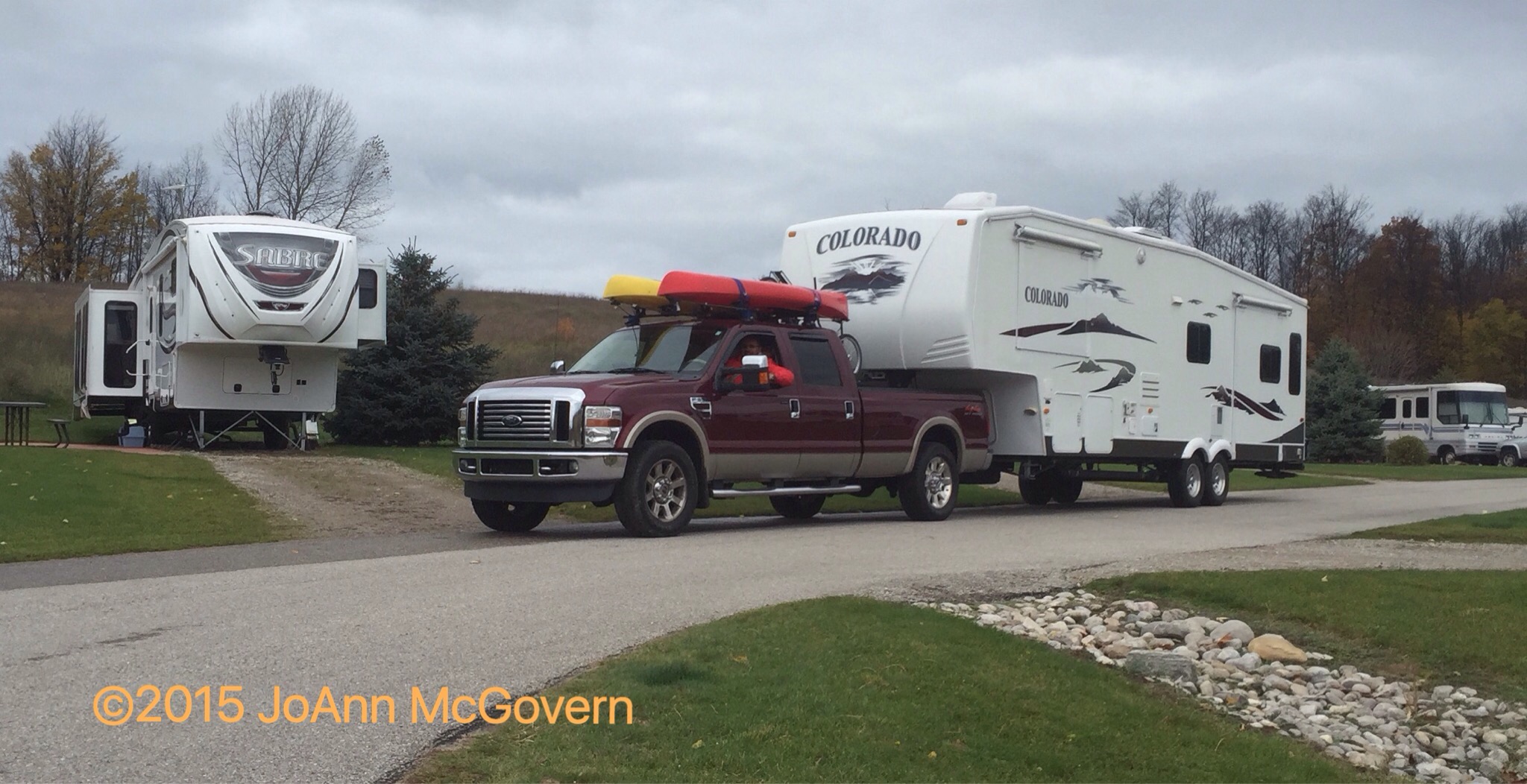
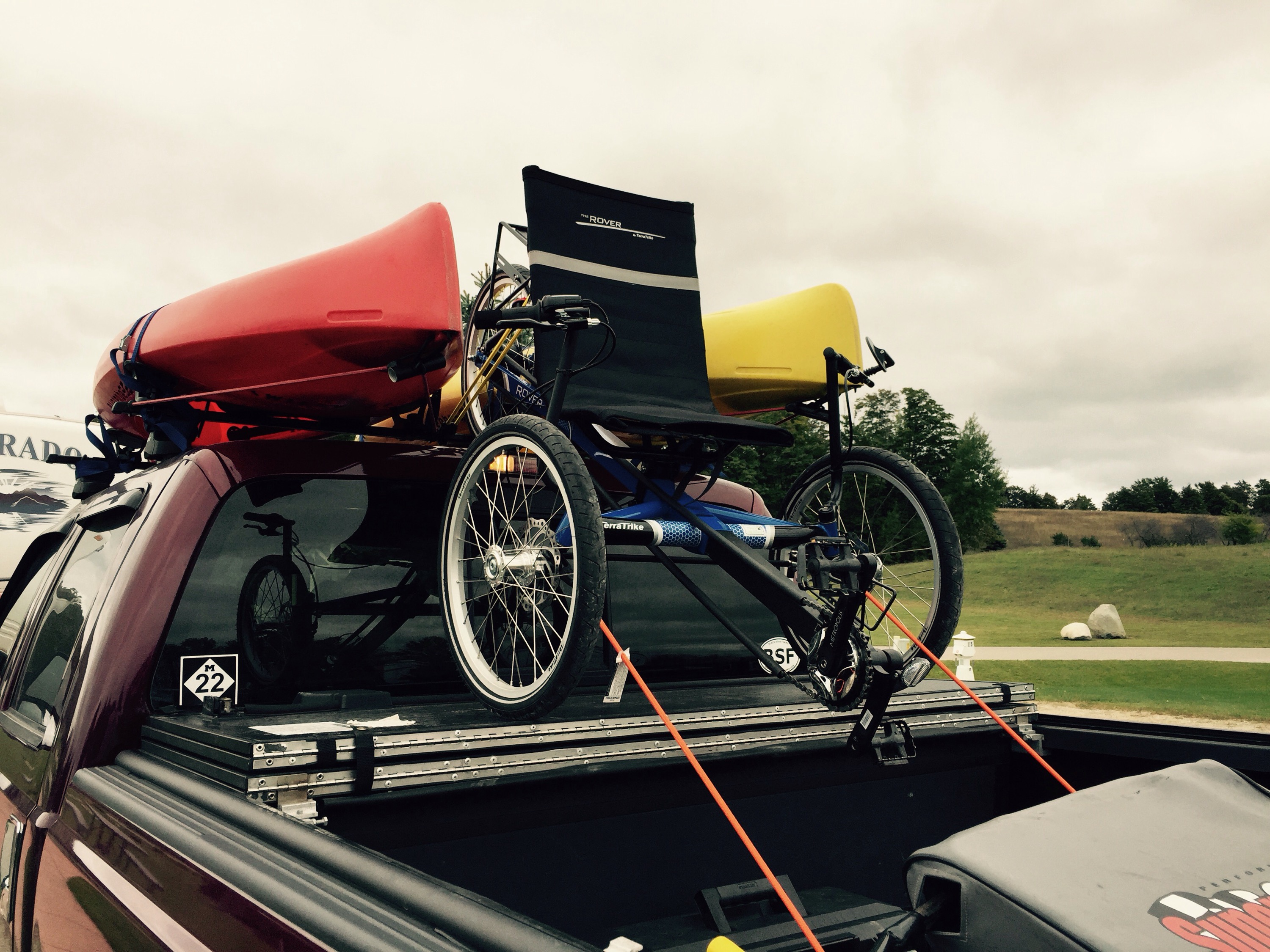
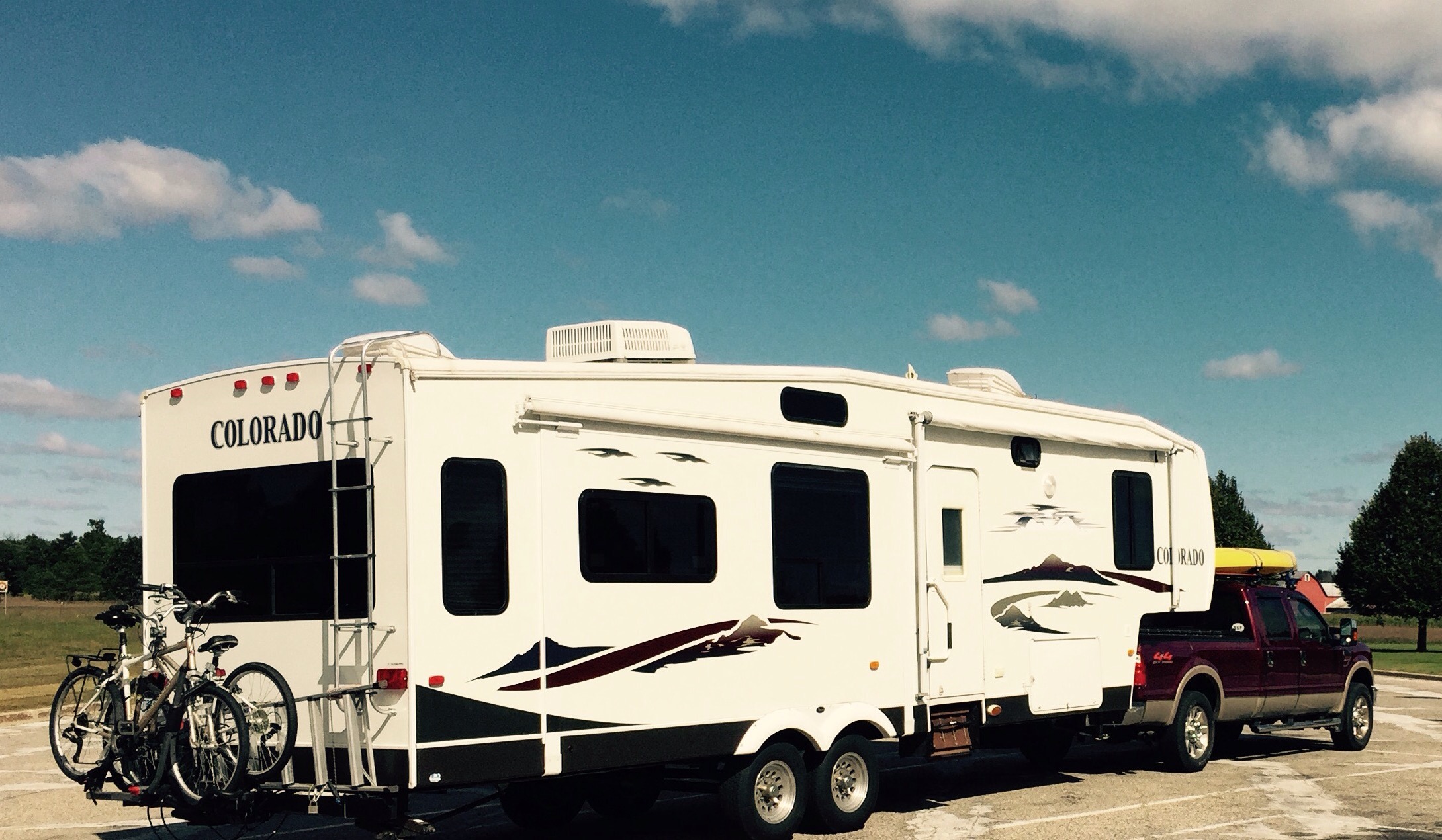
When we purchased Diana’s TerraTrike, it didn’t take us long to figure out how to haul it.  With the fifth wheel, we needed to get it out of the way of the hitch.  Mounted in the position above, it is safely in front of the trailer.  We’ve since purchased a TerraTrike rooftop kit from Suttons Bay Bikes, which consists of three foam blocks for the tires, and two straps.  I use the straps in place of the orange bungees.  We also remove the seat fabric, which easily snaps on and off.  Trike #1…issue solved!

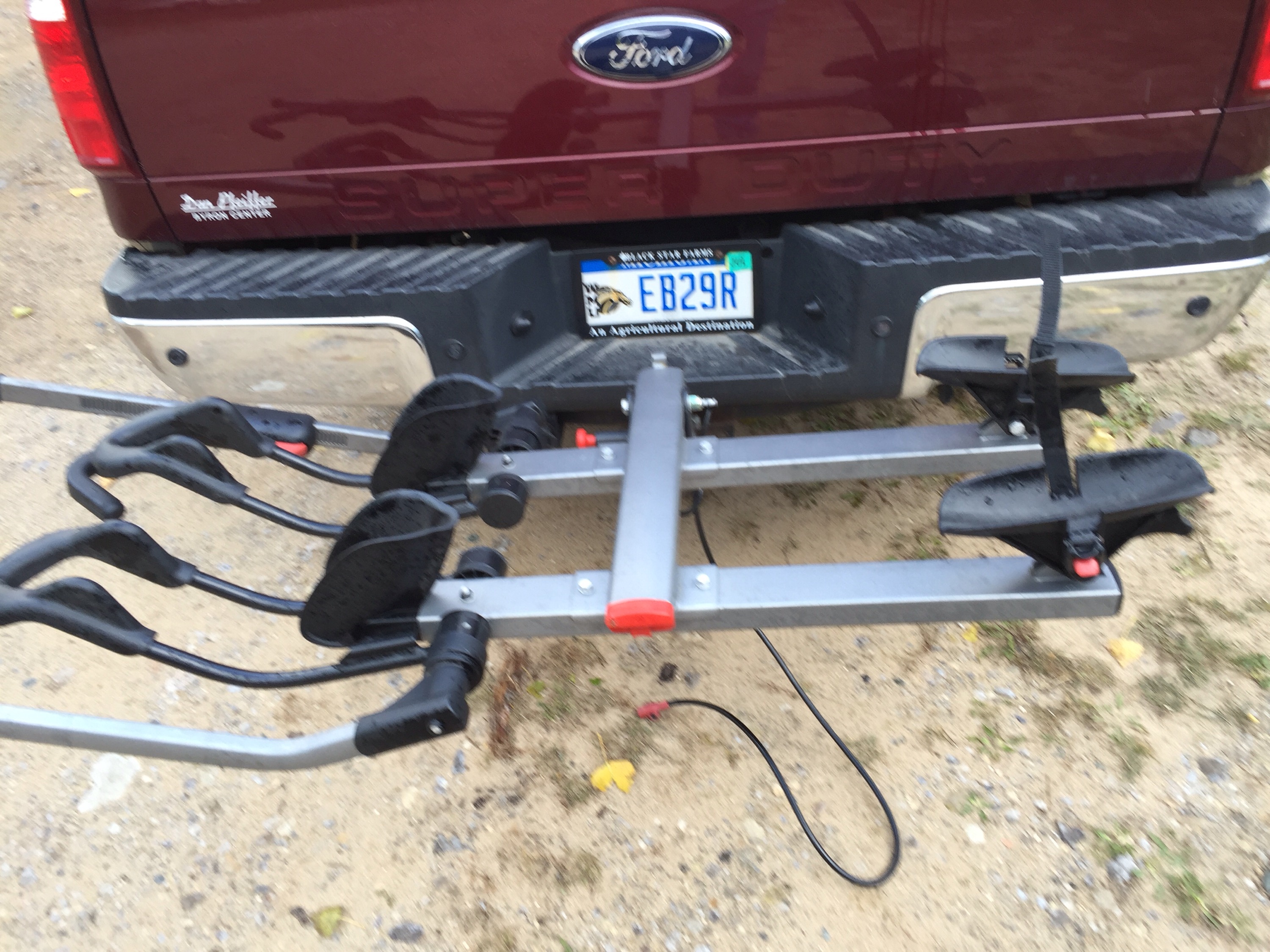
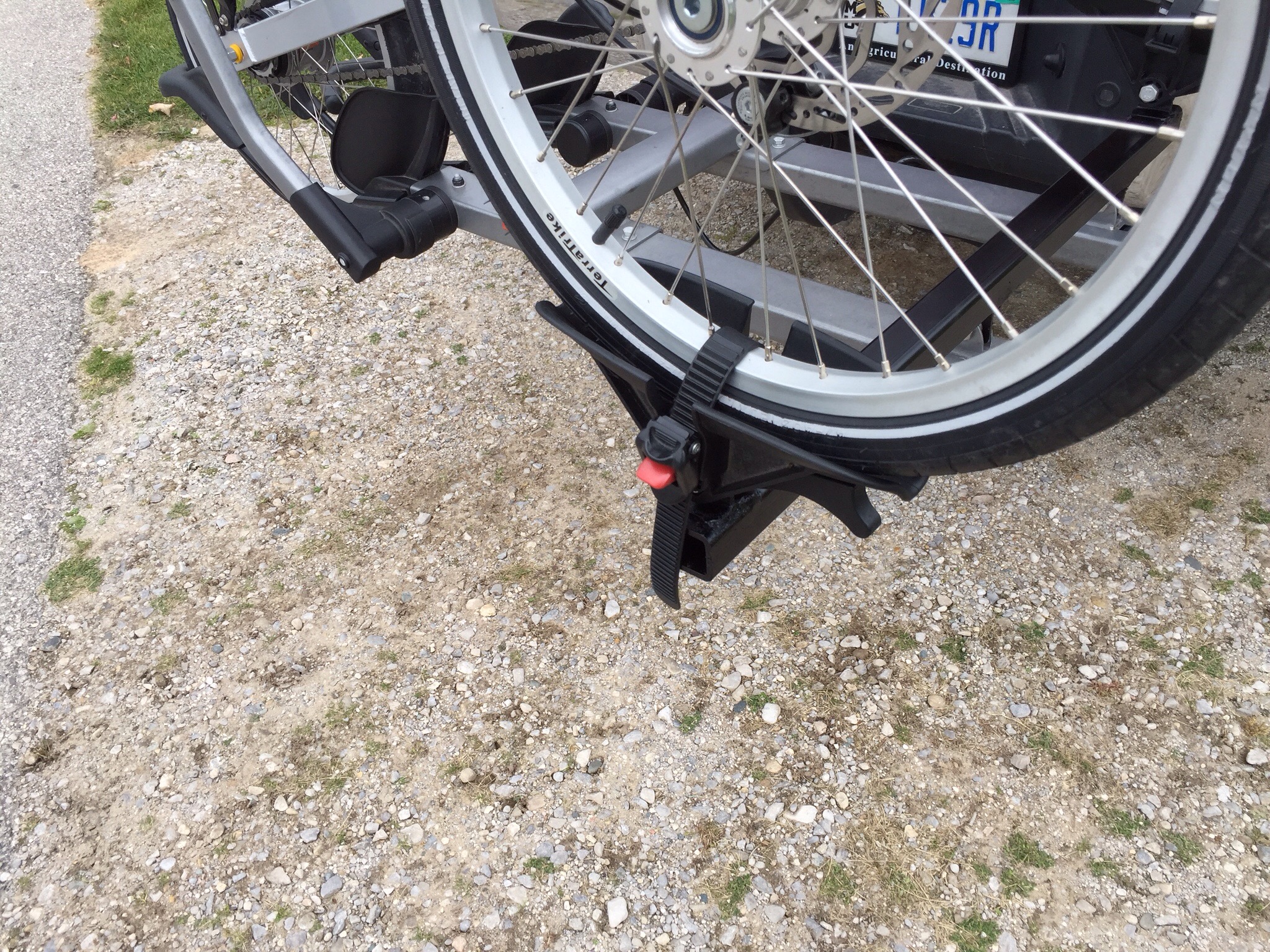
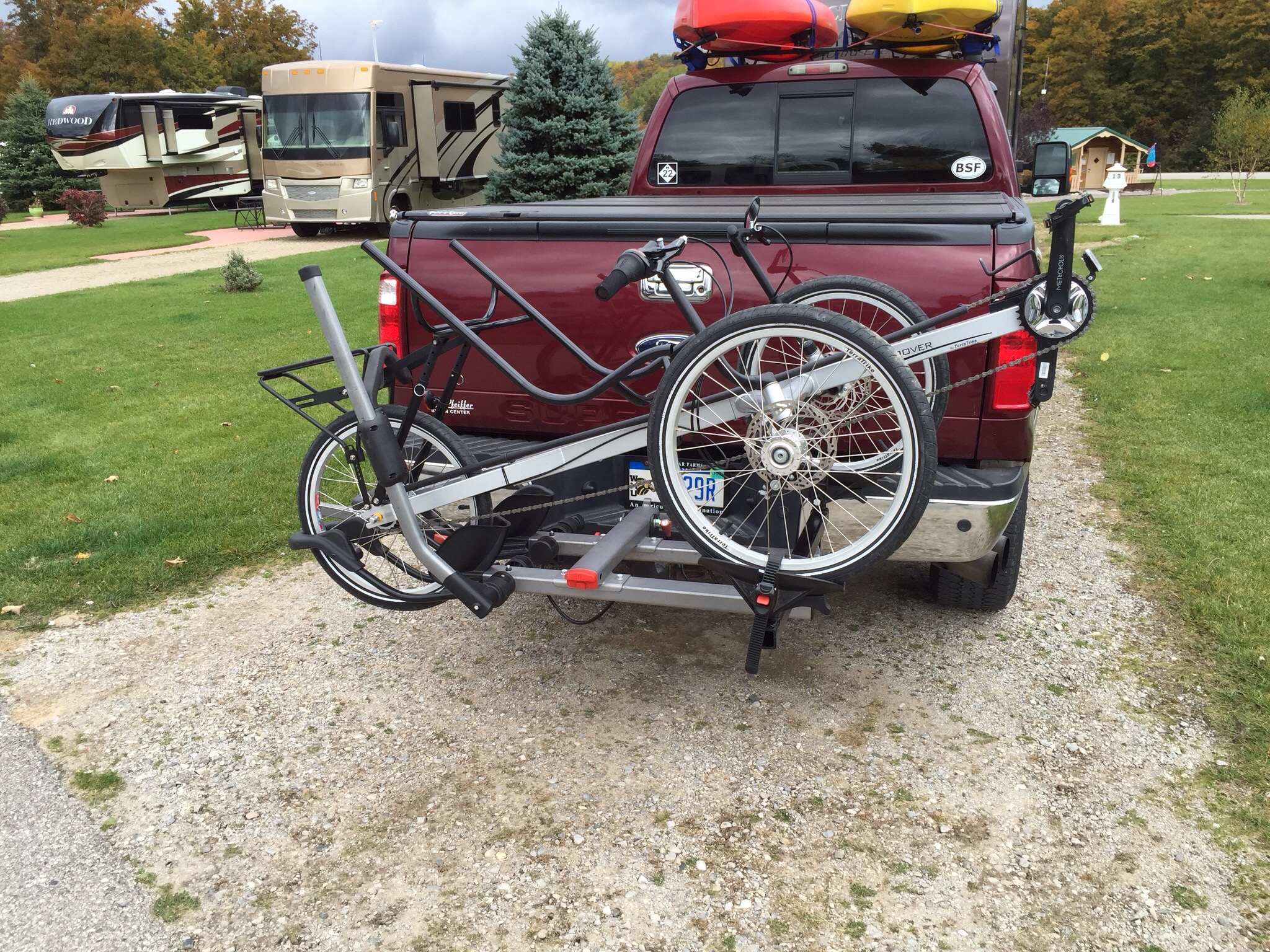
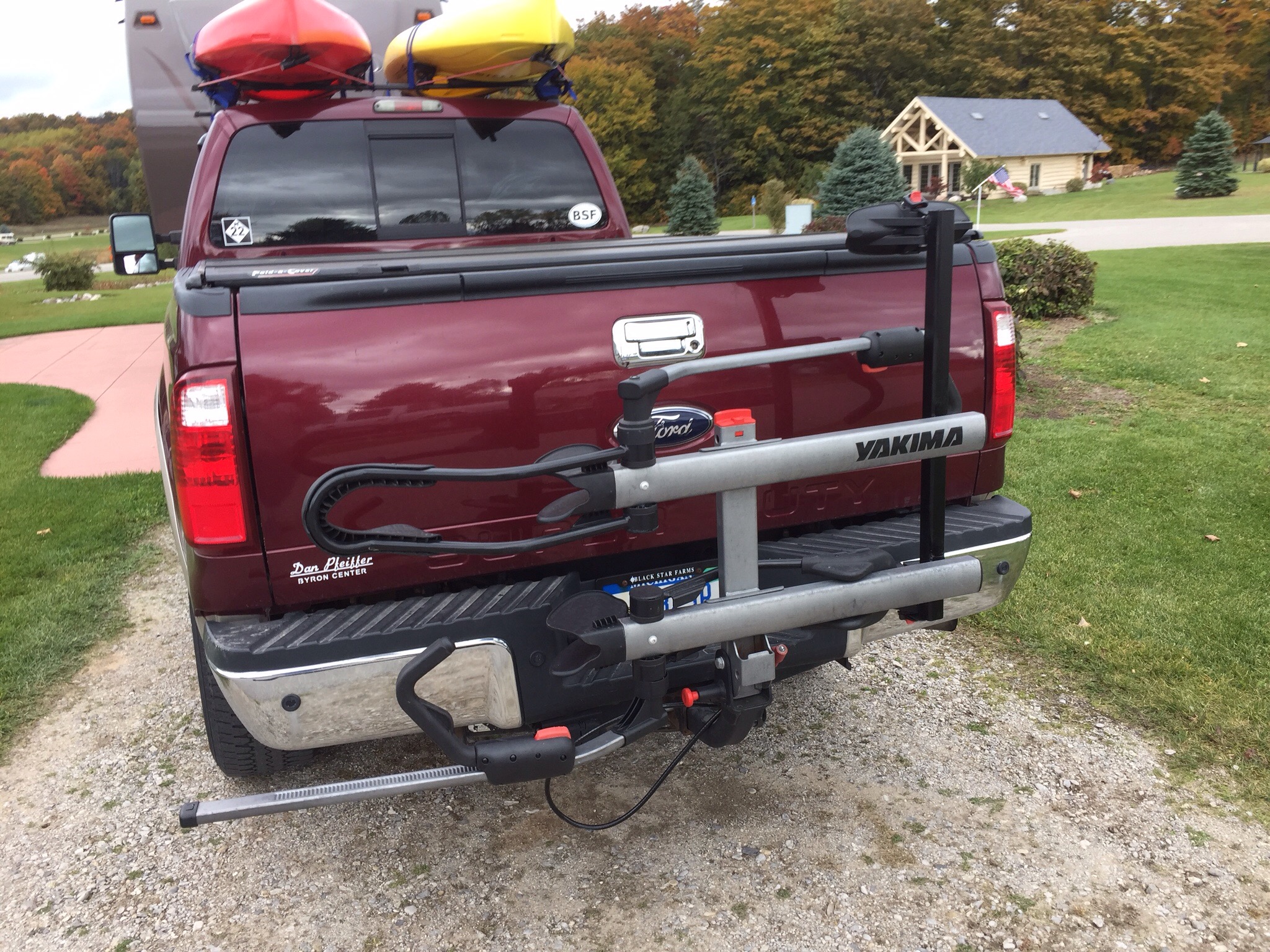
When I decided to also purchase a trike (as Pam from Oh, the Places They Go kidded with me, “I had a feeling this was coming”), Diana and I had to come up with a solution…and fast.  Our time at Wild Cherry is winding down for this year, and we now owned two trikes, two bikes and a two bike receiver-mounted rack.  We quickly sold the bikes on Craigslist…as in hours after I posted the ad.  That was a relief.  🙂   The rack is a very sturdy Yakima, and it has served us well on the back of the fifth wheel.  I took a long look at it, hoping to come up with a way to modify it for my trike…without losing the ability to change it back to a two-bike rack, if we needed to sell it.  Here is what I came up with:

  
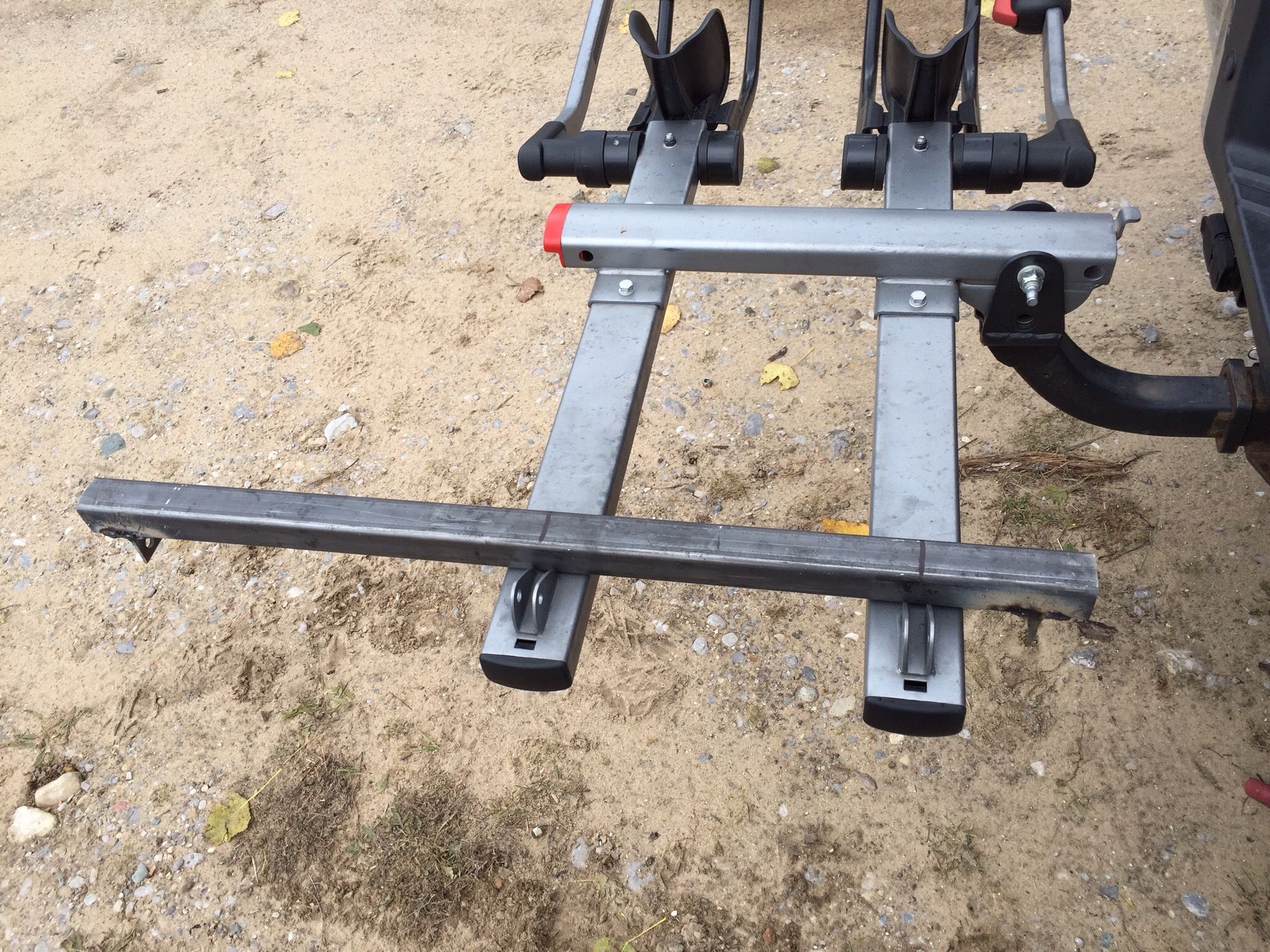
Here is the rack after I flipped the outer rail end to end.  It originally had one bike facing left and one bike facing right.  My goal here was to have both of the wheel supports on the right side in this photo to be aligned with each other.  The single rear wheel is going to ride in the left wheel support, furthest from the truck in this image. This rack also mounts to the back of the trailer, when the truck and RV are hooked up.

With the wheelbase of the two front wheels being 29-1/2″, the current 11″ spread between the wheel supports on the right wouldn’t work to support the front wheels. This is where the modification was needed.


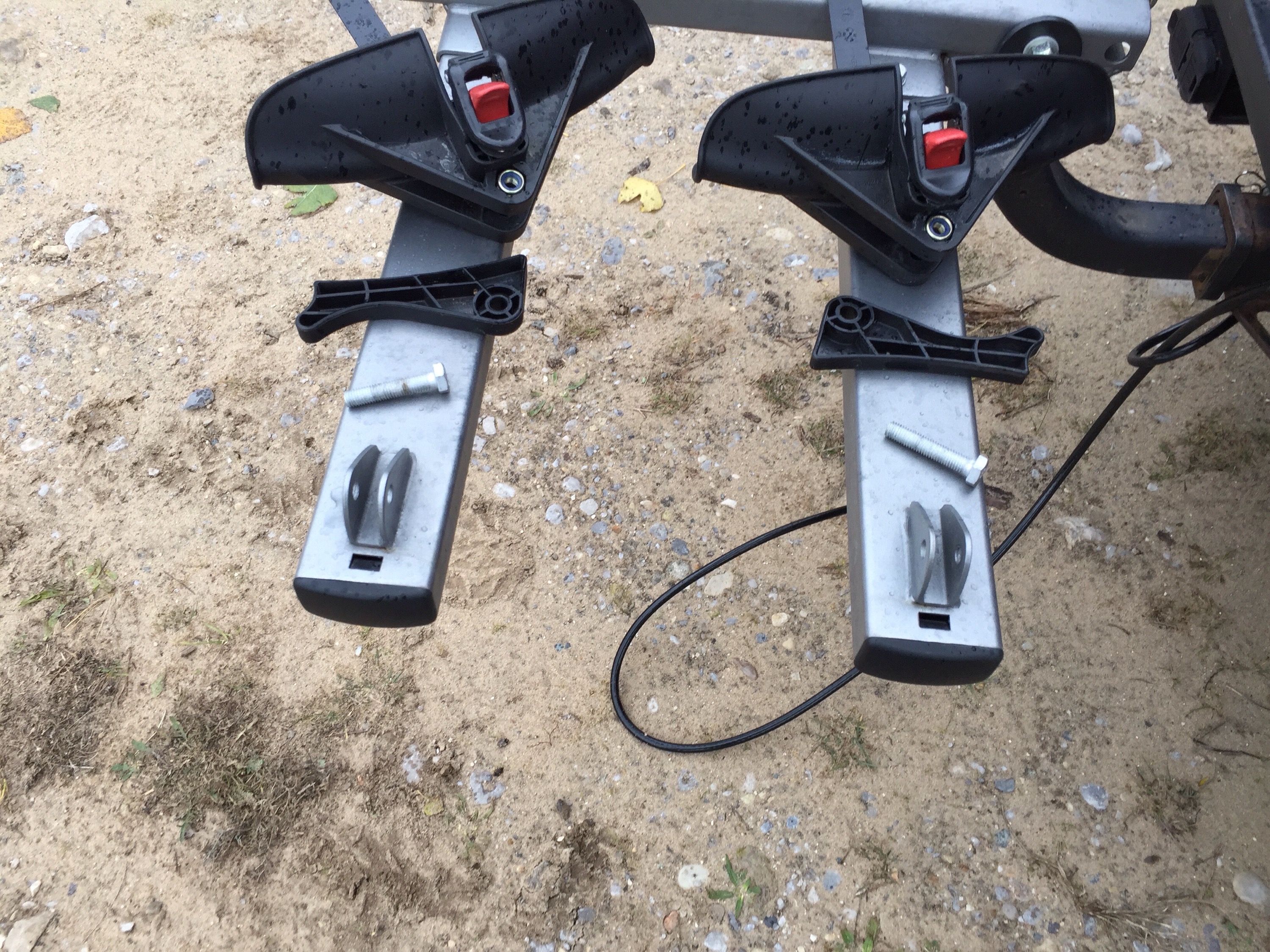
I disassembled the supports from the rack and set them aside to use later.

  
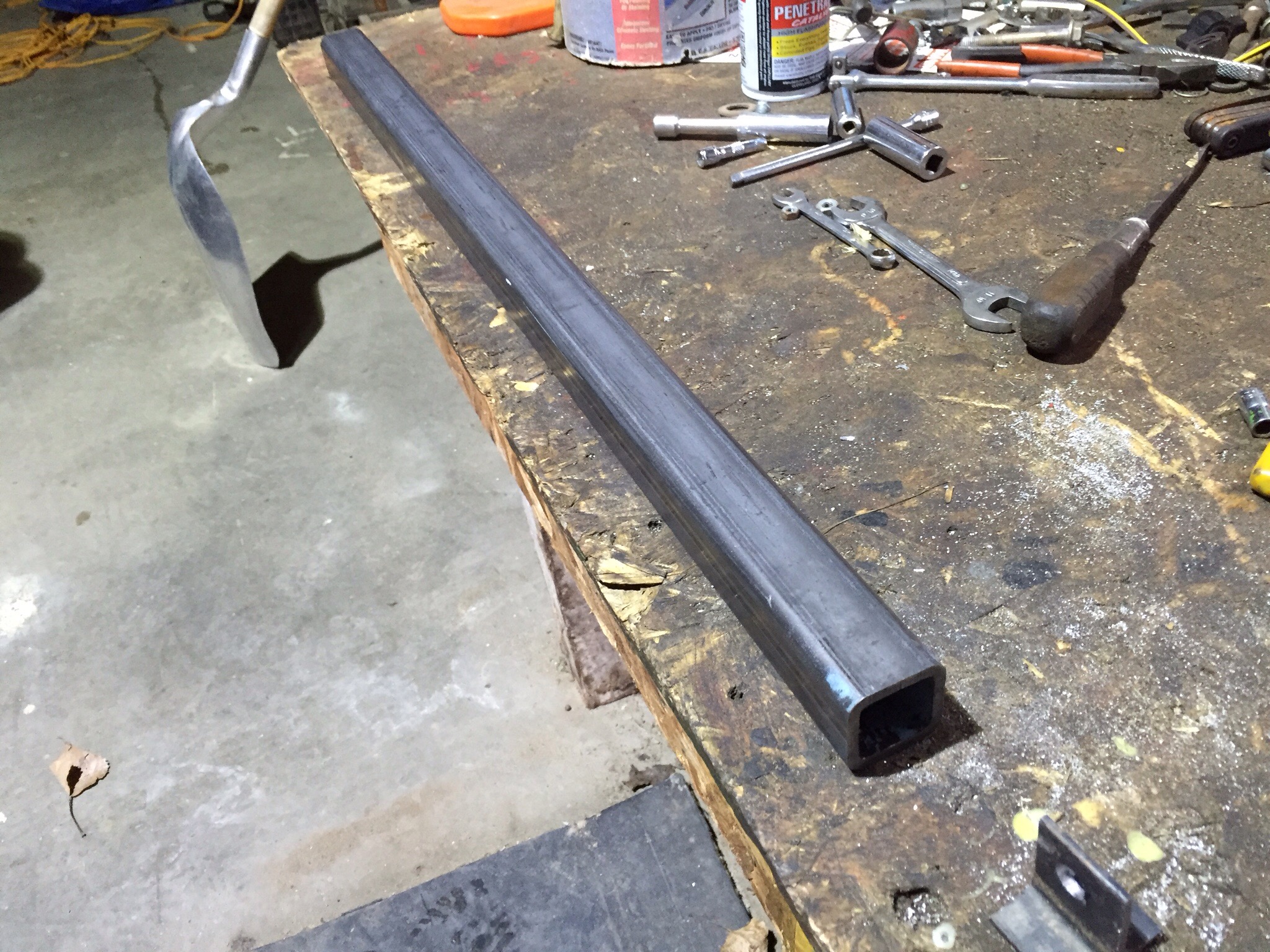
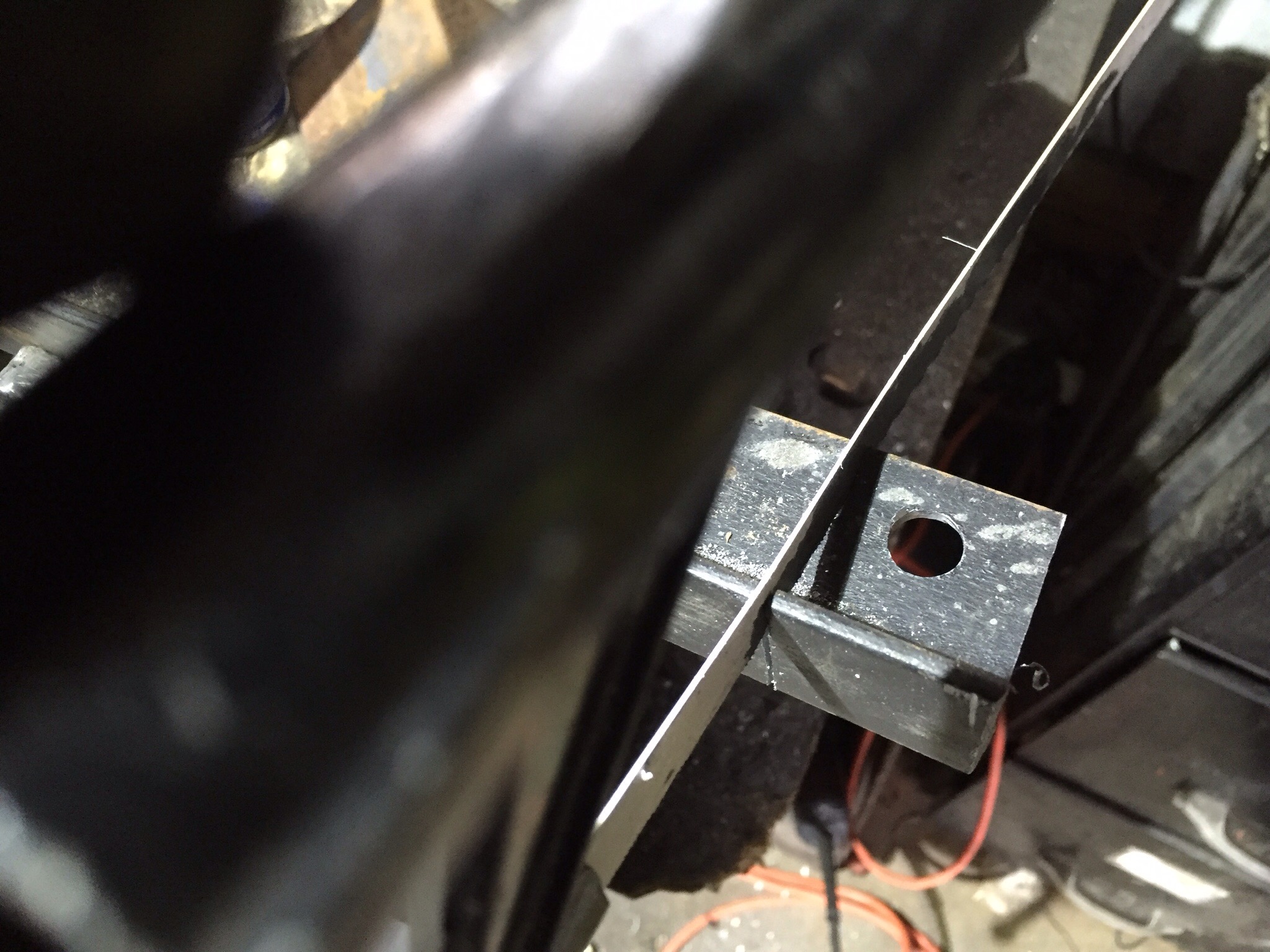
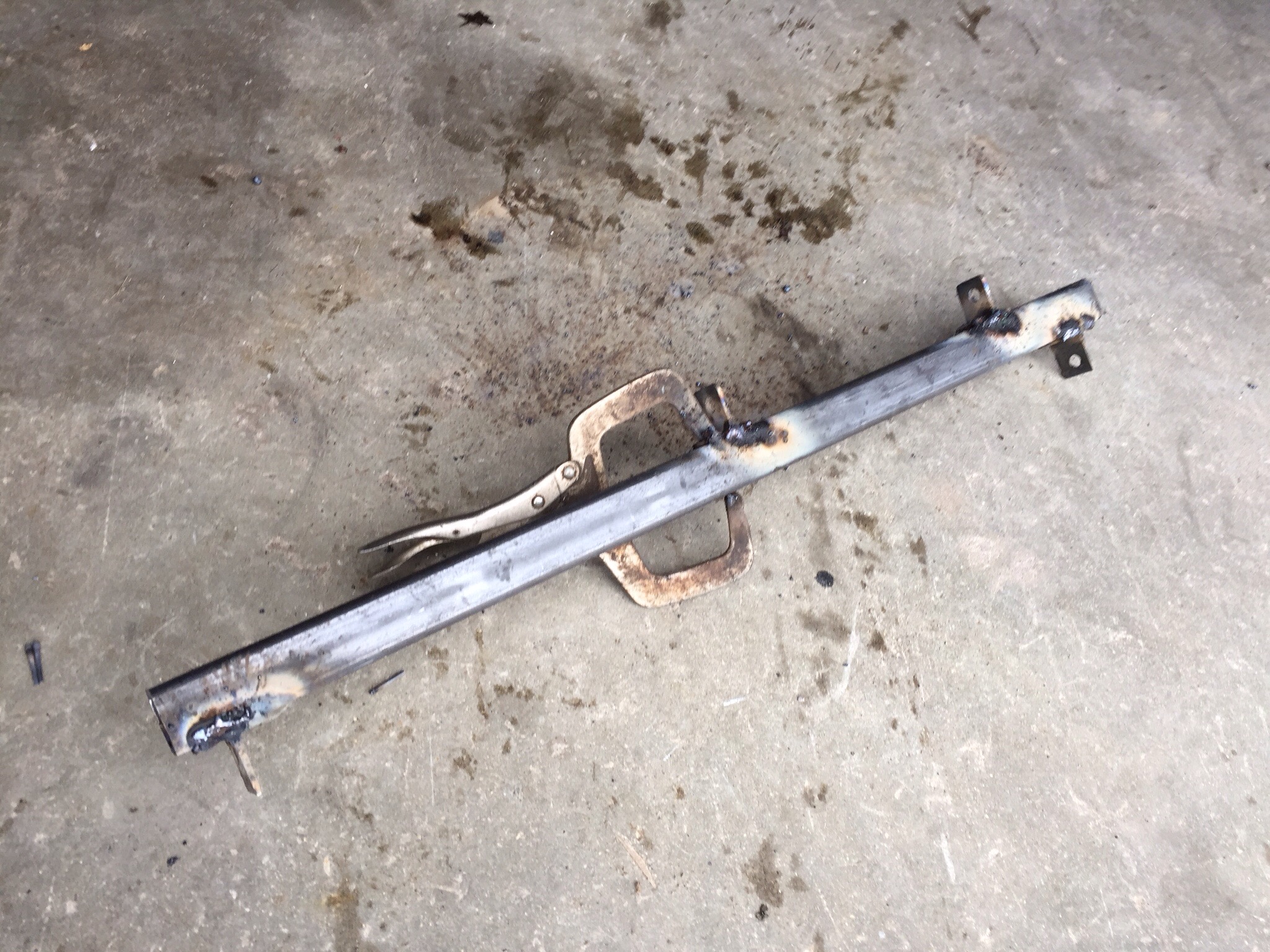
This is the piece of 1-1/2″ square steel tube I picked up yesterday at a Traverse City steel supply company.

  
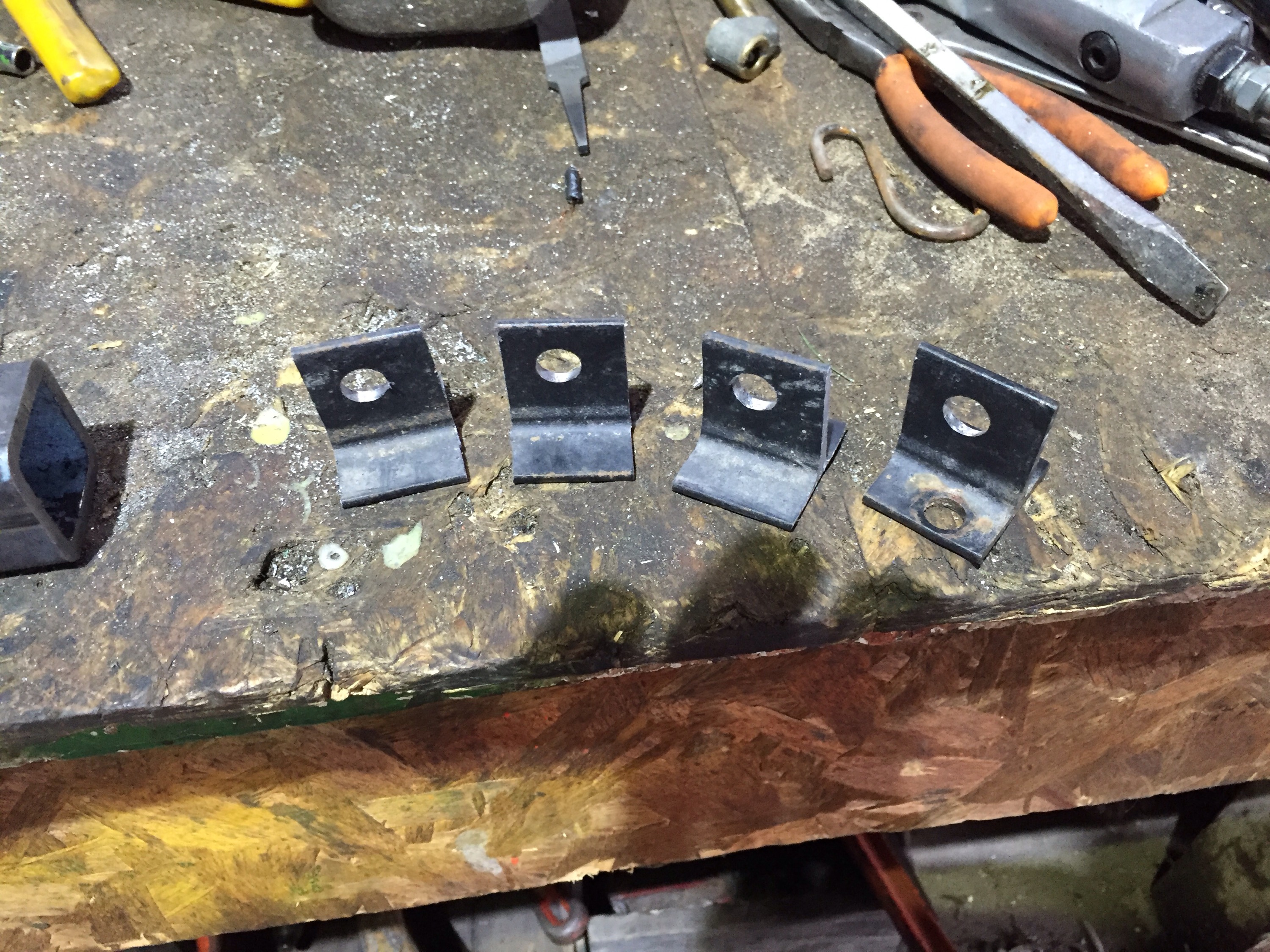
I cut and drilled four small pieces from some scrap steel that Jim (Wild Cherry’s owner) had on hand.  It helps that he is also a cherry farmer, as he has all sorts of equipment that he let me use.  🙂 Thanks Jim!

 
Here are the four pieces.  The steel was from an old garage door track, hence the extra hole in the one on the right.  That won’t affect anything.

  
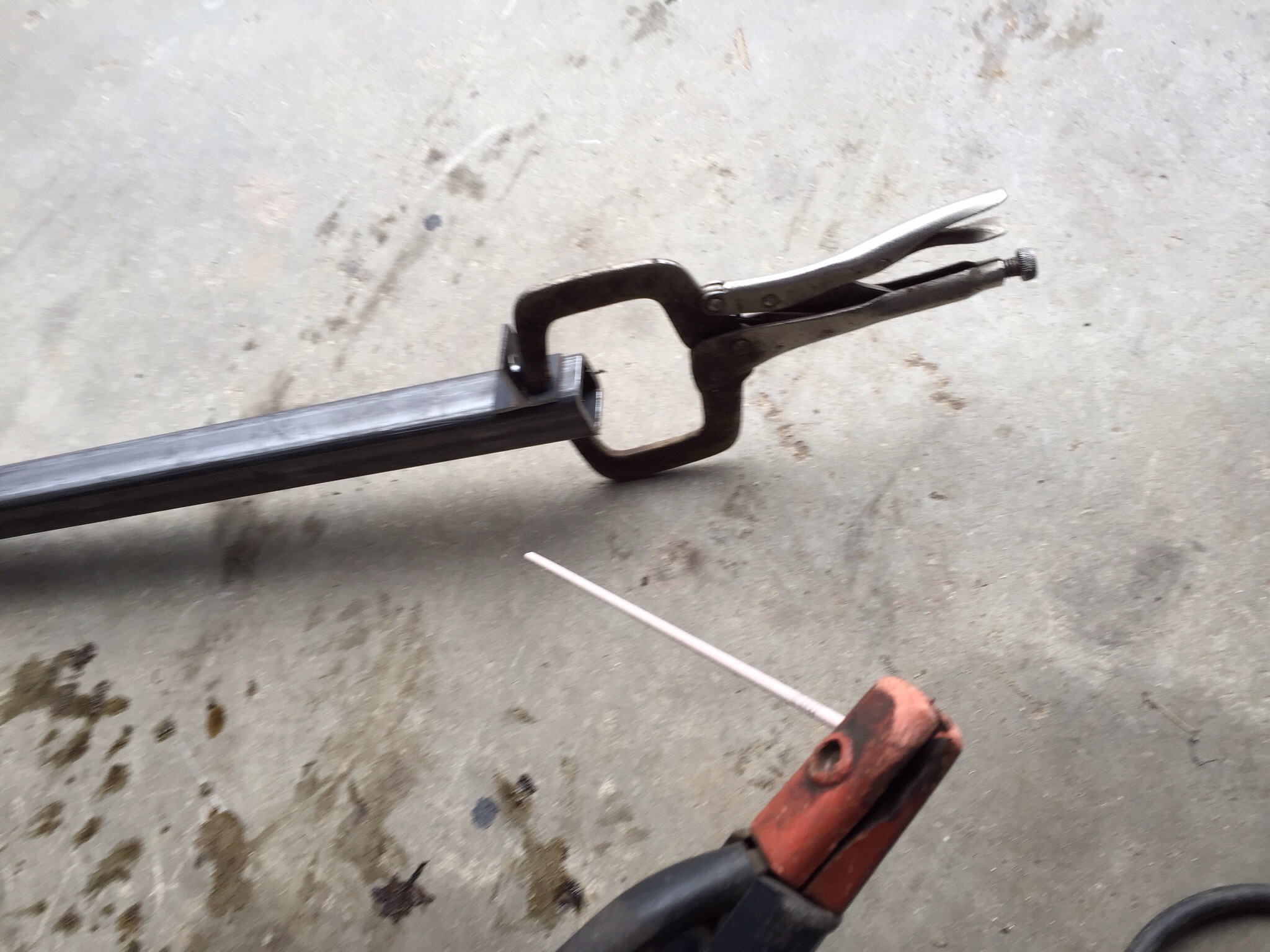
I then dusted off my welding skills that I hadn’t used in 35 years and fired up the arc welder….yes, Jim has one of those also!  I welded two of the flanges I had made on one side of the bar, the same distance apart as the wheelbase of the trike.

  
I then marked the center of the bar on the opposite side of the flanges.  I lined that up with the outer arm of the rack, as that is where the center of the trike was going to be.  I then marked the bar where it was going to attach to the inner arm…the mark seen here on the right.

  
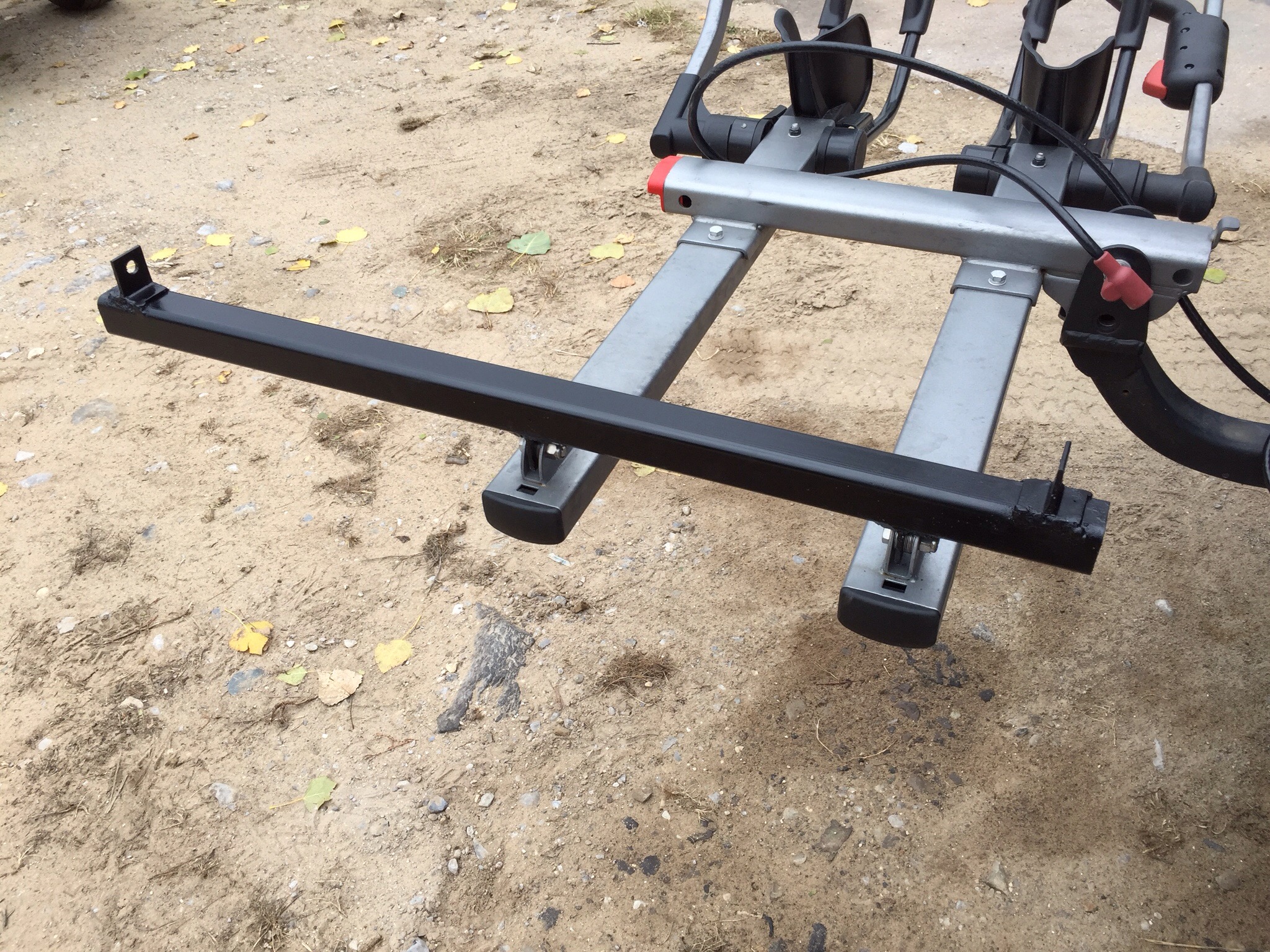
I then welded the two remaining flanges into position.  I cleaned up the assembly a little with a hand grinder…my welds were strong, but none too pretty.  :). Once I was done with that, I gave it a couple of coats of black satin Rustoleum.

  
I mounted the bar to the rack with stainless steel bolts and lock nuts. I used stainless steel washers as spacers to fill the void between the flange on the rack. 

  
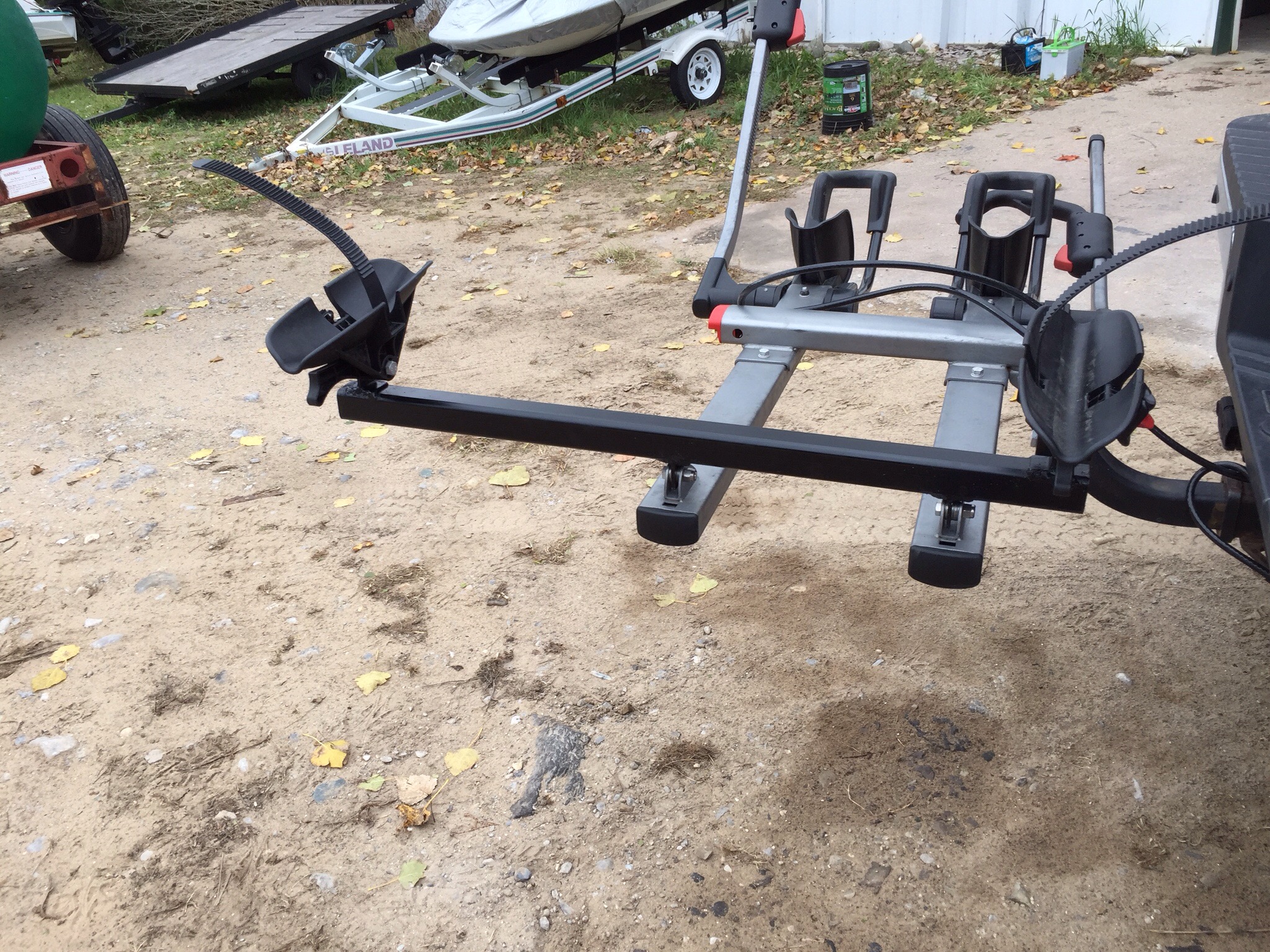
I then remounted the wheel supports in their new position on the bar.  All that was left now was to head back up to our campsite and try it with a trike!


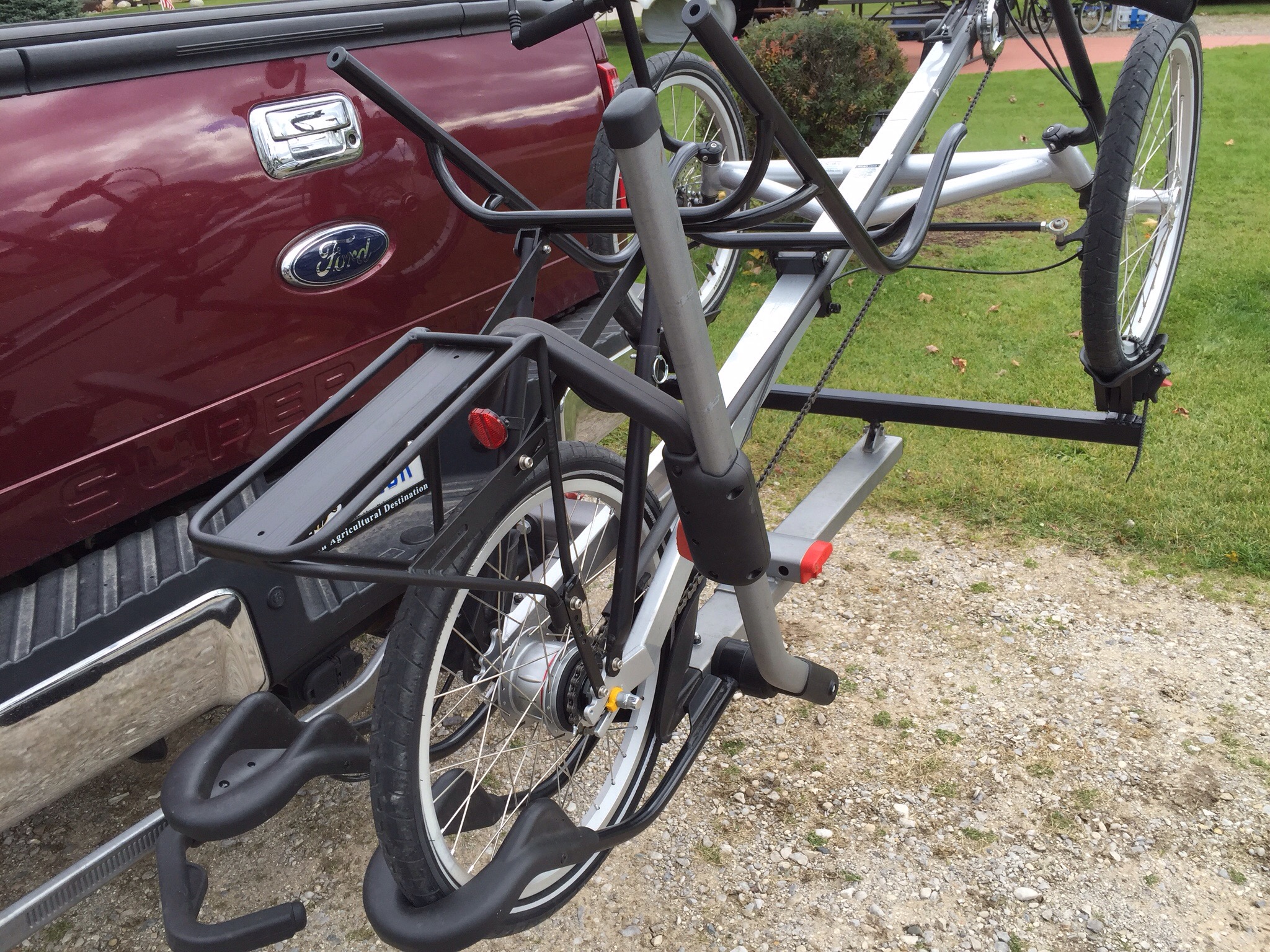
It worked!  Here is how the trike fits in the rack.

  
The wheels strap down, just as they did before.

  
Here is a photo from the back.  The one trike actually weighs less than the two bikes combined that used to ride there, so this setup should be very stable.

  
And when the trike is off, I am able to still fold the rack into its upright position.  If for any reason we ever want to sell the rack, all we have to do is bolt it back into its old position, discard the bar I manufactured, and it is good to go.

Trike #2…issue solved!

A Perfect Autumn Day at Sleeping Bear Dunes

Today was just about as perfect as a day could possibly get.  October in Michigan can be a mixed bag, weather wise, but today was begging us to come outside and play!  72 degrees, not a cloud in the sky, and a strong, warm breeze coming out of the south. So…play, we did!

  
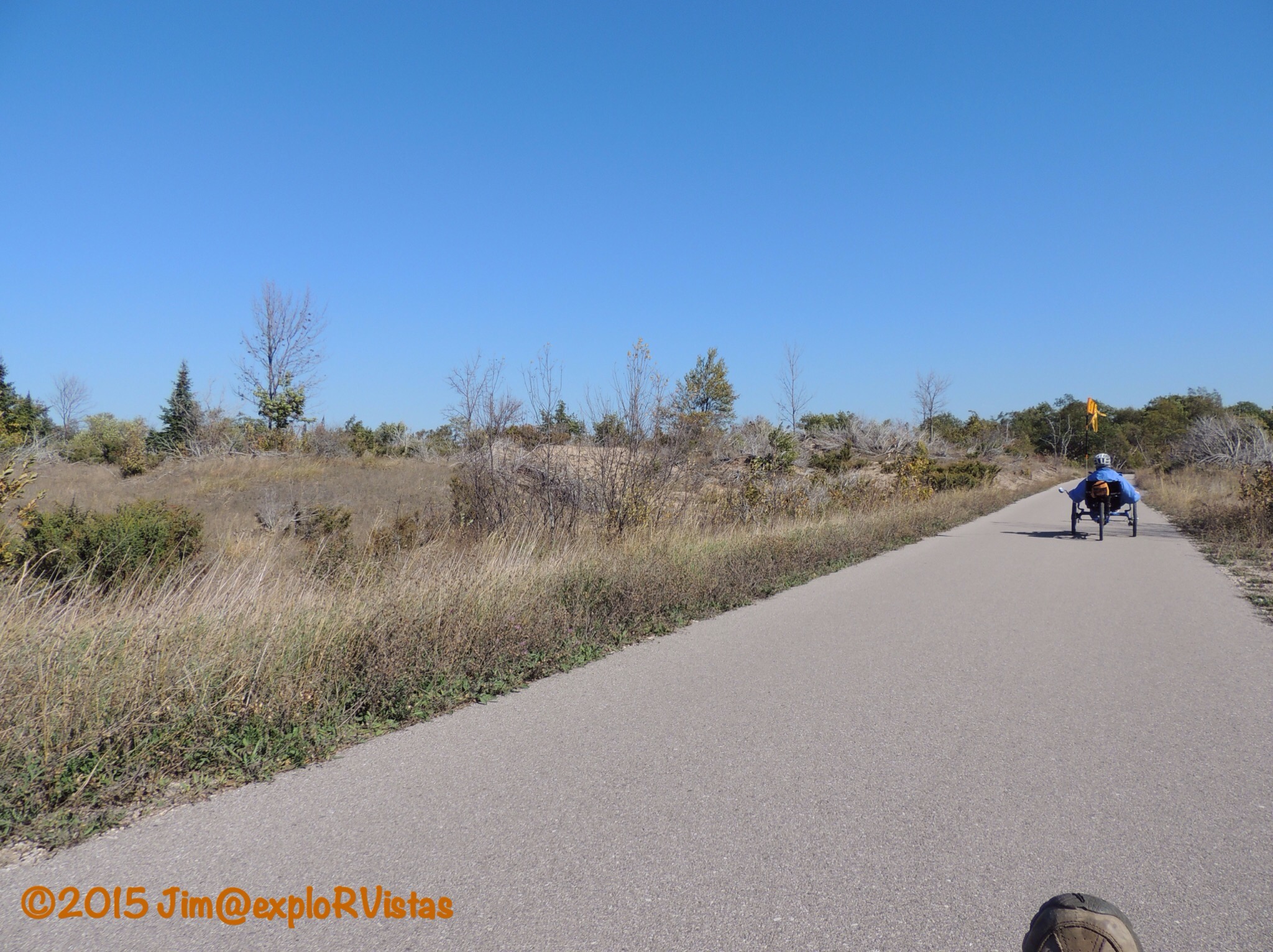
We loaded up our TerraTrikes and headed to Sleeping Bear Dunes National Lakeshore.  The portion of the Sleeping Bear Heritage Trail that we planned on triking was from the Dune Climb back east to D. H. Day Campground.  This is the portion of the trail that suffered the largest damage from the storm on August 2nd.  It’s also one of the flattest portions of the trail.  :). We pulled into the parking lot of the Dune Climb to see that we weren’t the only ones enjoying the beautiful weather!

  
Out on the trail, the fall colors were evident in a few places.  With Leelanau County being surrounded by the waters of Lake Michigan and Grand Traverse Bay, the weather is moderated by their warmer temperatures in the fall.  So while the rest of lower Michigan is at peak color, we still have a lot of green leaves here.  In fact, a lot of those green leaves are drying up and falling to the ground before changing color!

  
The trail heads east through low dunes towards historic Glen Haven.

  
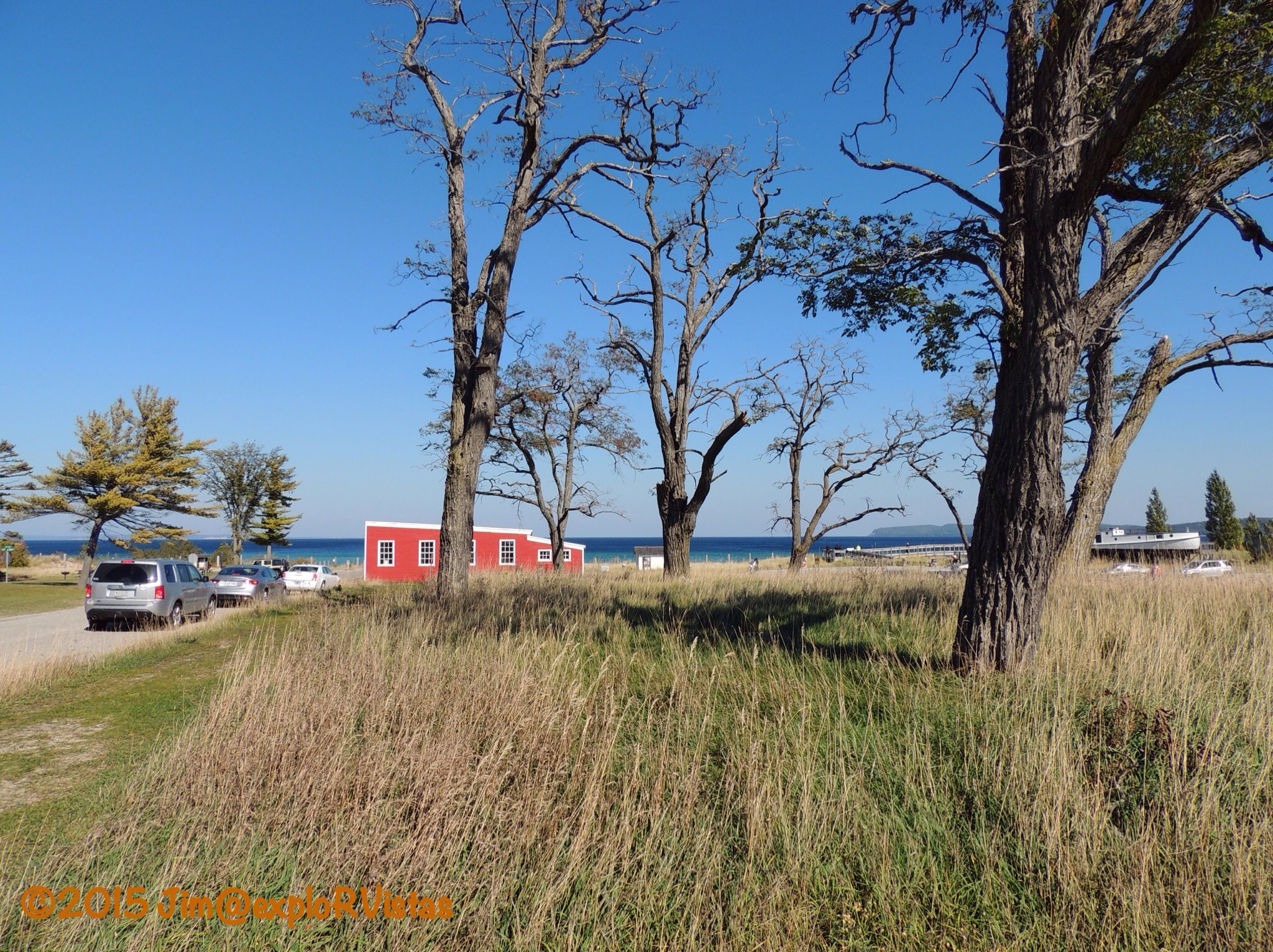
There are several restored buildings in this former lumbering and fishing town.  The red cannery building in the photo now houses a maritime museum.  There also is a beach here.

  
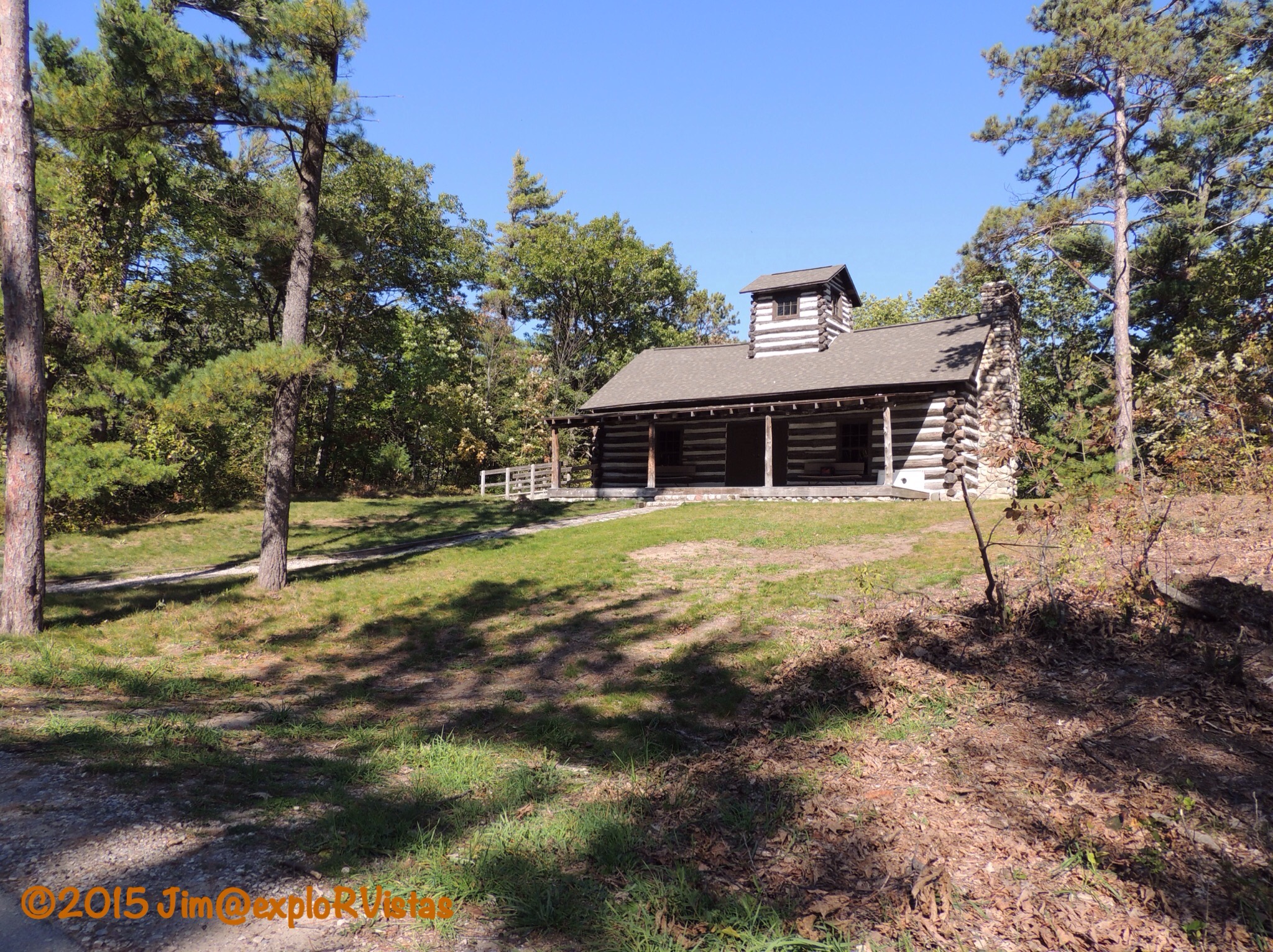
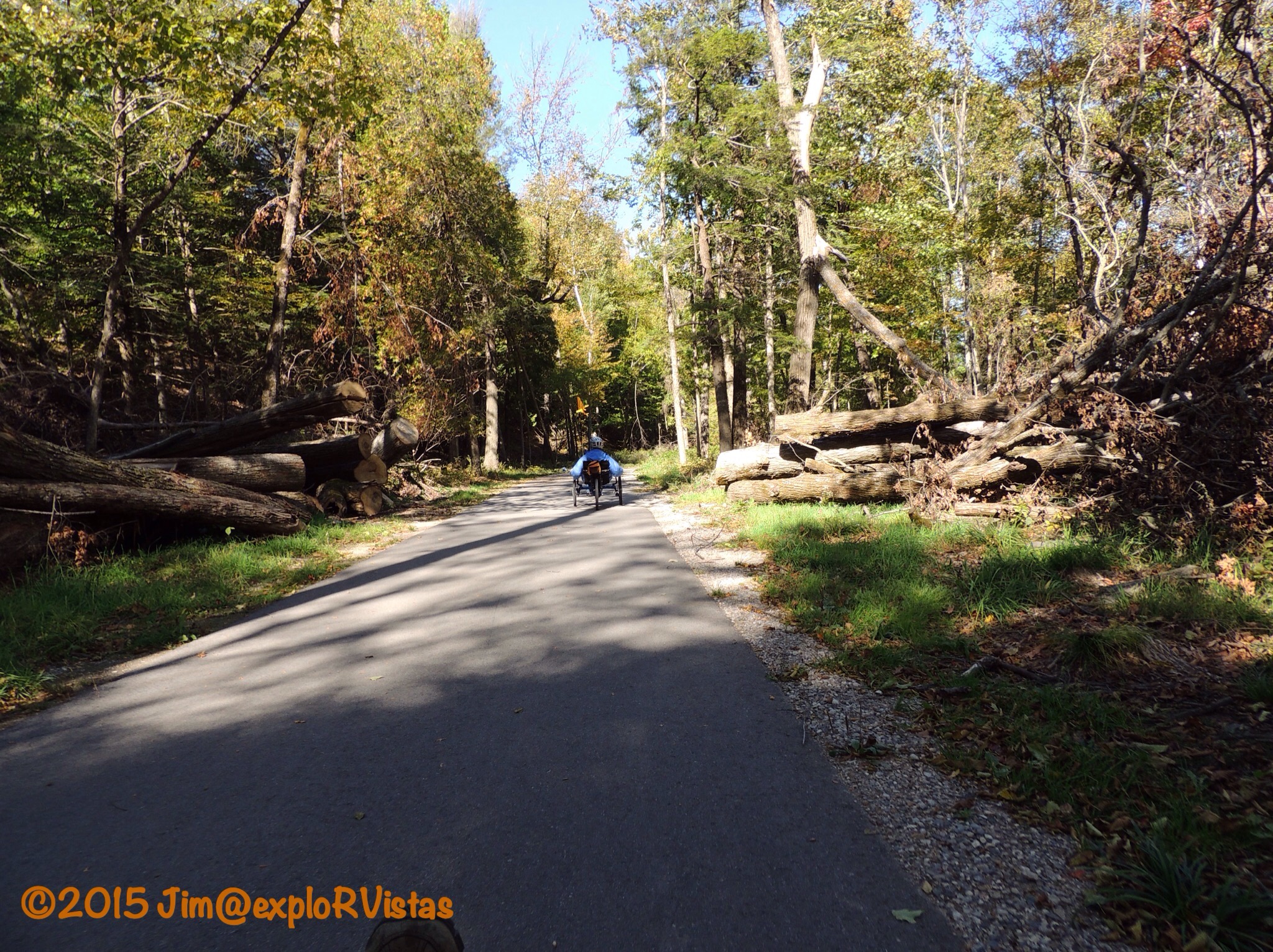
Farther to the east of Glen Haven is D. H. Day Campground.  This is one of the old log buildings back from when this was a Michigan state park.  This campground was closed for weeks following the August 2 storm, as there were hundreds of trees down.  How no one was hurt, let alone killed, is beyond belief.  The National Park Service did an amazing job of cleaning up the campground, as there isn’t much storm evidence left here.

  
That’s not the case on other portions of the trail.  Many of these fallen trees will be here for years to come.

The portion of the trail we rode wasn’t too long, so we decided to go for a hike!  Last week, Howard and Linda from RV-Dreams hiked the Empire Bluffs Trail and wrote a blog post about it.  The trail is about 45 minutes from Wild Cherry Resort, and tucked away on the south end of the village of Empire.  We’ve been coming to this area for years and never knew it existed.  Proof that you learn something new every day!

  
At 1.5 miles round trip, this was slightly longer than the Pyramid Point trail we have been doing.  

  
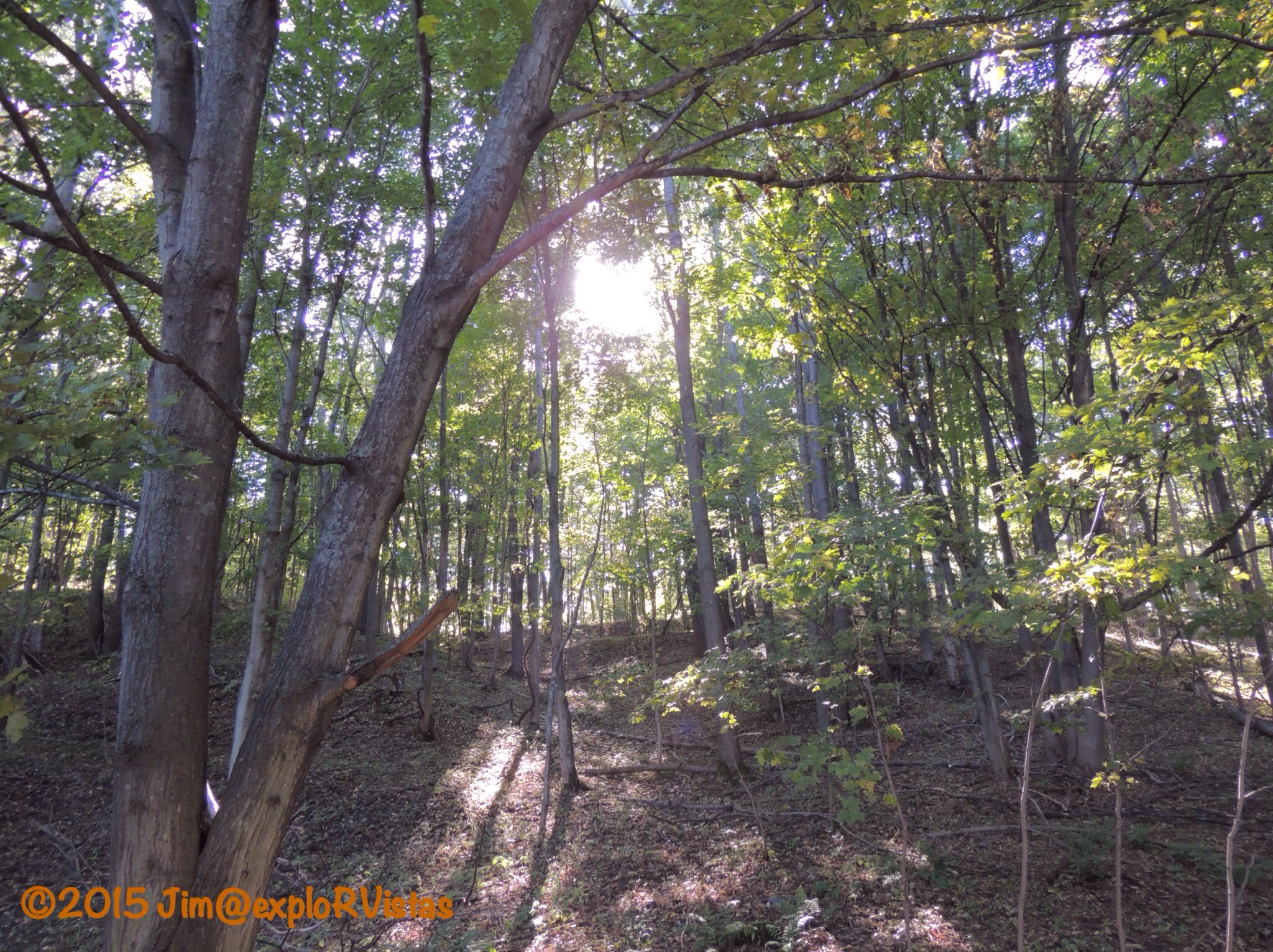
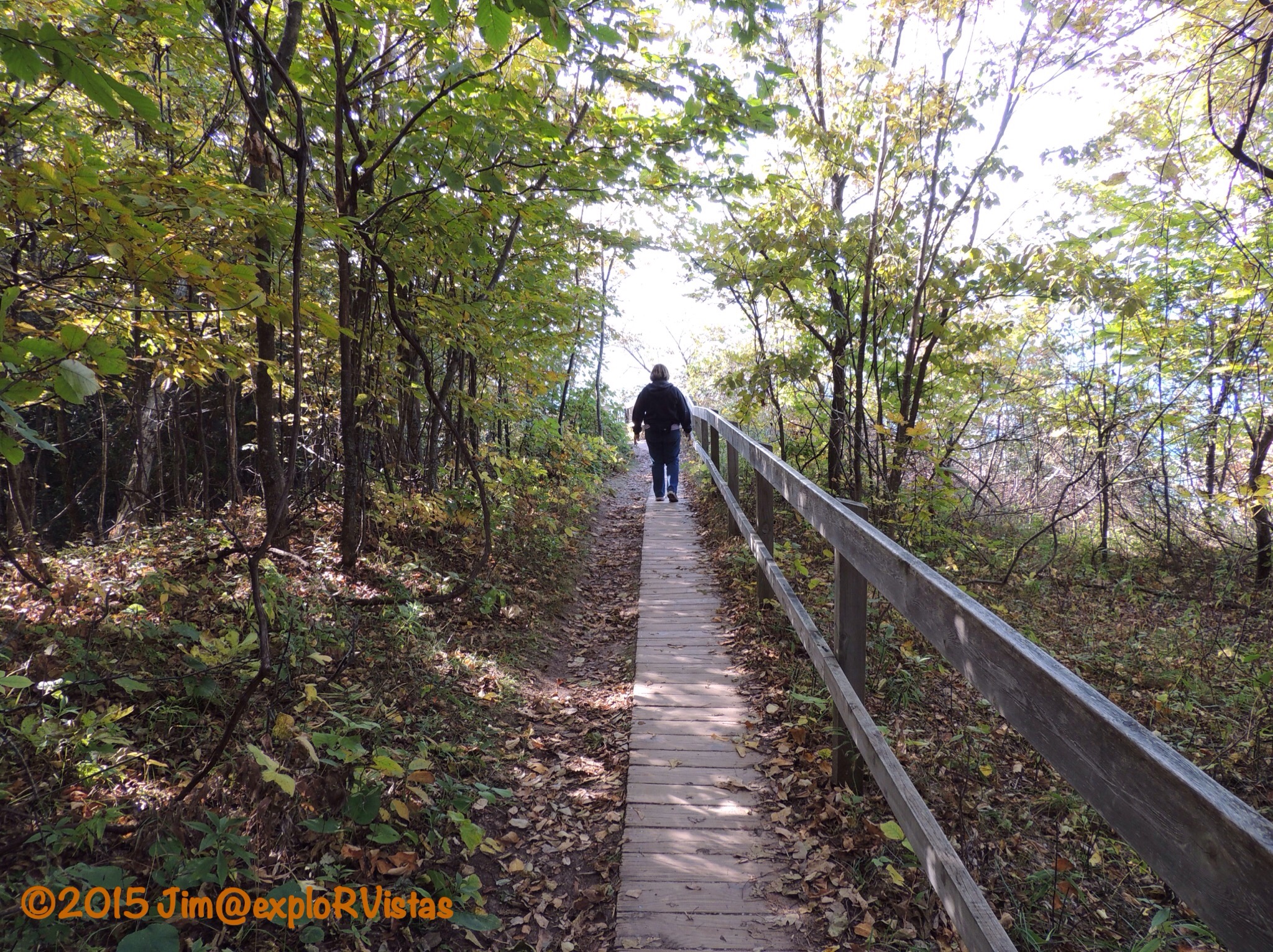
The sunlight was streaming through the trees, creating a surreal scene.

  
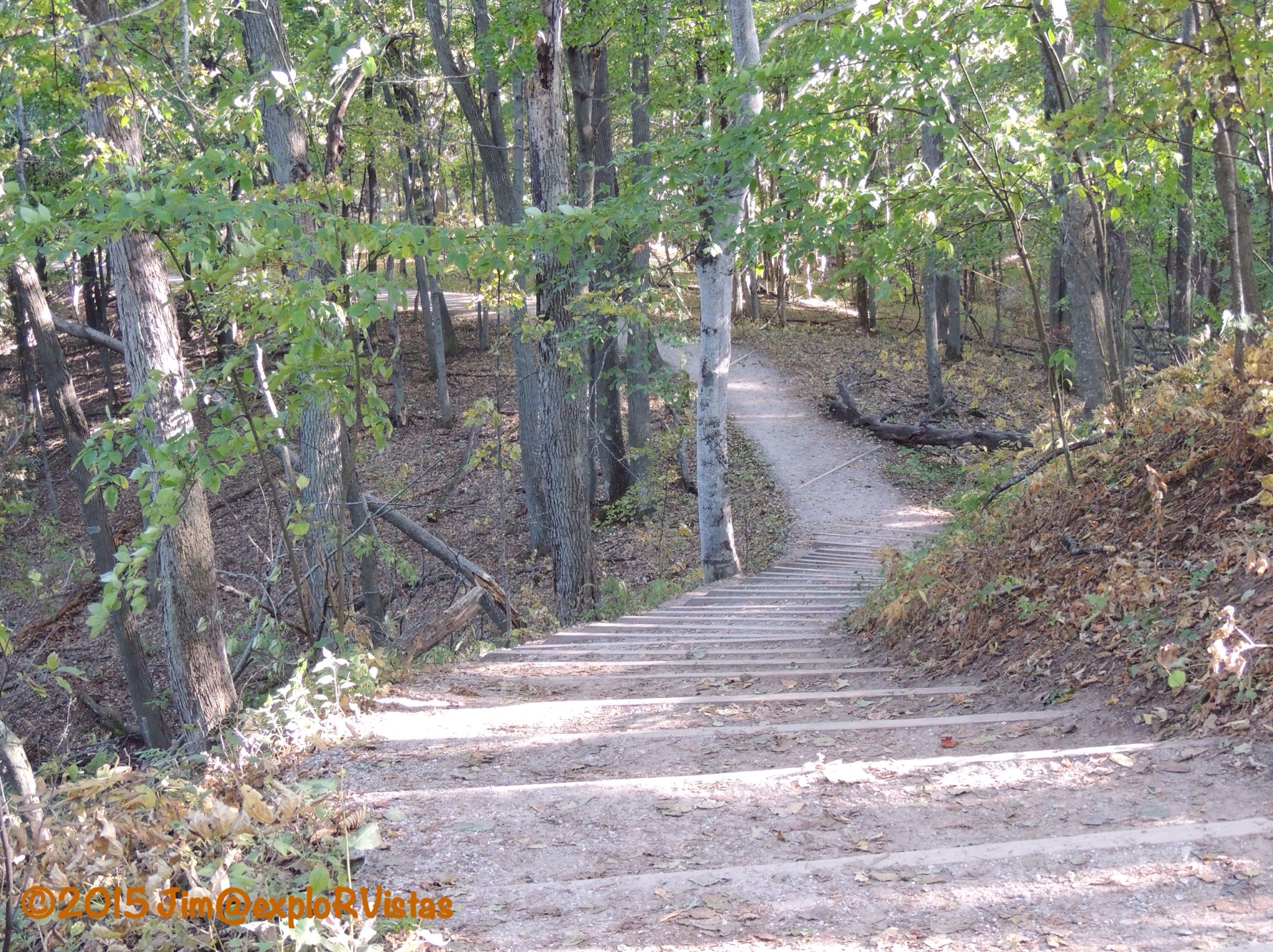
There were deep ravines and towering hills, typical of the back dunes that dot the shore of Lake Michigan in the state.

A clearing appeared to our right, and we were greeted with this view.

  
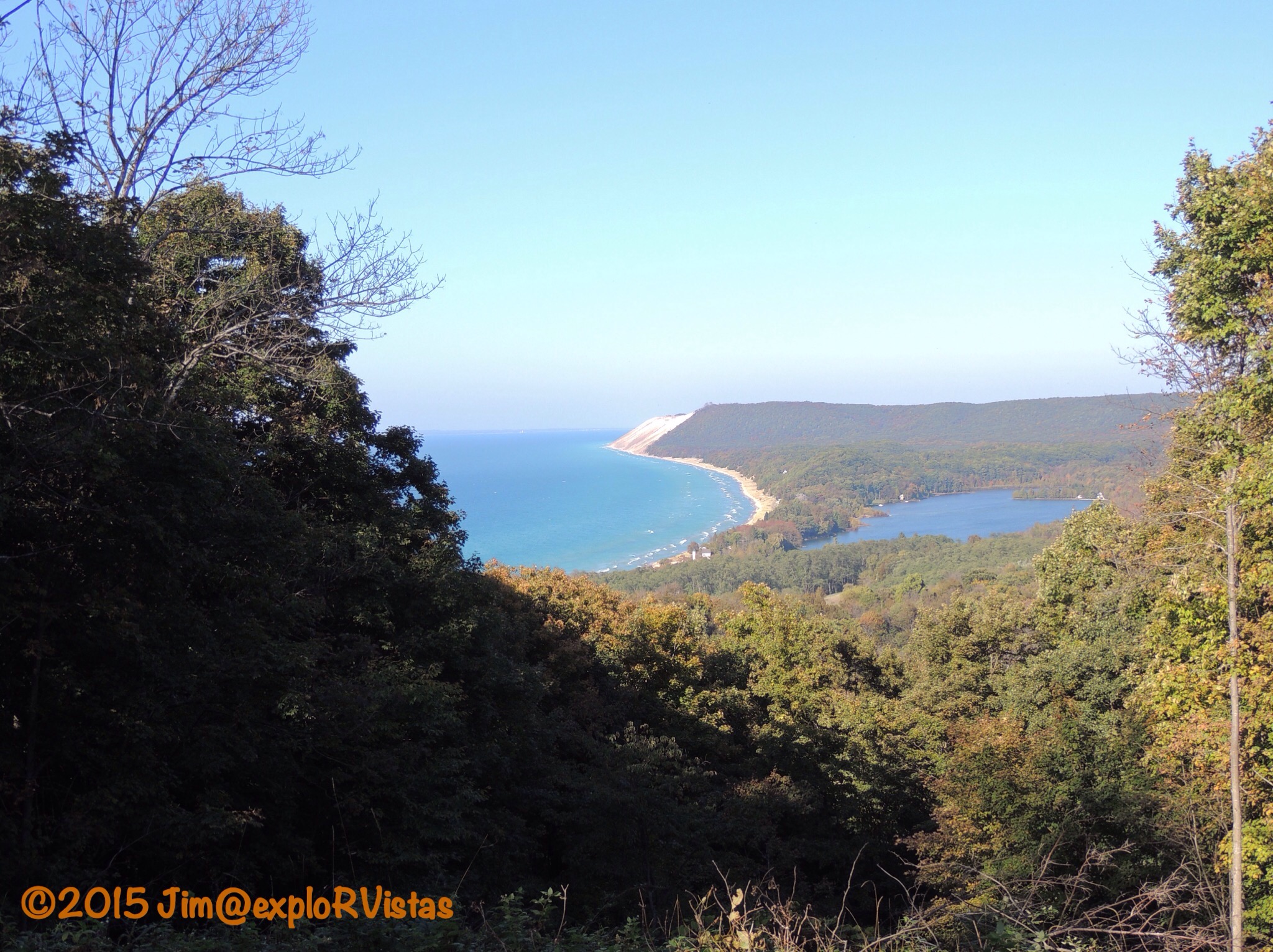
Here is Sleeping Bear Dunes in all its splendor.  Lake Michigan to the left, North Bar Lake to the right.

  
The trail continues on towards Lake Michigan, and becomes a boardwalk as it crosses onto the fragile dune above the shoreline.

  
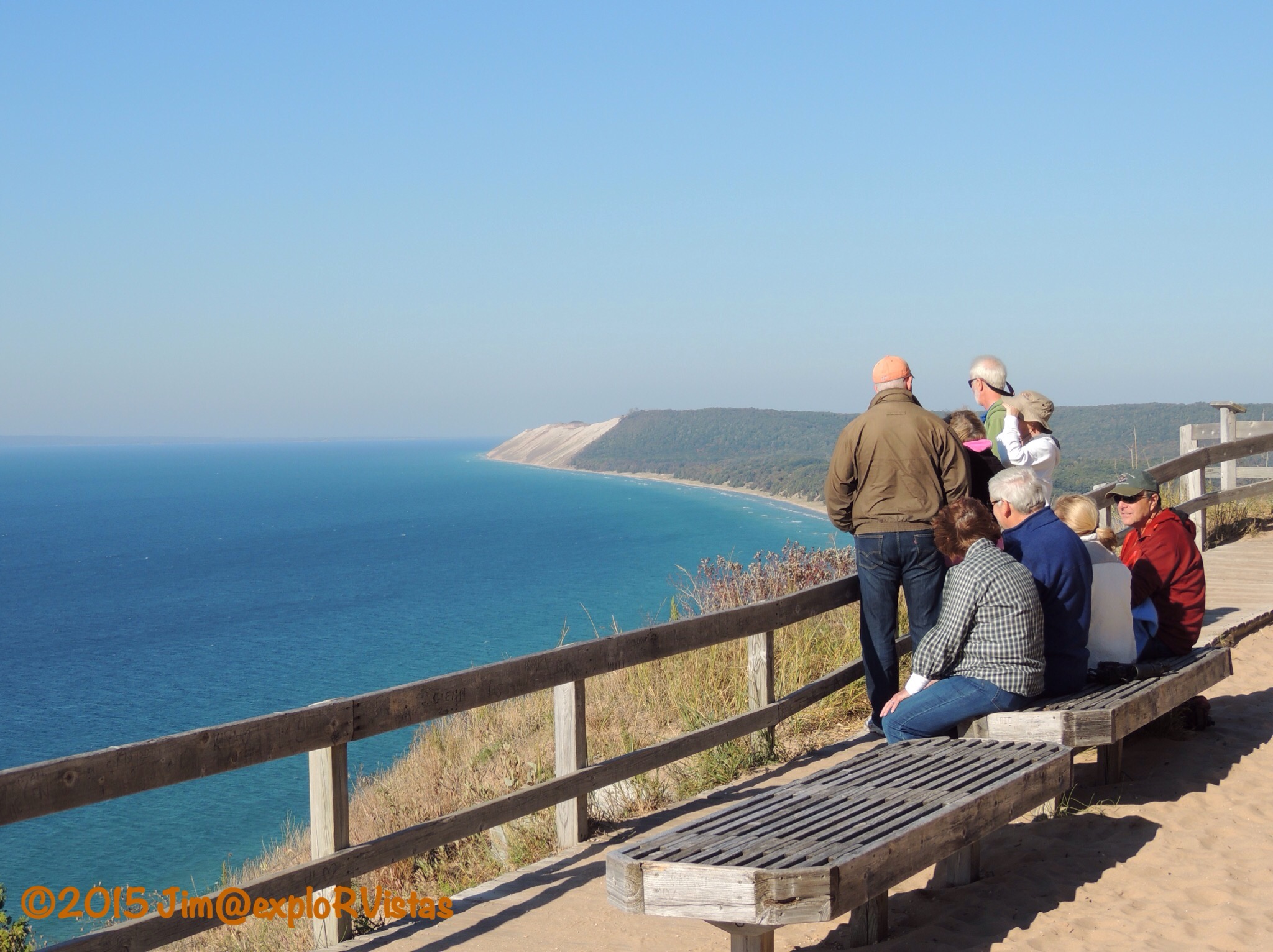
Once out on the dune, we were treated to this spectacular vista.  The large waves that are breaking on the shore looked tiny from up here.  To the left, out over the lake, South Manitou Island can be seen in the distance.

  
There was a steady stream of people coming out to enjoy the view.

  
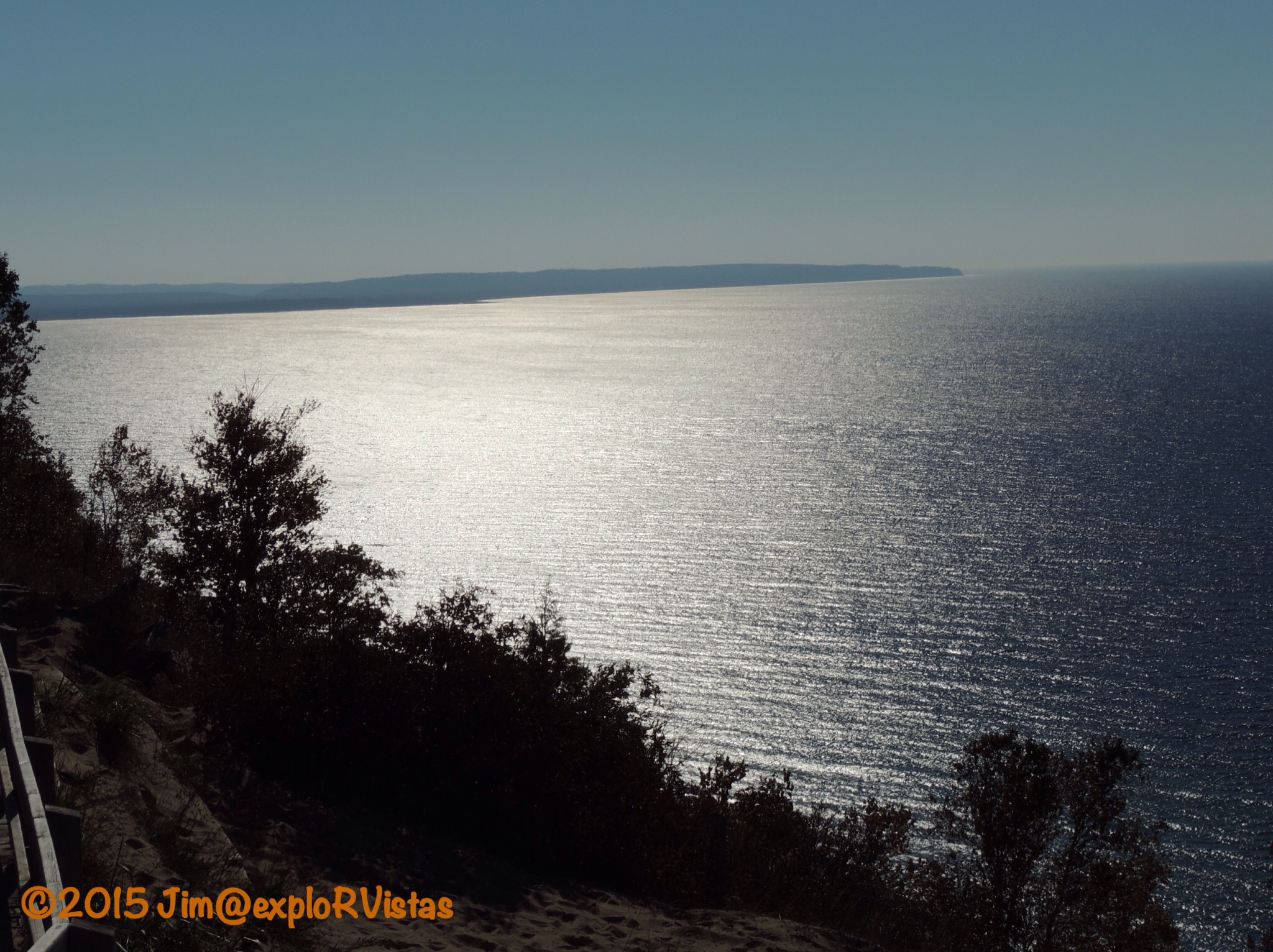
To the south, across the shimmering water, is Point Betsie.

  
After soaking in the view for awhile, we headed back down the trail.

  
Near the parking lot, I took a photo of these trees.  We aren’t quite sure if they are going to end up being colorful this next week, but we are hoping they are.  A lot of the maples closer to our campground are turning quickly, and they are beautiful…so here’s hoping for some pretty colors!

On the way back home, we stopped at Cherry Republic in Glen Arbor and got Diana a piece of cherry pie.  I opted for a cherry ginger ale.  Yum on both counts!

So today was about as good as we could ever hope a day could be.  We are certainly glad we made the decision to come back north for October!

Return to Leelanau

   
On October 1, we decided to head back to Leelanau County and Wild Cherry Resort.  Diana’s mom has stabilized from her recent pneumonia, so we felt safe in finishing out the season.  Wild Cherry closes October 31.

    
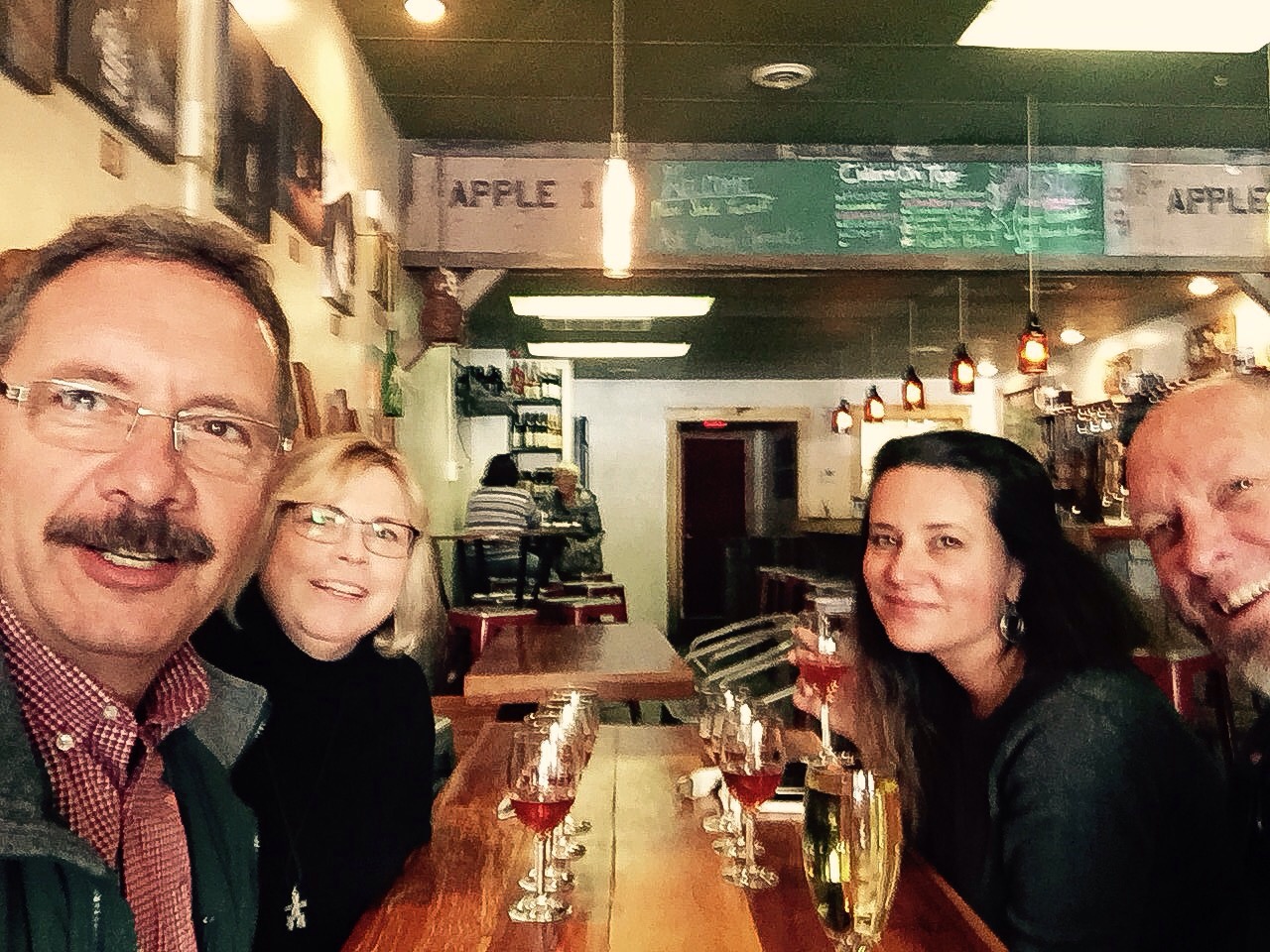
On Friday, we met Diana’s cousin Reed and his wife Emily in Traverse City for lunch at Northern Natural Cider House.  The two of them had come up from Kentucky to close up the family homestead in Luzerne, MI.  When they arrived early Thursday, they received a huge shock, as Ma Deeter’s had just burned to the ground.

  
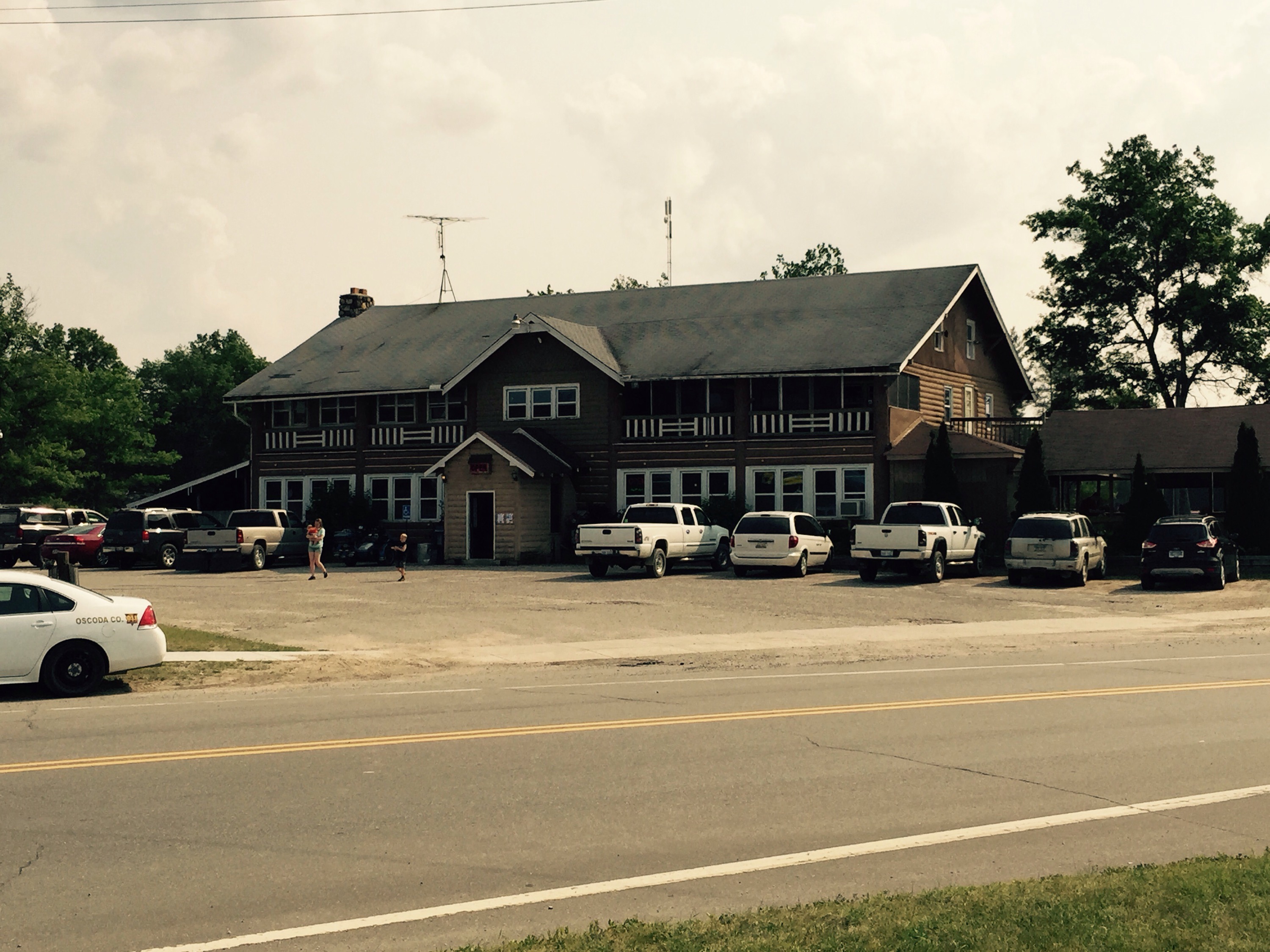
A classic example of an ‘up north’ bar, Deeter’s was known far and wide…probably more so than the town it resided in.  It was thought to have been the largest log structure east of the Mississippi. The building had been there since 1940, and the building before it (also destroyed by fire) had been there since 1920.

   
Emily posted this photo on Facebook that morning of their iconic sign and the smoldering ruins.  So sad.

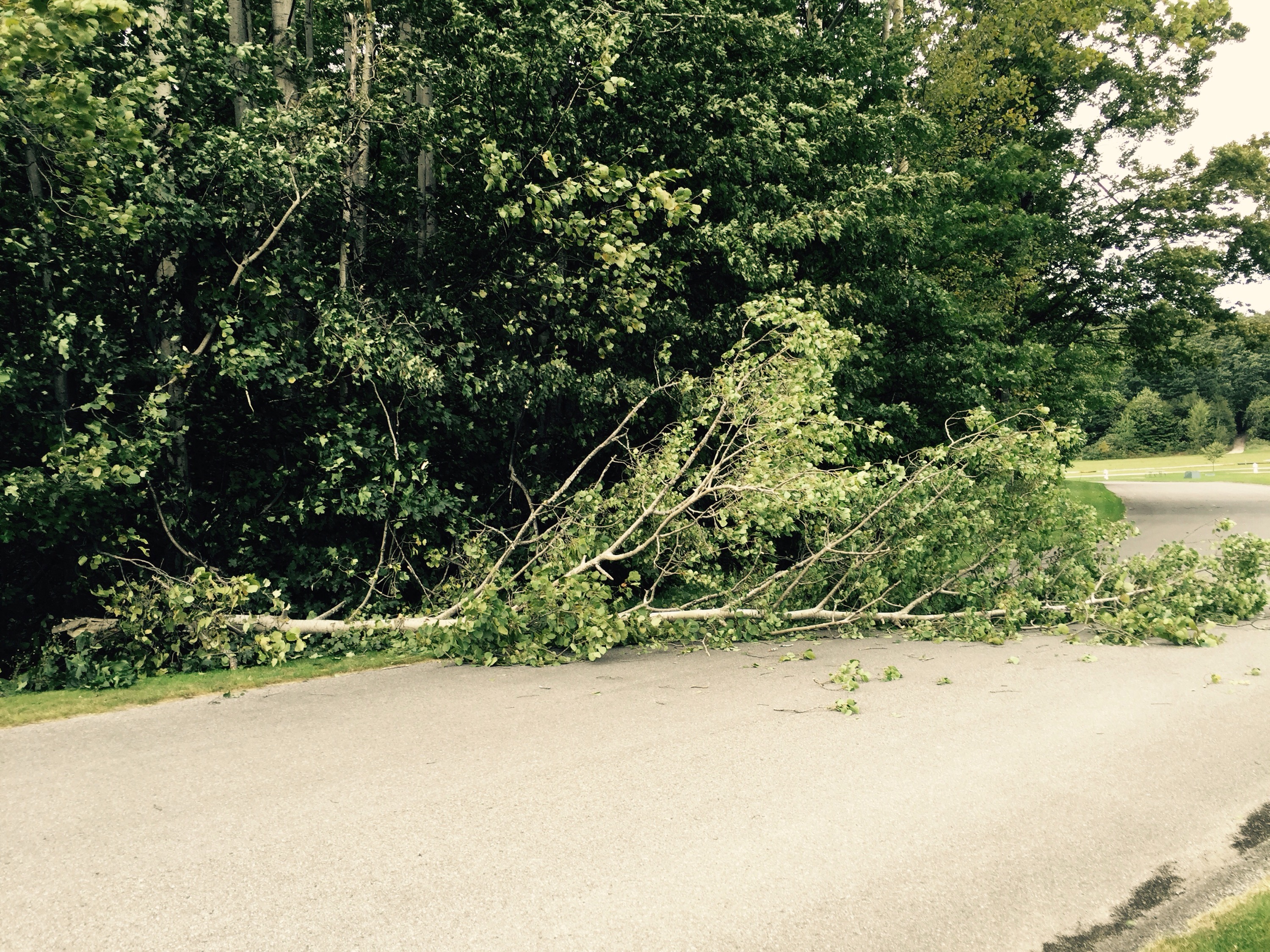
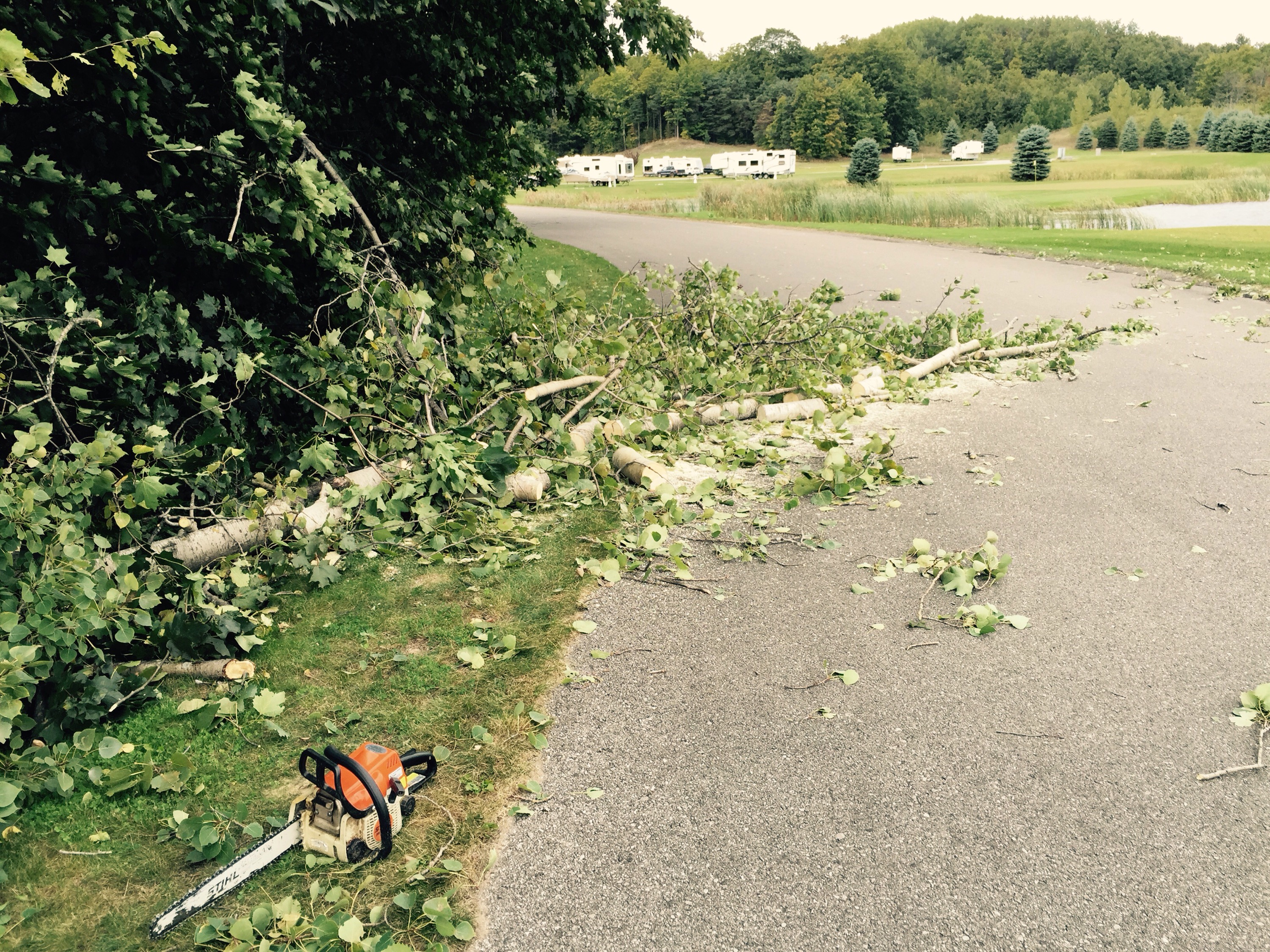
On Saturday, we worked at Wild Cherry.  I grabbed the chainsaw and decided to take down a few dead ash trees, as they were near the roadway.  I was concerned that they could fall on someone.  As I went back to the barn, I came upon this:

 
This was a very much alive top half of an Aspen tree that snapped off in the wind.  Granted, it was very windy on Saturday, but I have to believe that this tree was weakend in the August 2nd storm.

  
It had snapped off a good 40 feet up the trunk.  The pieces in the roadway were fairly thick, so I’m glad no one was under it when it fell!

On Saturday night, we went out to eat with Howard and Linda from RV-Dreams.  

  
They are in town conducting their fall educational rally at Lake Leelanau RV Park.  While we always knew we were most likely going to fulltime RV when we retired, these two were the ones that provided the ‘nudge’ when we attended a couple of their seminars at an RV show in Grand Rapids in January, 2014.  We attended their rally last fall in Goshen, Indiana, and we were very excited to get the chance to see them again.  They have a six week trip to Costa Rica planned (without their rig), so it was fun to hear about the preparations they were making for that adventure.  They have been fulltime RVing since 2005, and they are extremely knowledgable about what it takes to live the lifestyle.  We highly recommend attending one of their rallies, even if you are just an RV owner and aren’t going to full time in it.  They provide a plethora of information on anything conceivable to do with an RV and the lifestyle.

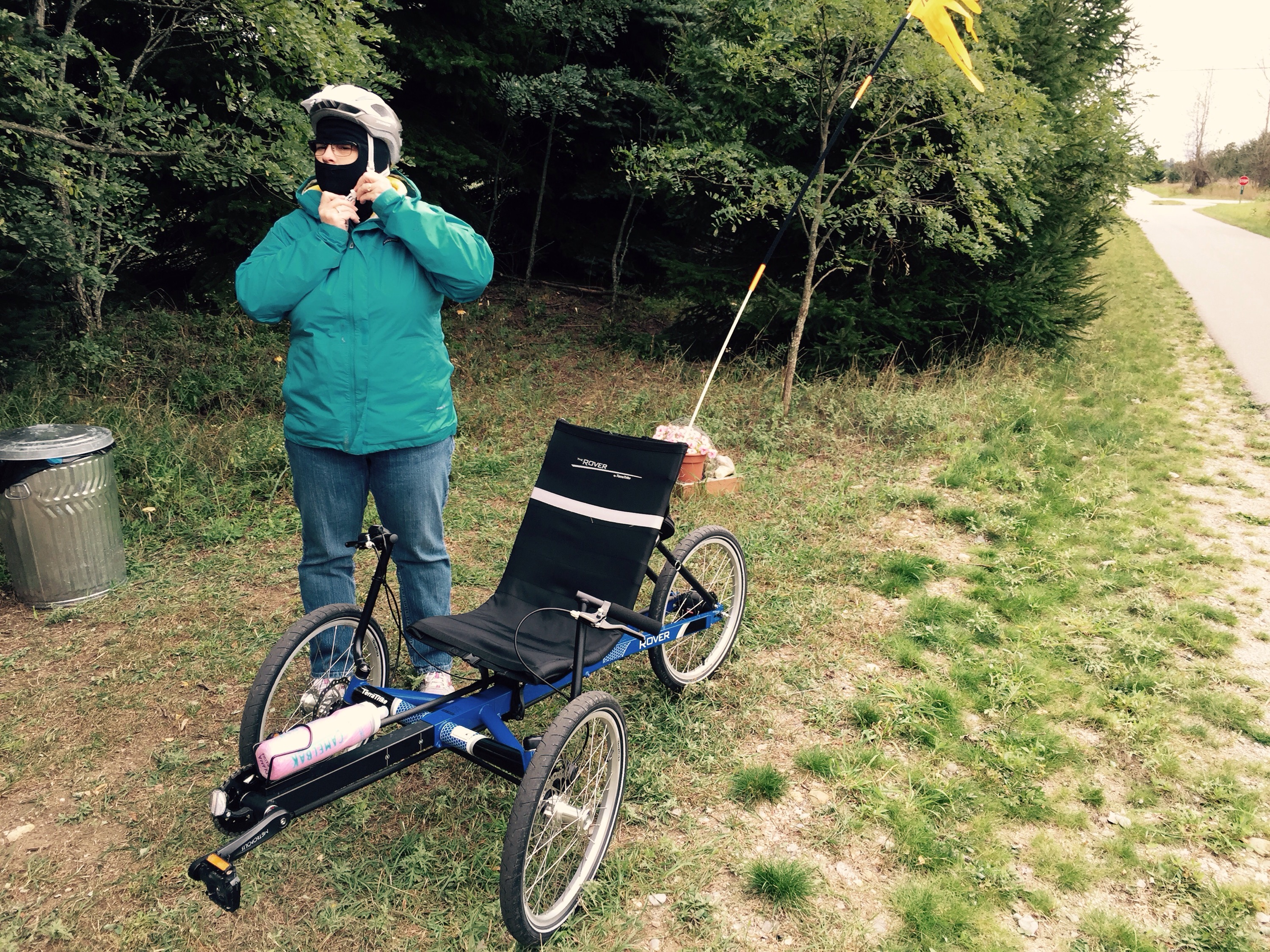
On Sunday, we went to Suttons Bay Bikes and rented a TerraTrike for Diana to try out. We were dressed for a chilly ride, as the temperatures were in the low 50’s. We were just fine with a few layers.

  
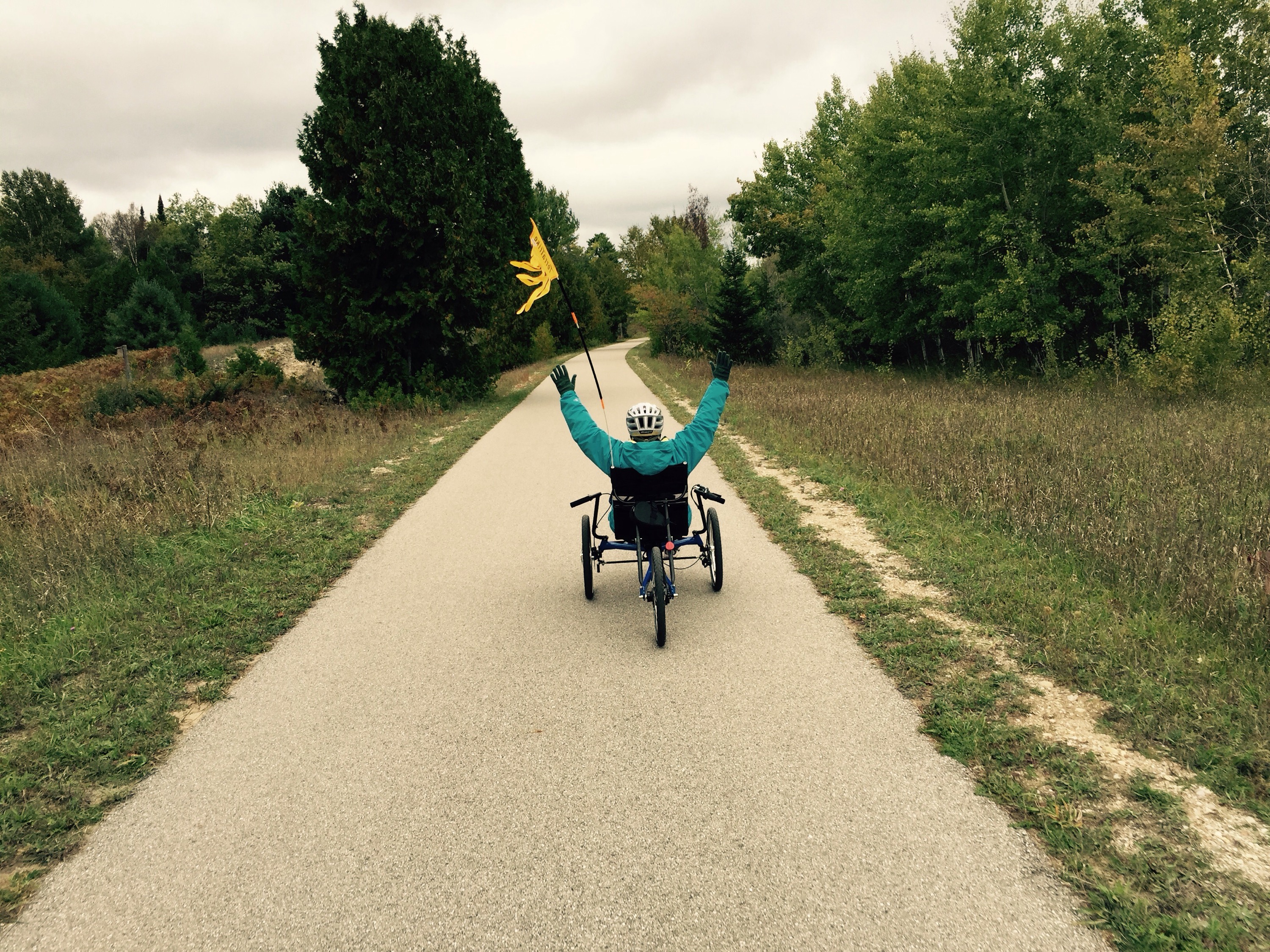
We rode 7 miles on the 17 mile long Leelanau Trail.  She liked it so much, she went back to the bike shop and bought it!

  
We then rode the trail 9 more miles.  :). She is a very happy camper (biker)!

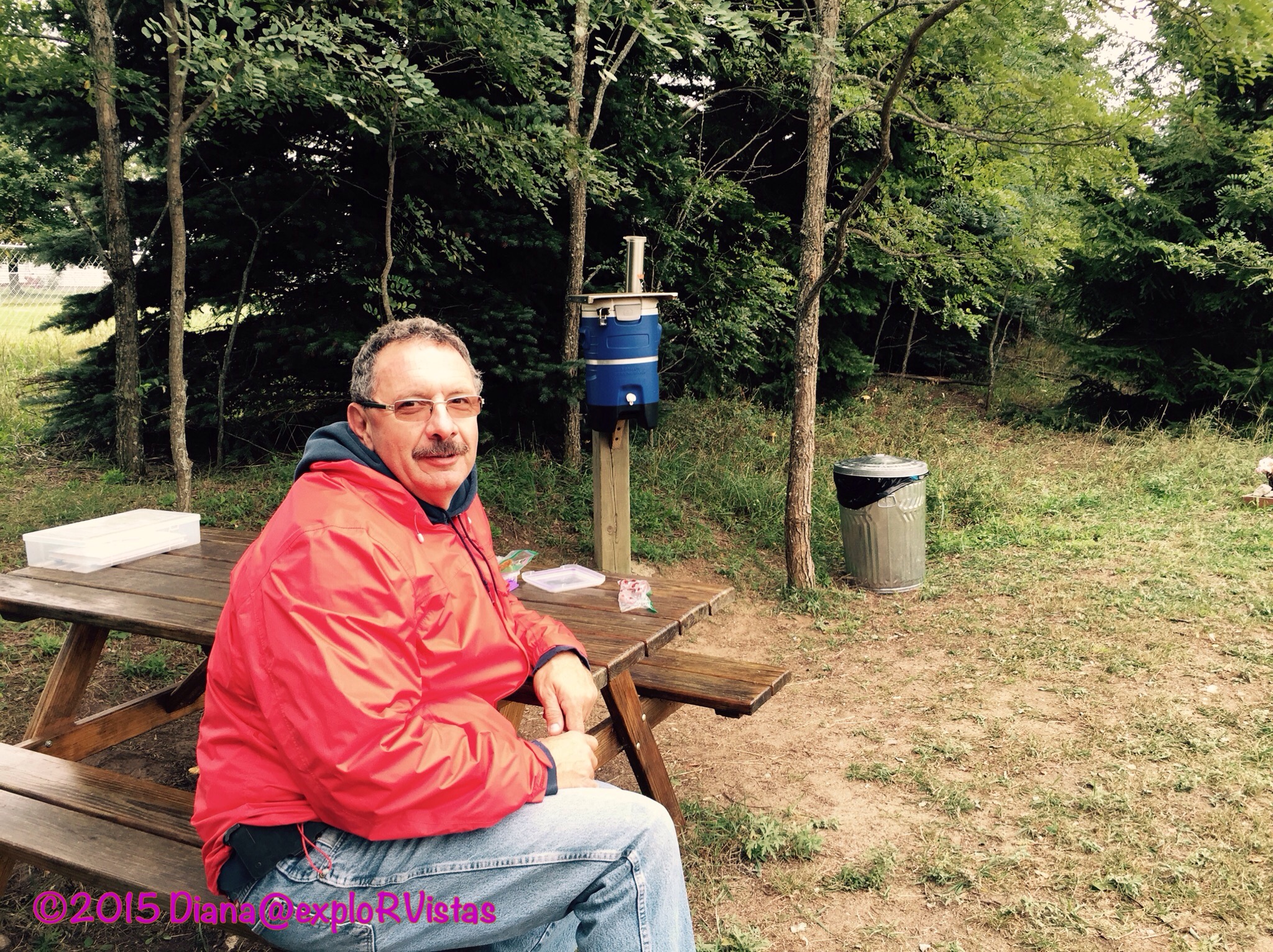
On our first ride, we saw this picnic table.

  
We stopped and had lunch there.  They had water, a trash can, a log book, and a pot of flowers…which was a nice touch.  I believe it was maintained by the people who lived adjacent to it.  The Leelanau Trail is a rail trail between Suttons Bay and Traverse City, and is part of the TART trail system that covers the Traverse Bay Area.

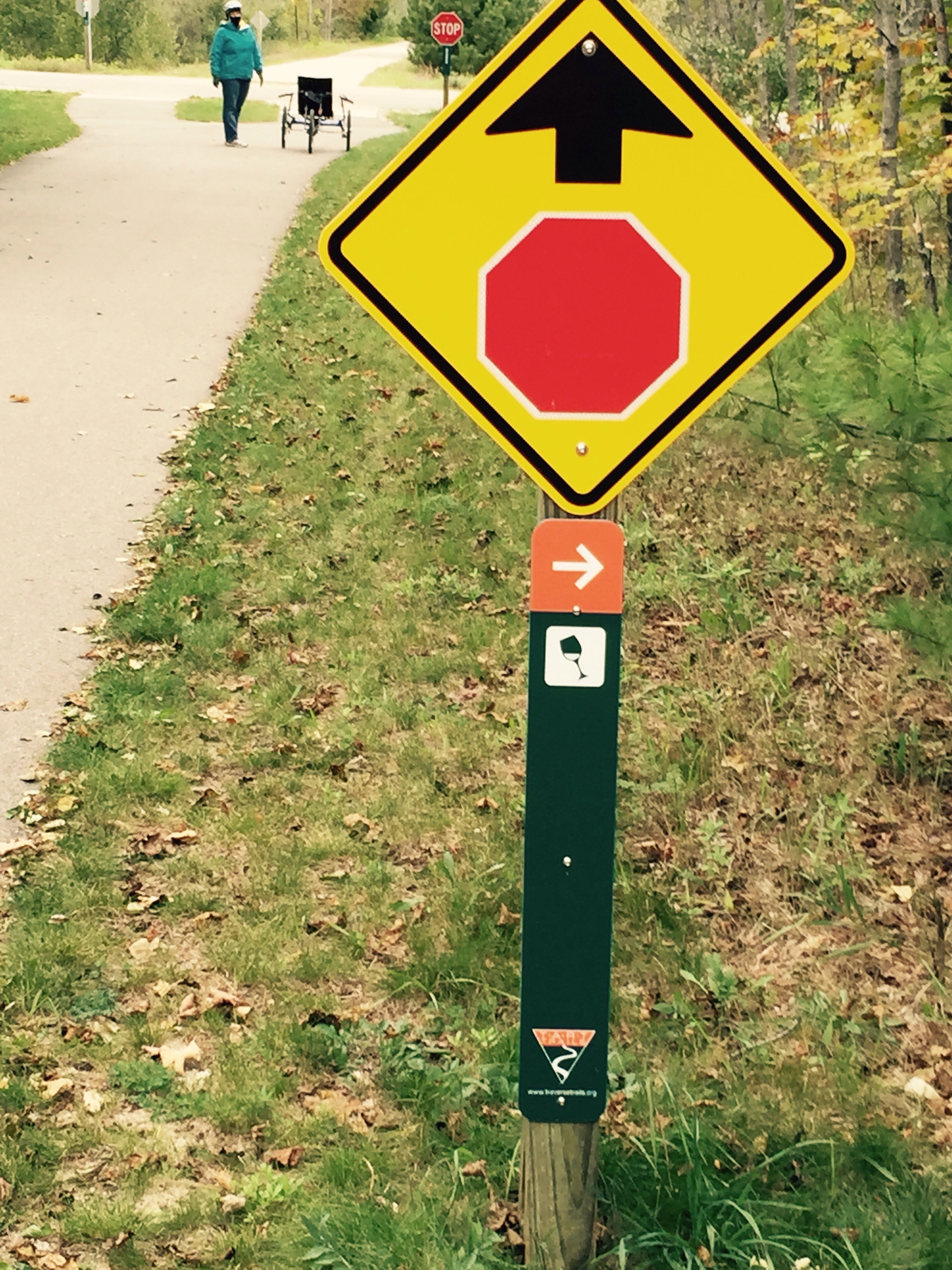
When we got to Revold Road, we were just west of Black Star Farms and we saw this sign.

  
You know you are in Leelanau County when the rest stops are wineries instead of ice cream shops.  🙂

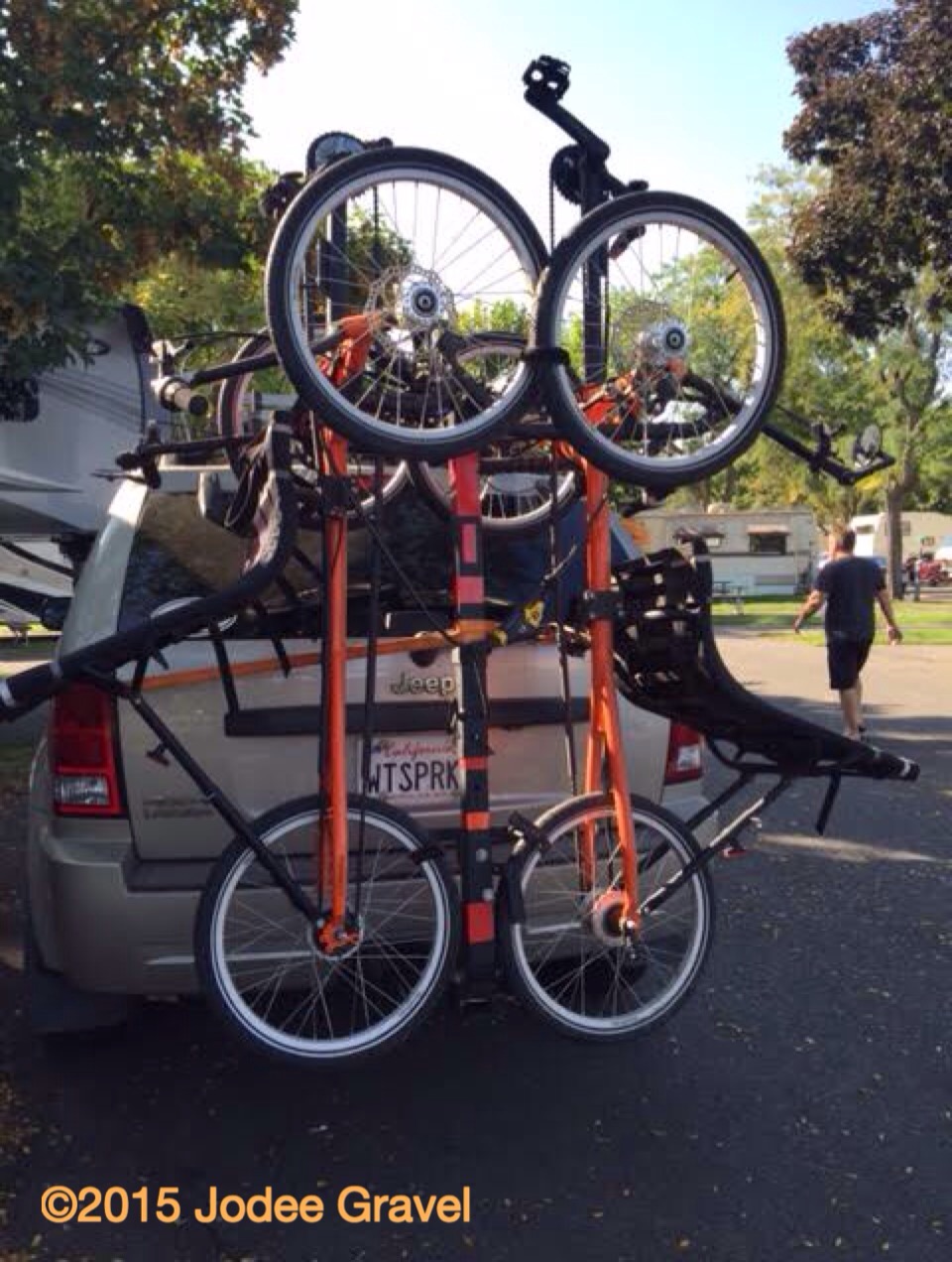
Diana had been thinking (dreaming, actually) about getting a TerraTrike for quite awhile.  One thing I was concerned about was how we would haul it.  Fellow full timers, Bill and Jodee from On The Road Abode have two TerraTrikes, and Jodee was kind enough to send me photos of their setup.

   
If we get a second trike, this would work well for us.  Great rack from Hitch Rider.  Thanks, Jodee!
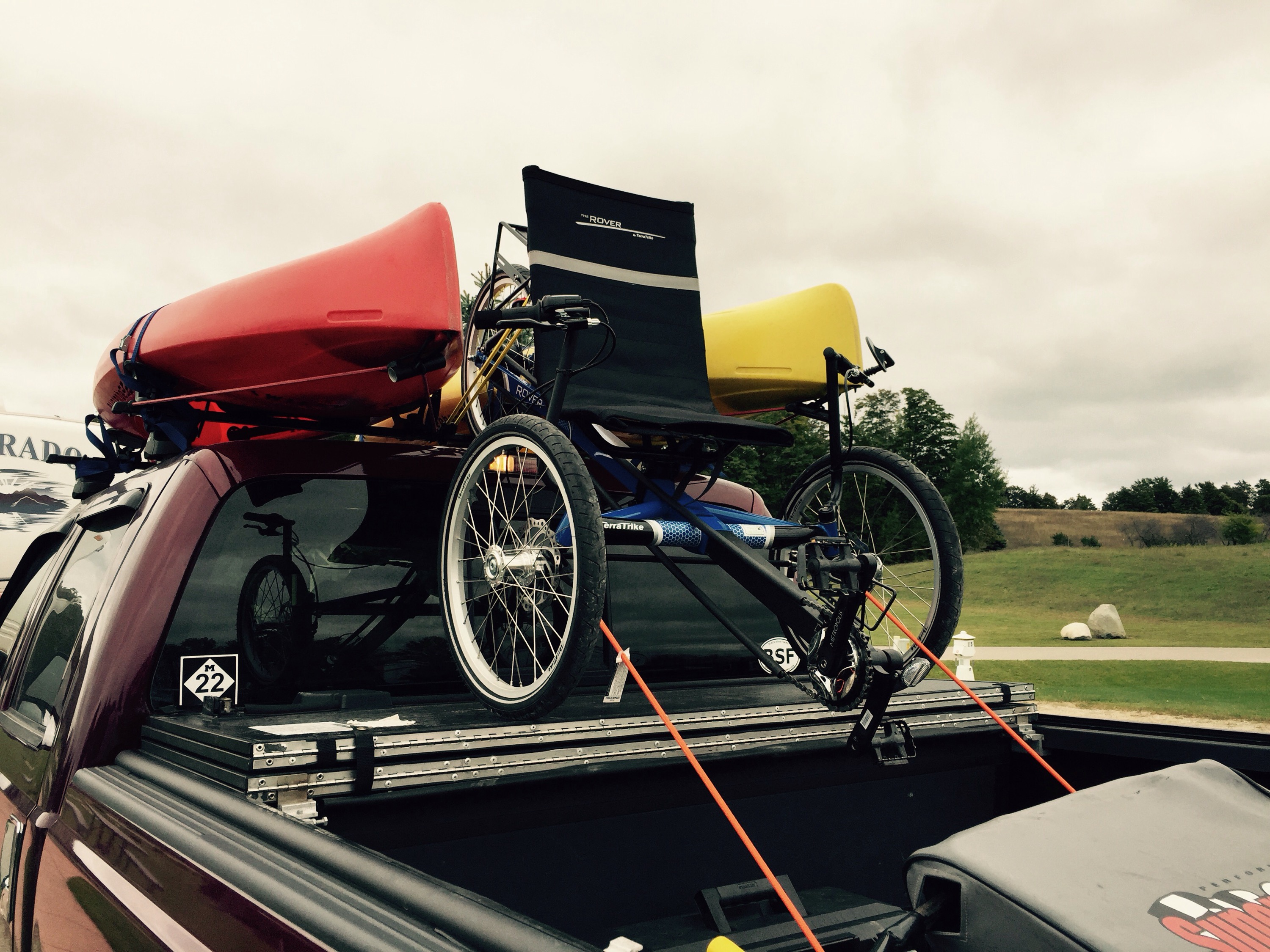
When we brought Diana’s trike home, I came up with this:

  
The disc brakes lock, so there isn’t any movement.  It won’t interfere with the trailer in this position. I’m going to get nylon straps to secure it, instead of the bungees. The seat fabric easily detaches for longer trips.  My bike will continue to ride on our Yakima receiver mounted rack, which can be mounted on the trailer when we are moving, or on the truck when we are stationary at a campground.
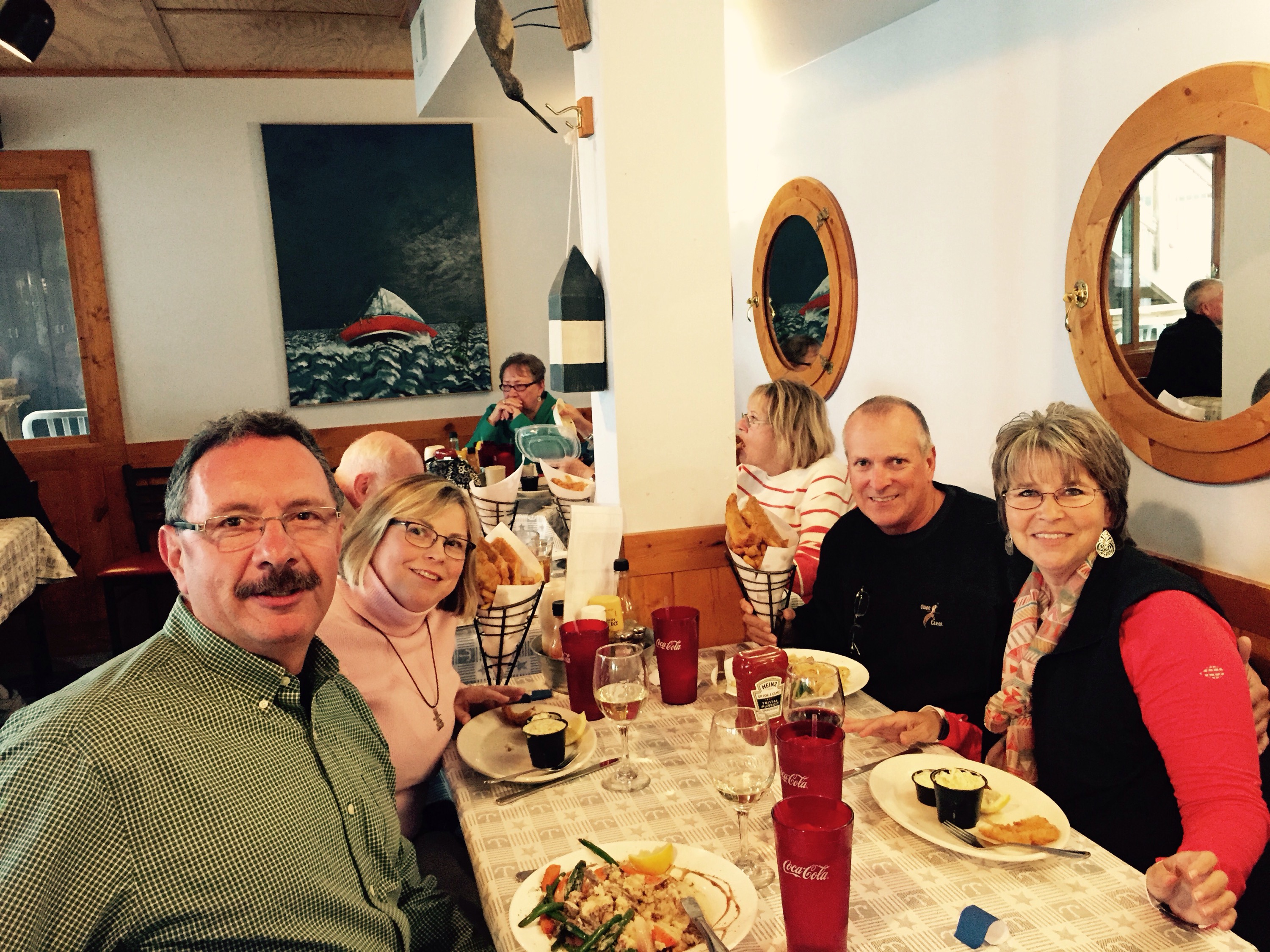
So as you can see, we are excited to be able to spend October on the Leelanau Peninsula.  Amazingly, the leaves have yet to change color, so we are hoping for some beautiful vistas fairly soon!  Stay tuned!